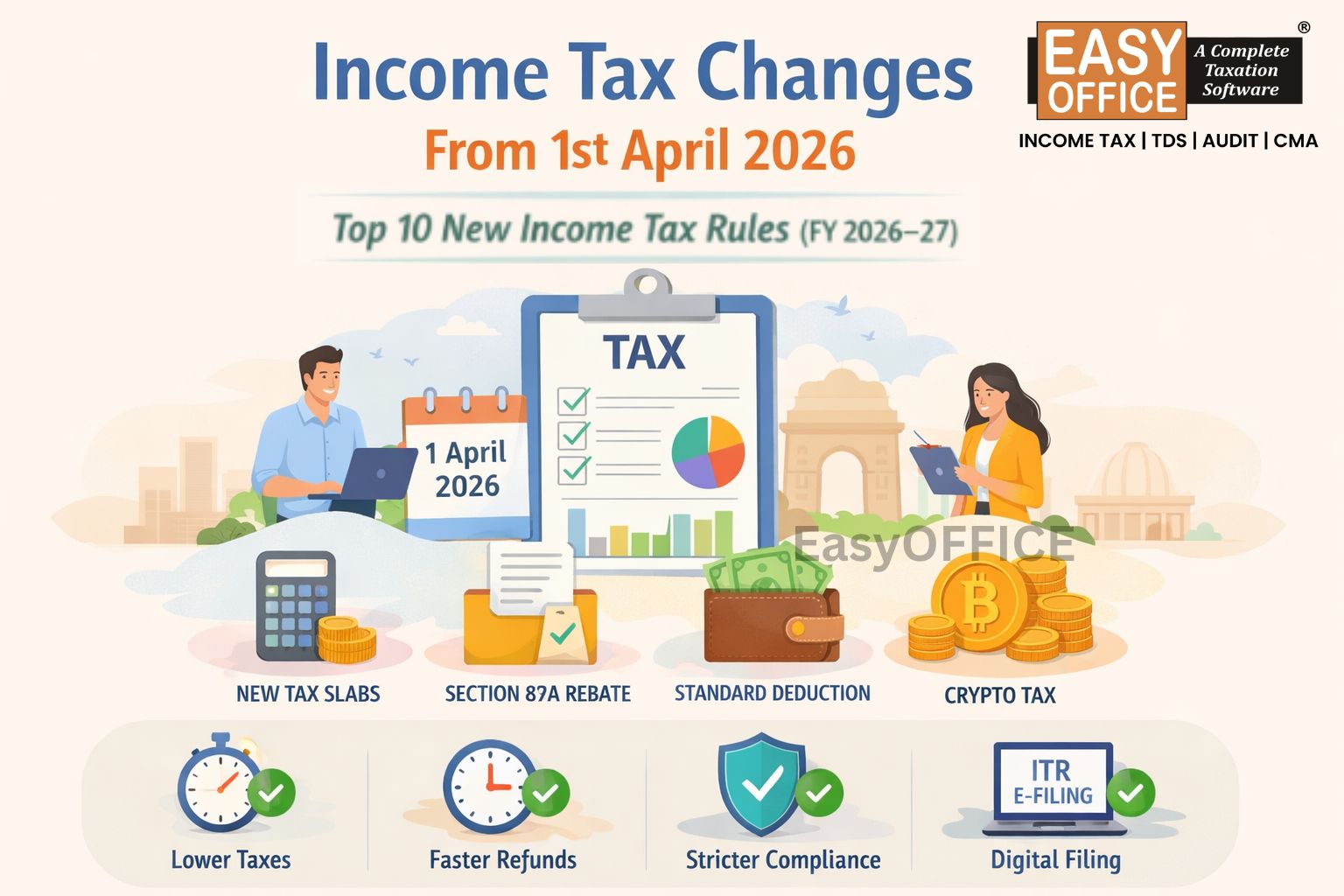
The selection between the two tax systems is one of the most crucial financial decisions that need to be taken by salaried workers, independent professionals in India. This can enable you to save taxes and make optimal utilization of your savings.
For the tax year 2026-27, the new tax regime under Section 202 of the Income-tax Act, 2025 will remain the default tax system with modified tax slabs and few deductions. The old tax regime can be preferred in case of the deductions under Section 80C, premium of health insurance, and HRA.
So which tax regime is better in 2026-27, the old or the new? It depends on your own income, eligible deductions, and financial goals. Using both through income tax software for CA shows the real difference in minutes.
What Is the Difference Between the Old and New Tax Regimes?
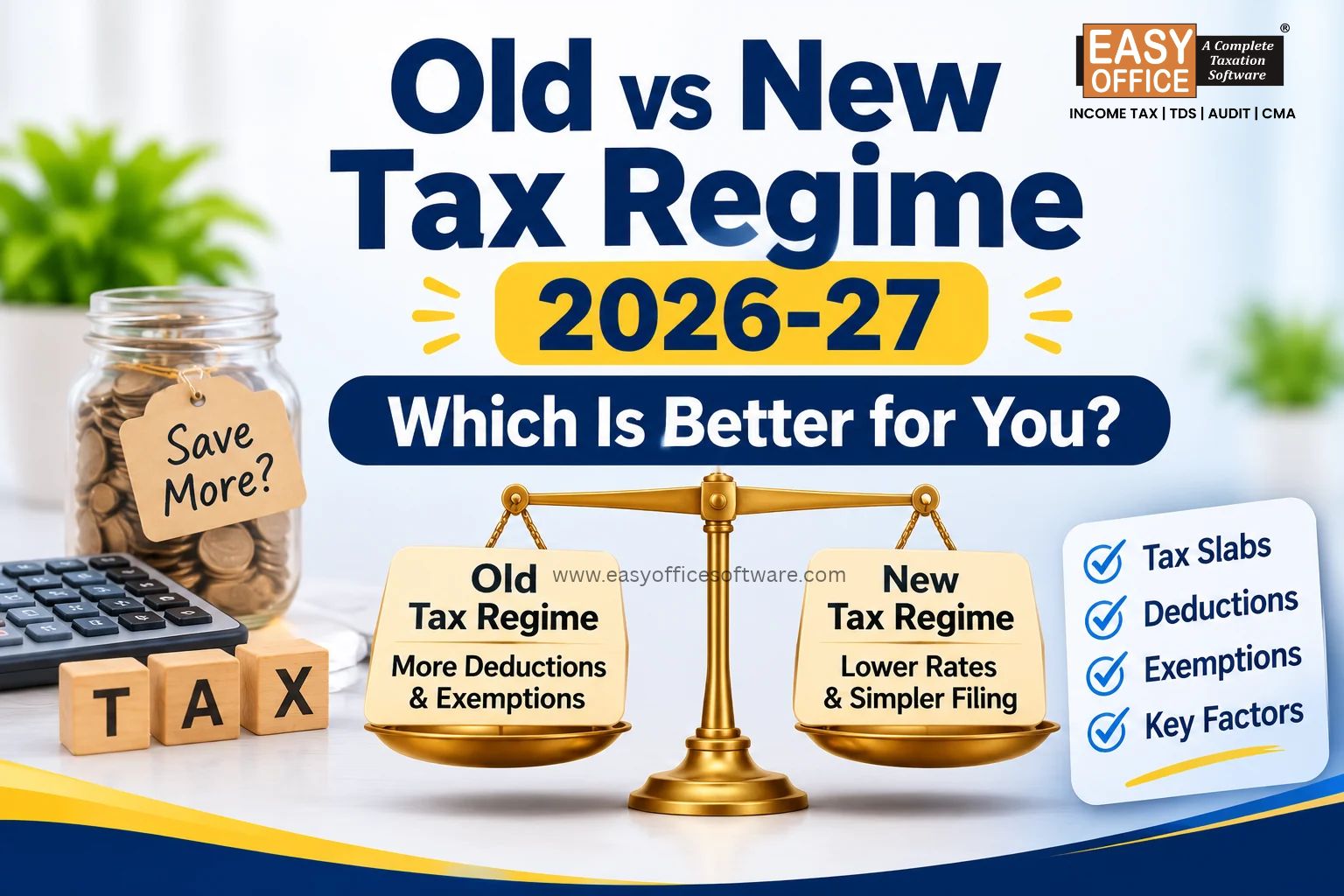
The old regime lets you claim many deductions and exemptions, but its rates climb faster. The new regime has lower rates and a higher starting point, but you give up most of those deductions.
| Feature | Old Regime | New Regime |
| Tax rates | Higher | Lower |
| Basic exemption | ₹2.5 lakh | ₹4 lakh |
| Section 80C | Available | Not available |
| HRA exemption | Available | Not available |
| Section 80D | Available | Not available |
| Standard deduction | ₹50,000 | ₹75,000 |
| Default option | No | Yes |
Most of these benefits come with conditions, so check the rules for your own case before filing.
What Are the Income Tax Slabs for TY 2026–27?
Tax in India is progressive. Each slice of your income is taxed at its own rate, not the whole amount at one rate.
New Tax Regime - Tax Year 2026-27.
| Taxable Income | Rate |
| Up to ₹4 lakh | Nil |
| ₹4-8 lakh | 5% |
| ₹8-12 lakh | 10% |
| ₹12-16 lakh | 15% |
| ₹16-20 lakh | 20% |
| ₹20–24 lakh | 25% |
| Above ₹24 lakh | 30% |
Eligible resident individuals also get the Section 156 rebate. As things stand, taxable income up to ₹12 lakh ends up with nil tax. For a salaried person, the ₹75,000 standard deduction takes that to roughly ₹12.75 lakh of salary. Confirm the final figures on the Income Tax Department website before you file.
Old Tax Regime - Resident Individuals Below 60 Years.
| Taxable Income | Rate |
| Up to ₹2.5 lakh | Nil |
| ₹2.5-5 lakh | 5% |
| ₹5-10 lakh | 20% |
| Above ₹10 lakh | 30% |
Under the old tax regime, resident individuals aged 60 years or above but below 80 years have a basic exemption limit of ₹3 lakh. Resident super senior citizens aged 80 years or above have a basic exemption limit of ₹5 lakh. These higher exemption limits do not apply under the new regime. Surcharge and 4% cess apply on top in both regimes.
Which Tax Regime Is Better in 2026-27?
Income alone does not decide it. Two people earning ₹12 lakh can pay very different tax because their rent, investments and insurance premiums are different.
Pick the new regime if you
Earn up to about ₹12.75 lakh
Have no home loan
Pay modest rent
Have limited investments under Section 80C
Prefer simple tax calculation
Pick the old regime if you
Pay home loan interest (up to ₹2 lakh)
Claim HRA on high rent in cities like Mumbai or Delhi
Max out your ₹1.5 lakh 80C limit
Pay health insurance for parents
Invest extra in NPS
However, these are only general indicators. A taxpayer with a high salary and substantial deductions may still find the new tax regime more beneficial. Similarly, a taxpayer with relatively few deductions should not automatically assume that the new regime will always result in the lowest tax.
How Can You Compare Both Tax Regimes?
The easiest way is to calculate your tax twice, using the same income details. Here is how to do it:
1. Add up your income. Include salary, taxable allowances, interest and rent received.
2. List your deductions. Note HRA, 80C, 80D and any home loan interest.
3. Calculate both ways. Apply slabs, standard deduction, rebate and cess.
4. Compare the totals. Pick the lower tax, then double-check it.
Doing this by hand is fine once. Doing it every year, or for a whole team, gets tedious. Reliable income tax software keeps your income details in one place, applies deduction limits and shows tax under each option side by side.
One caution: make sure the tool supports TY 2026-27 and the latest rules. Always review the numbers before you submit your return.
Common Mistakes to Avoid When Choosing a Tax Regime
a. Choosing by salary alone
b. Trusting generic advice
c. Counting ineligible investments
d. Ignoring standard deduction
e. Forgetting to consider special-rate income.
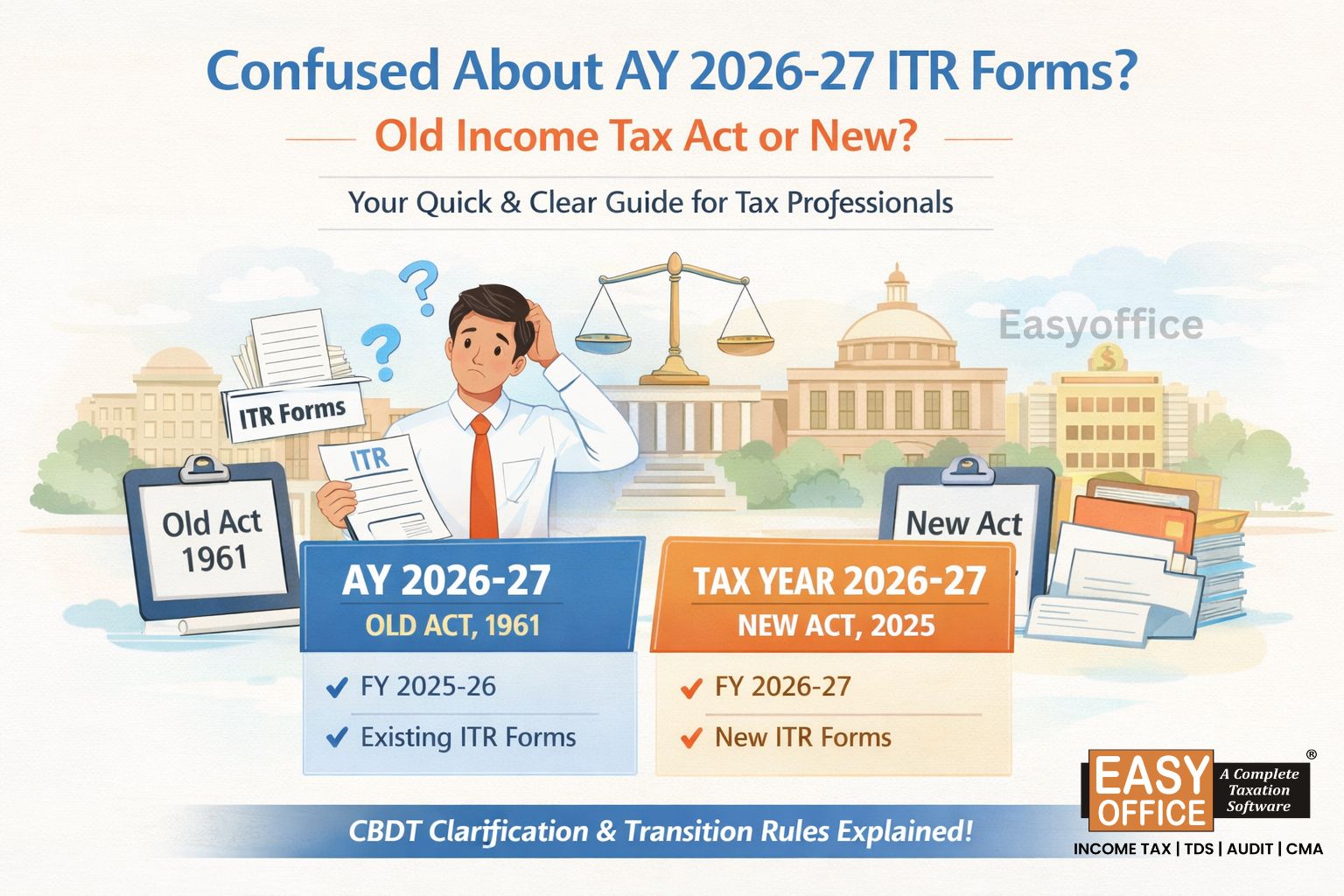
f. Mixing up FY and AY with TY
Many people assume every savings product qualifies under 80C. It does not. The section has a cap and eligibility rules.
Another common slip is confusing a rebate with a deduction. They work differently. Also remember that TY 2026-27 runs from 1 April 2026 to 31 March 2027
Salaried taxpayers without business income can usually switch regimes every year while filing. If you have business or professional income, your options are more limited.
Quick Tips Before You Decide
a. Add up your real deductions first
b. Consider income from capital gains, interest and other sources.
c. Calculate tax after rebate and cess, not just slab rates.
d. Run both regimes, not just one
e. Tell your employer early in April
f. Keep rent receipts and policy proofs
g. Review your choice when your income or deductions change.
h. Check the prescribed deadline and procedure for opting out of the default regime.
Frequently Asked Questions
1. Which tax regime is better in TY 2026-27?
The new regime usually suits people with fewer deductions. The old regime can work for those claiming large, eligible deductions. Compare your actual tax under both before deciding.
2. Can I change between the old and new systems every year?
Salaried individuals who do not have any business income are usually allowed to change every year; however, individuals who have business income are more restricted.
3. Is income tax software useful for comparing tax regimes?
Yes. Good income tax software calculates tax under both regimes, applies your deductions and estimates what you owe and help in comparison and reporting.
4. Is Section 80C applicable under the new tax regime?
No. Common deductions such as 80C cannot be used in the new tax regime.
5. Is the new tax regime the default in India?
Yes. It applies by default, but eligible taxpayers can opt for the old regime by following the applicable rules.
Conclusion
Choosing the right regime takes more than a glance at the slabs. Your salary, rent, insurance, investments and loans all shape the final number.
The new regime offers simplicity and lower rates. The old regime rewards people with substantial deductions. So skip the guesswork, put your real figures through both, and use the rules for TY 2026-27.
For CAs, accountants and taxpayers managing multiple tax calculations, reliable income tax software can make this comparison easier. Explore Easyofficesoftware to understand how its income tax software can organise your calculations and compare both regimes with confidence.
Old Tax Regime, New Tax Regime, Income Tax 2026-27
Related Blogs


All in one Software
- Income Tax Software
- TDS & TCS Software
- Audit e-filing Software
- CMA Data Software


Income Tax Act 2025 vs Income Tax Act 1961: Complete Section & Form Mapping Guide for 2026-27
#TAXATION










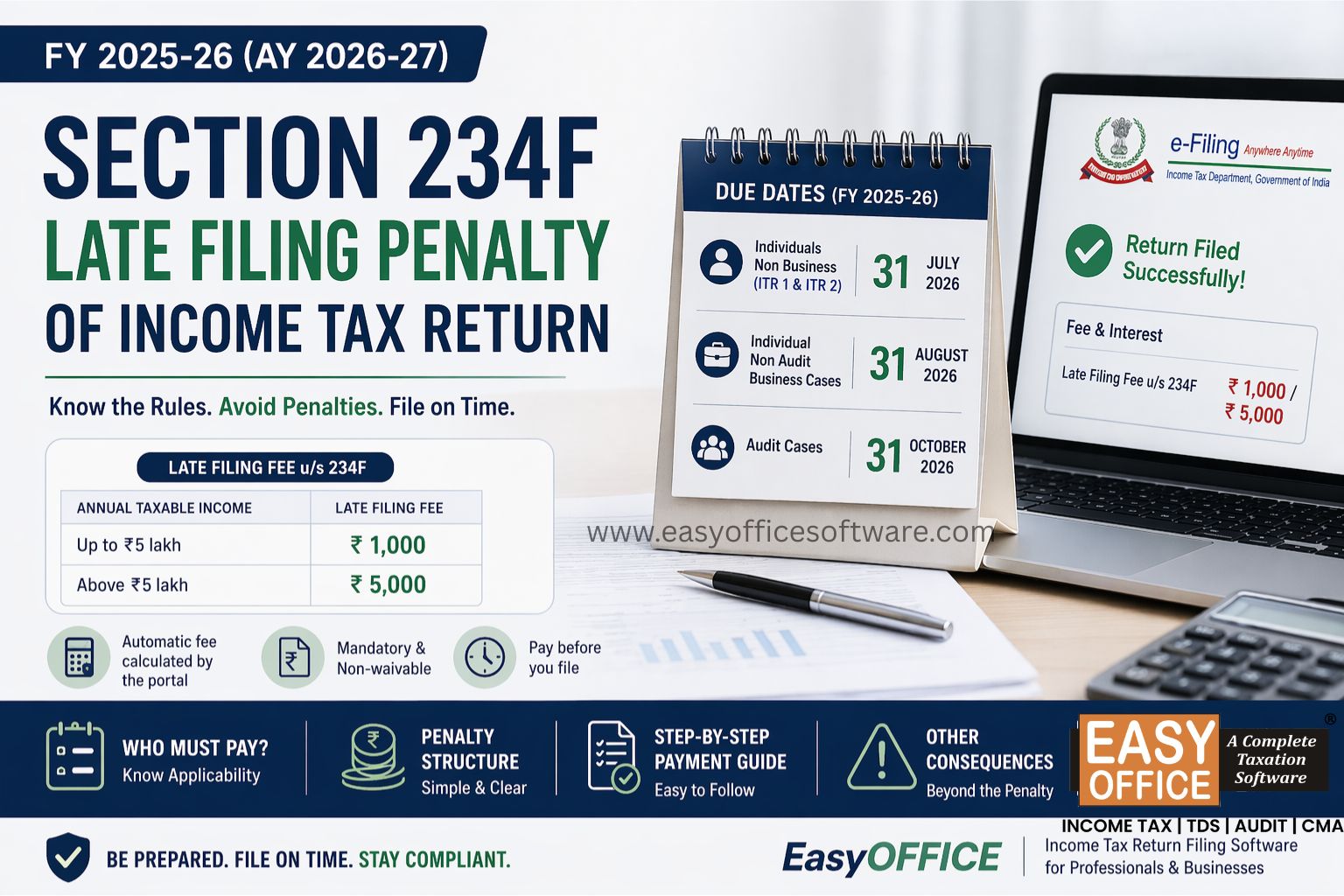
Penalty for Late Filing of Income Tax Return for FY 2025-26 – Section 234F of Income Tax Act 1961
#ITR