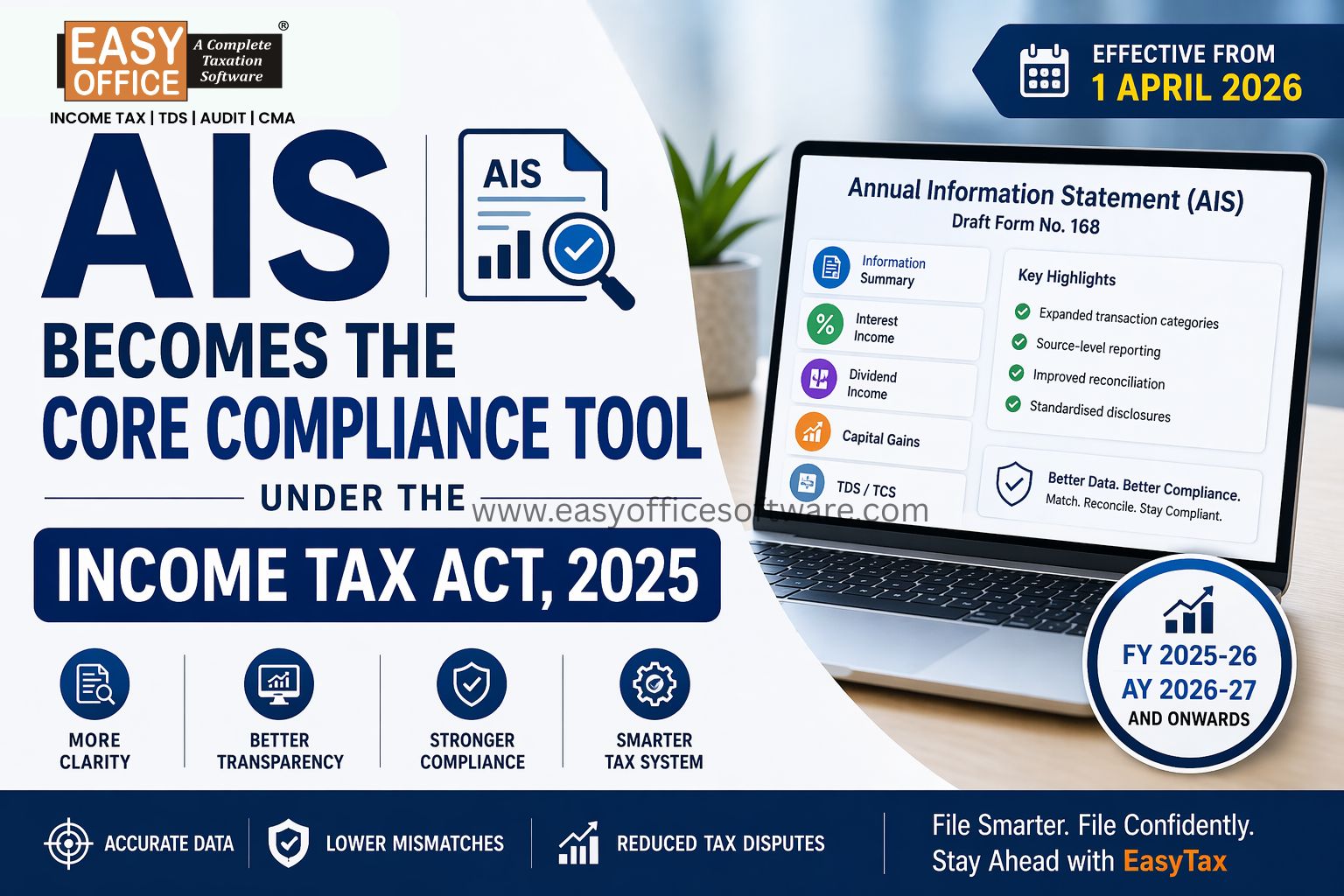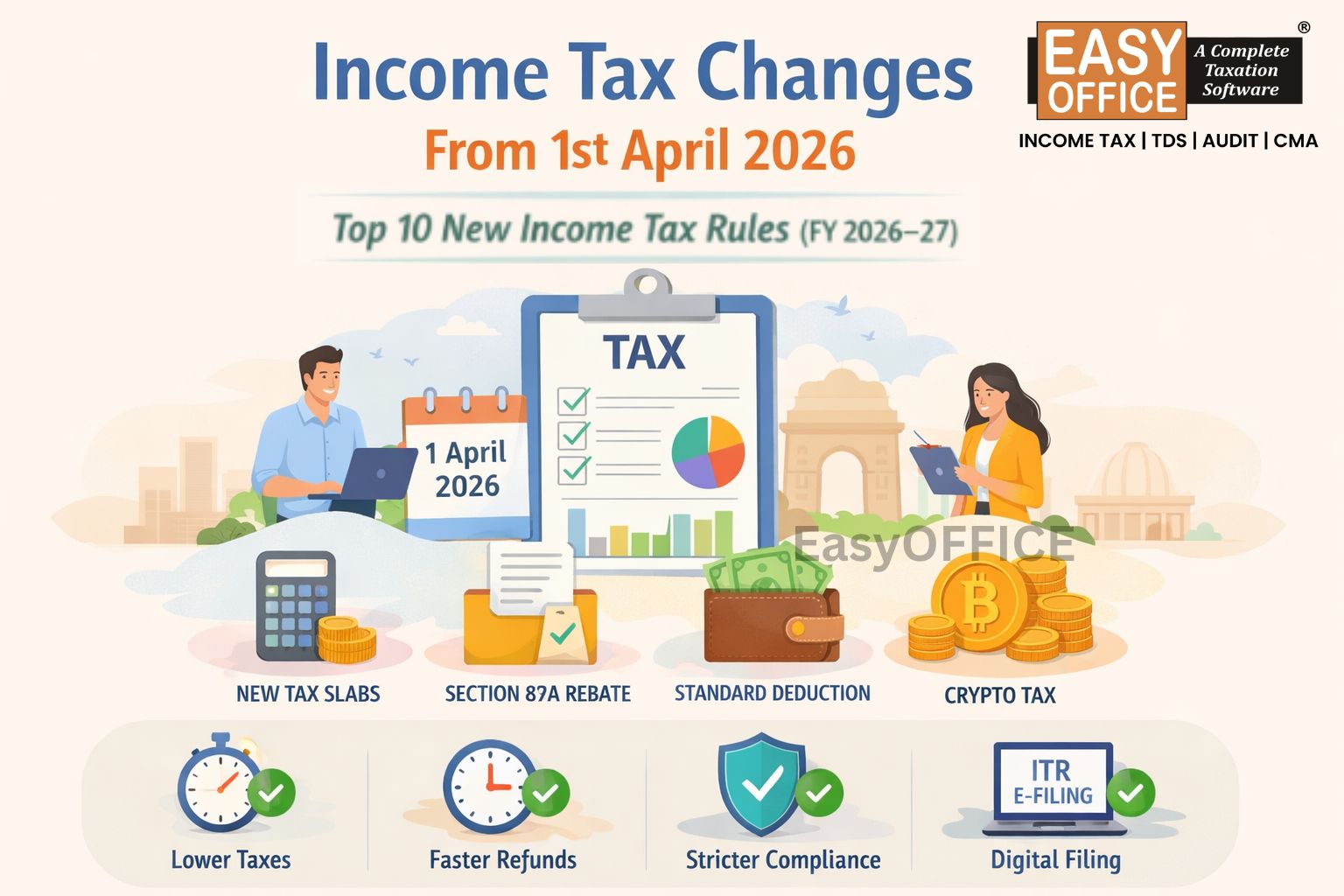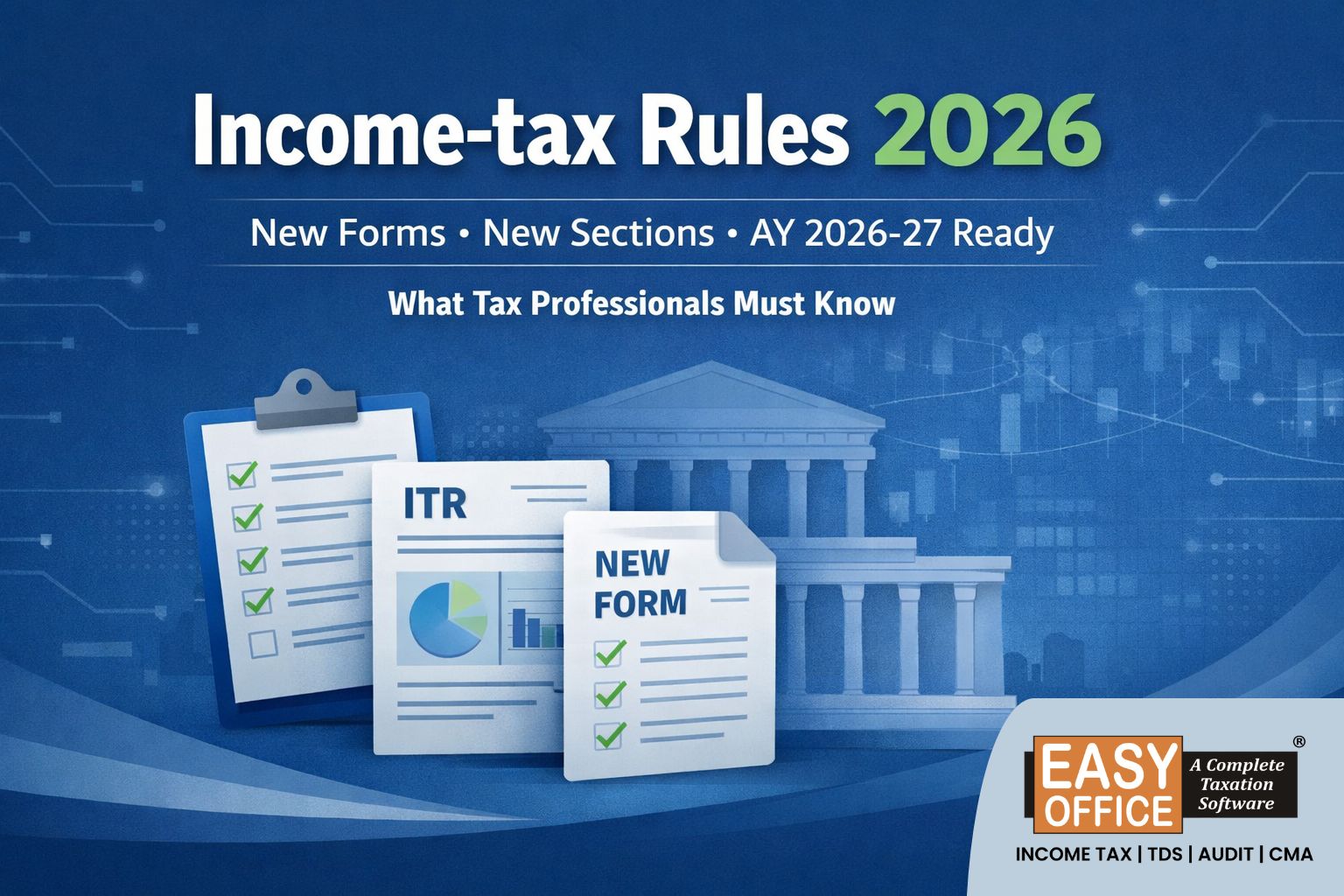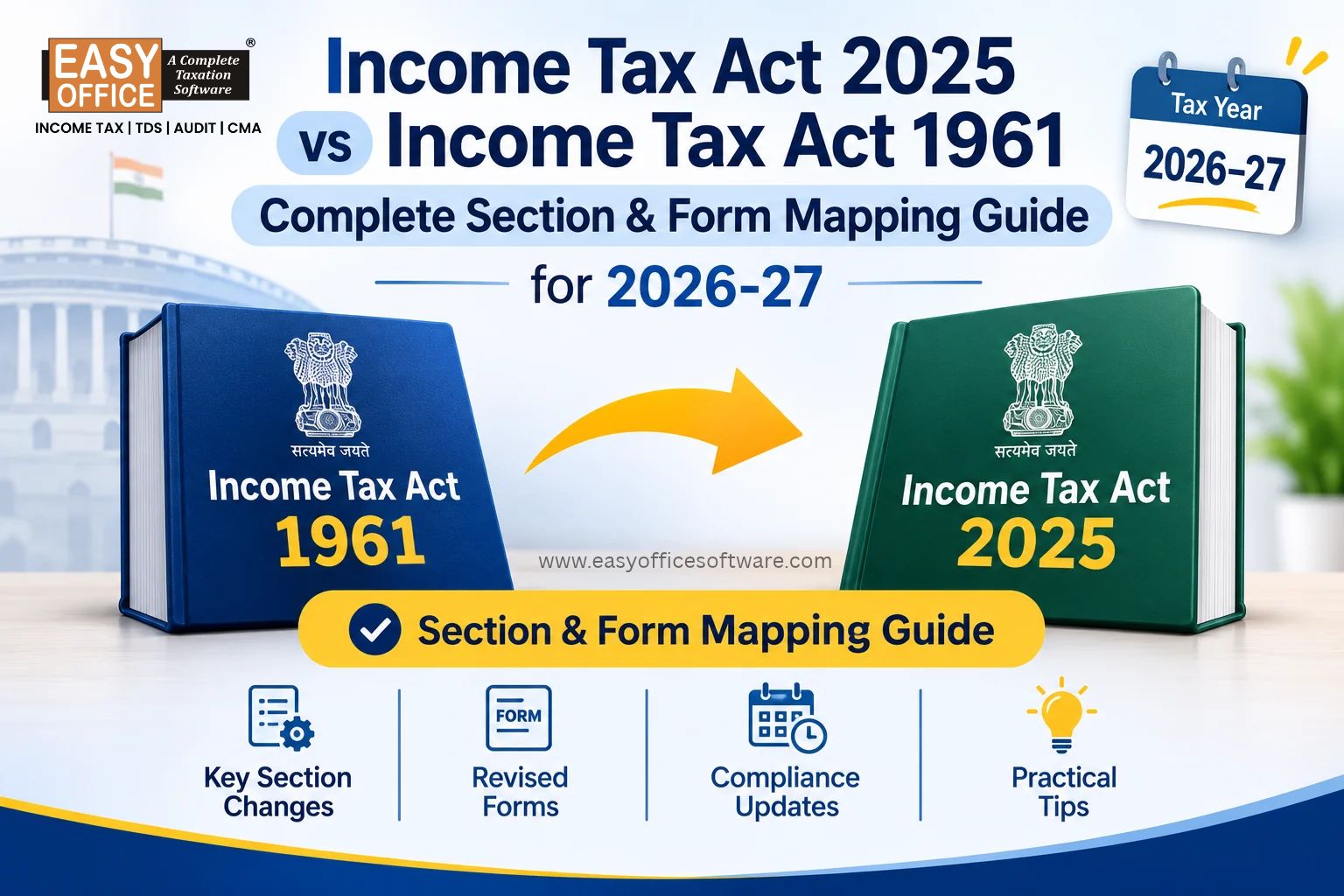
The year 2026-27 presents a major change in the income tax regime of India. The Income Tax Act, 2025 took over the Income Tax Act, 1961, from 1 April 2026. Though there wasn’t much change in the overall tax structure, the section numbers, form numbers, terminology and compliance requirements have changed. One of the most noticeable changes is the replacement of the terms "Previous Year" and "Assessment Year" with "Tax Year" under the new framework.
The modifications should be understood by the taxpayer, CAs, business organisations and tax consultants. The use of old section numbers or forms, even in the same provisions, leads to complications.
This guide will explain the key differences, the key section mapping, the revised forms, and the right actions that should be undertaken in using the compliance tools for tax. Selection of the best income tax software becomes significant during the transition while handling returns under both the regimes.
1. Why Has India Introduced the Income-tax Act, 2025?
The 1961 Act served the country for over sixty years. Along the way, amendments, explanations and add-on provisions made it long and tough to read, even for professionals.
The new Act tries to fix that. It came into force on 1 April 2026, backed by the Income-tax Rules, 2026. The goal is a cleaner law, not an entirely new tax system.
What it aims for:
A. Simpler language
B. Better organisation
C. Redesigned forms
D. Easier navigation
2. Income-tax Act 2025 vs 1961: Key Differences
Here is a quick side-by-side view.
| Area | 1961 Act | 2025 Act |
| Starts | 1 April 1962 | 1 April 2026 |
| Structure | Heavily amended | Reorganized |
| Year terms | Previous Year, Assessment Year | Tax Year |
| Sections | Old numbering 819 sections and 14 schedules | New numbering 536 sections and 16 schedules |
| Forms | Old numbers | Renumbered |
| Rules | Rules, 1962 511 rules and 399 forms | Rules, 2026 333 rules and 190 forms |
The change you’ll notice first is the Tax Year. Income earned between 1 April 2026 and 31 March 2027 belongs to Tax Year 2026-27. No more juggling two-year names.
But old assessment years don’t move to the new law on their own. That matters when you file a return or handle a pending case.
3. Important Section Mapping: Old Act vs New Act
Most people struggle with one thing: finding the right section while reading an old audit report or legal reference. This table covers commonly used ones.
| Purpose | 1961 Act | 2025 Act |
| Exempt income | Section 10 | Section 11 |
| Presumptive taxation | 44AD, 44AE, 44ADA | Section 58 |
| Income of minor child | 64(1A) | 99(1)(c) |
| New tax regime | 115BAC | Section 202 |
| Reassessment | 148, 148A | 280, 281 |
| TDS on salary | Section 192 | Section 392 |
| TDS on contractors | Section 194C | Section 393 |
| TDS on rent | Section 194-I | Section 393 |
| Tax collected at source | Section 206C | Section 394 |
| Appeal to ITAT | Section 253 | Section 362 |
This is a selection mapping, not a complete legal mapping.
What Do These Changes Mean in Practice?
Take a business owner in Ahmedabad who used to cite Section 44AD for presumptive taxation. For Tax Year 2026–27, the matching provision is Section 58.
Likewise, an employer checking salary TDS should now look at Section 392, not 192.
A new number doesn’t always mean a new tax treatment. Compare the actual provision, the rules and any notifications before you decide anything.
4. Income Tax Form Mapping: Old Forms vs New Forms
Forms have been renumbered too. The Income-tax Rules, 2026 bring revised versions for many everyday tasks. A few important ones:
| Purpose | Old form | New form |
| PAN, Indian individual | 49A | 93 |
| PAN, Indian company or entity | 49A | 94 |
| PAN, foreign individual | 49AA | 95 |
| PAN, foreign entity | 49AA | 96 |
| TAN, government | 49B | 134 |
| TAN, other applicants | 49B | 135 |
| No-PAN declaration | 60 | 97 |
| Lower or nil TDS certificate | 13 | 128 |
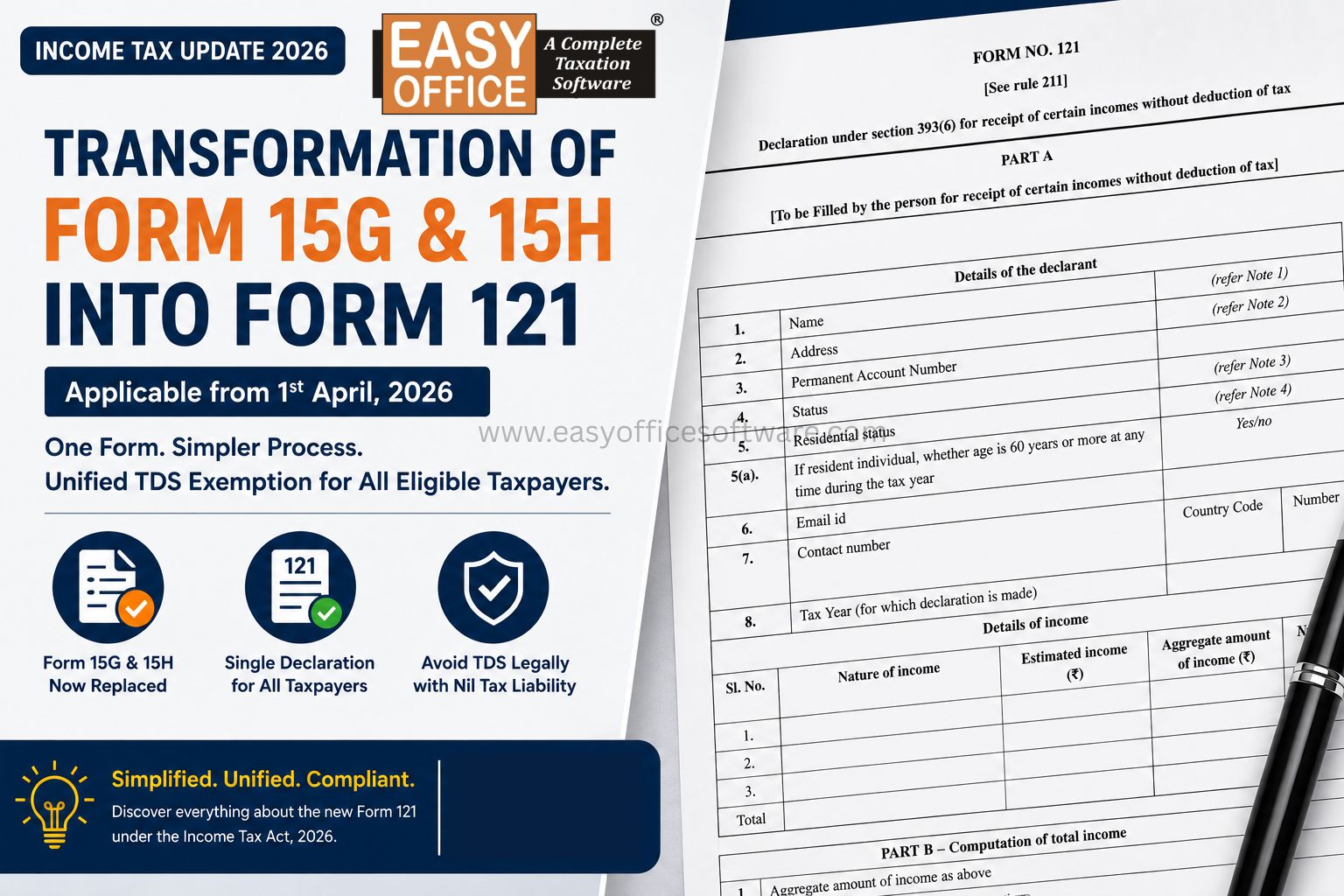
| No-TDS declaration | 15G / 15H | 121 |
| Relief on salary arrears | 10E | 39 |
| Foreign remittance information | 15CA | 145 |
| CA certificate, foreign remittance | 15CB | 146 |
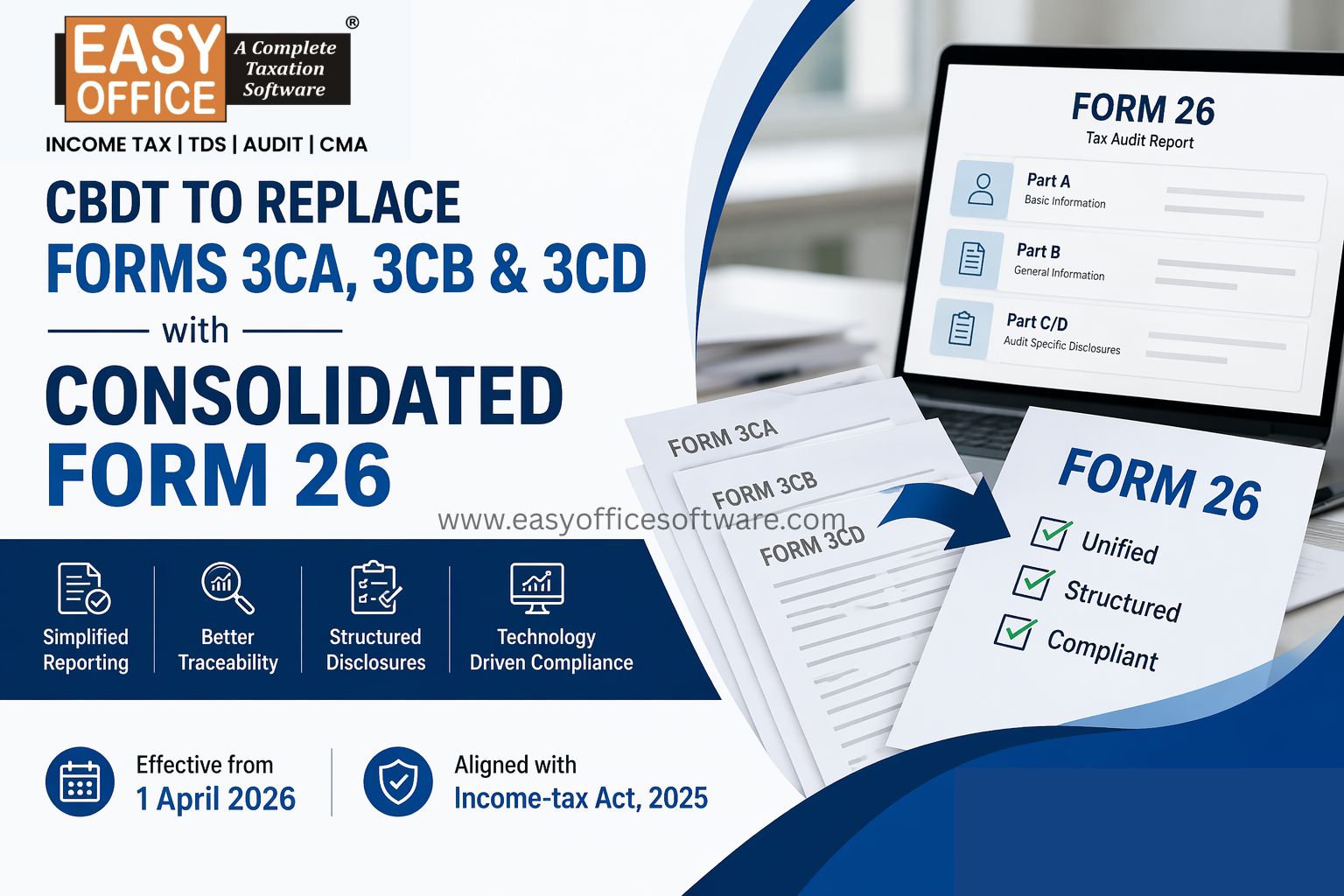
| Tax audit reports | 3CA / 3CB / 3CD | 26 |
Why Should Businesses Pay Attention to Form Changes?
A wrong form can delay things and bring follow-up queries. For instance, an Indian company applying for a new PAN after 1 April 2026 should use Form 94, not 49A.
The positive thing is that the PAN number and TAN number you have is still valid. You do not need to apply for a new one.
5. How Will the Transition Work During 2026–27?
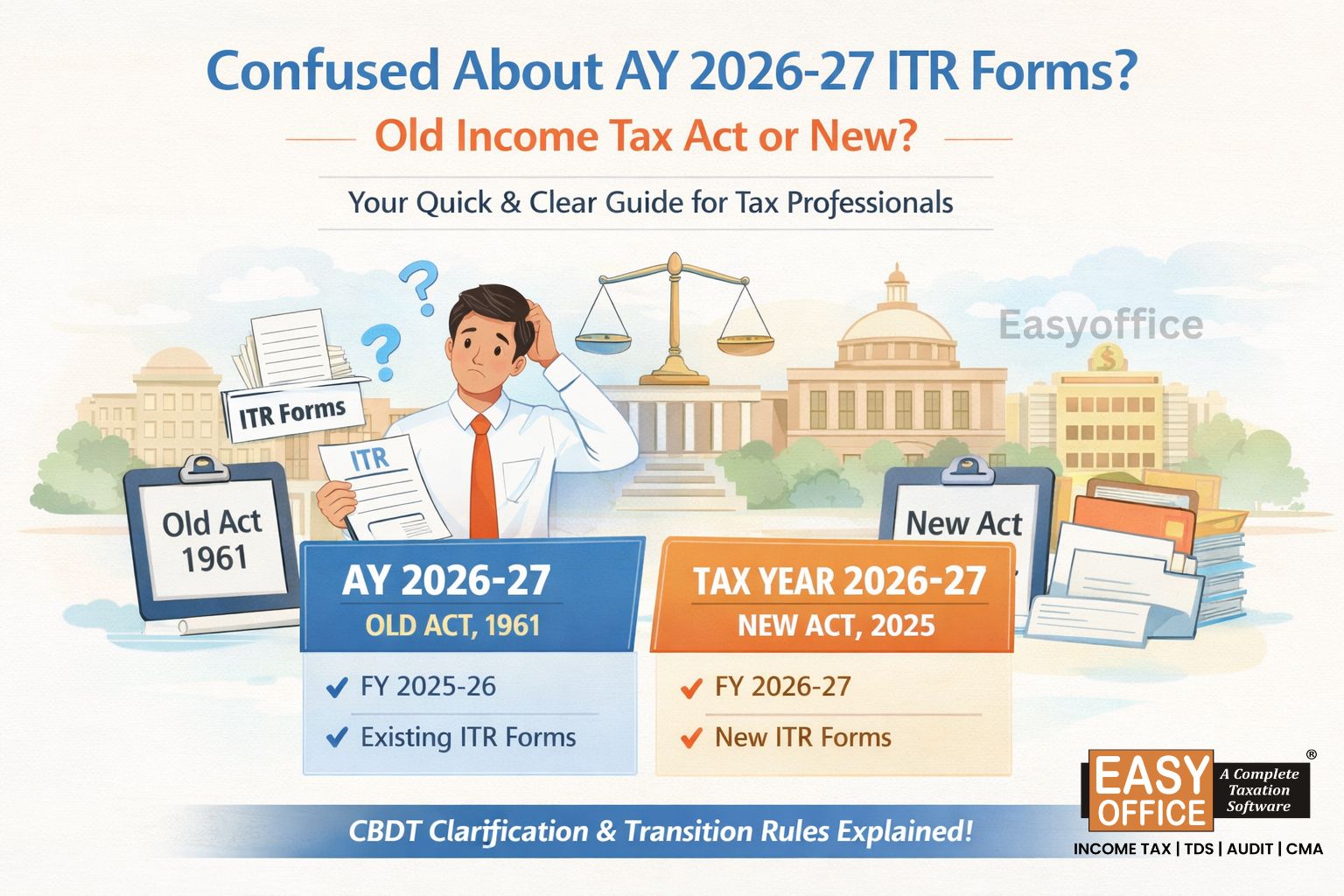
All returns will not immediately be shifted to the new law. Both acts continue to be valid, based on the time frame.
| Transaction / compliance | Applicable law |
| Income earned during FY 2025-26 | Income-tax Act, 1961 |
| ITR for AY 2026-27 | Income-tax Act, 1961 |
| Income earned during Tax Year 2026-27 | Income-tax Act, 2025 |
| Advance tax for Tax Year 2026-27 | Income-tax Act, 2025 |
| Pending assessment proceedings for earlier years | Relevant old Act provisions, subject to transition and savings provisions |
| Earlier tax demands, appeals and proceedings | Governed by applicable transitional provisions |
Both are available through the online filing system. You only need to select the correct assessment or tax year.
6. Practical Tips for Tax Professionals and Businesses
A few practices help in making the move smoother:
A. Updating section references
B. Form requirements check
C. Sorting pre-April records separately
D. Software testing
E. CBDT updates
F. Maintain separate references for AY and Tax Year matters.
G. Track amendments, circulars and notifications issued after commencement.
Records require special attention. Tag every transaction as before or after 1 April 2026, so you never have to guess which Act applies later. And whichever tool you use, confirm it supports the tax year you’re filing for.
7. Common Mistakes to Avoid
Most slip-ups during this transition look like these:
A. Old sections in new documents
B. Wrong form selection
C. Refiling old assessments
D. Mixing year terms
E. Assuming identical legal effect
A quick check of which law applies usually prevents all five. A new provision may consolidate multiple earlier provisions, change the structure, or contain different conditions. Professionals should compare the actual statutory language rather than relying only on the mapping table.
8. Frequently Asked Questions
1. When did the Income Tax Act, 2025, come into force?
The act became effective from 1 April 2026, succeeding the Income Tax Act, 1961
2. Does the new Act change income tax rates?
It mainly reorganises existing law. Still, check the current Finance Act and rules for rates.
3. Has there been any modification in Section 115BAC in the new Act?
Yes. The relevant section for the new tax scheme provision is Section 202 of the Income Tax Act, 2025.
4. Are the old PAN and TAN numbers valid?
Yes. The old PAN and TAN numbers will remain valid. New forms have to be used for the new tax system.
5. Which software should CAs use for the new framework?
Pick one that supports both Acts, updated forms, new section references and regular updates. Do a trial run on a real case first.
Conclusion
The move from the 1961 Act to the 2025 Act is mostly about structure, not a new tax burden. Learn the key section and form changes, track which year falls under which Act, and the confusion fades quickly.
For smoother preparation and filing, the best income tax software can save real time, as long as it handles both frameworks. To see how a compliance-ready tool fits your workflow, explore the tax solutions at Easyofficesoftware.
Income Tax Act 2025, Income Tax Act 1961, Income Tax Section Mapping




All in one Software
- Income Tax Software
- TDS & TCS Software
- Audit e-filing Software
- CMA Data Software


Income Tax Act 2025 vs Income Tax Act 1961: Complete Section & Form Mapping Guide for 2026-27
#TAXATION






















Penalty for Late Filing of Income Tax Return for FY 2025-26 – Section 234F of Income Tax Act 1961
#ITR