GST annual return filing has entered a new phase. With increased automation, tighter reconciliations, and stronger data matching, GSTR-9 and GSTR-9C are no longer routine compliance forms. For FY 2024-25, the GST department has clearly signalled that annual returns will be closely analysed using system-driven checks.
If you are a business owner, CA, or tax consultant, this advisory will help you understand what has changed, why it matters, and how to stay compliant using the top GST return filing software.
Why GSTR-9 & GSTR-9C Matter More Than Ever
GSTR-9 is the annual GST return that consolidates data from all monthly or quarterly filings. GSTR-9C is the reconciliation statement that compares GST returns with audited books of accounts.
As per GSTN data, over 1.5 crore GSTR-9 returns were filed in the last financial year, and scrutiny cases have increased sharply due to mismatches. From FY 2024-25 onwards, GST authorities are relying heavily on analytics, e-invoice data, and auto-populated figures.
Simply put, casual filing is no longer safe.
Understanding GSTR-9 Under GST
GSTR-9 is mandatory for most regular GST taxpayers, except those specifically exempted. It captures details of outward supplies, inward supplies, ITC availed, tax paid, and demands or refunds.
While filing GSTR-9 may seem like a summary exercise, even small differences between GSTR-1, GSTR-3B, and books can raise red flags. Late filing attracts penalties of ₹200 per day, subject to prescribed limits.
Understanding GSTR-9C and Its Importance
GSTR-9C is the reconciliation statement that explains differences between GST returns and financial statements. Although CA certification is no longer mandatory in all cases, the responsibility on taxpayers has increased significantly.
From FY 2024-25, incorrect reconciliation or unsupported differences may directly lead to audits, DRC-01 notices, or scrutiny proceedings.
Key Changes in GSTR-9 Starting FY 2024-25
One of the biggest changes is the increased dependency on auto-populated data. Tables are now system-filled using GSTR-1, GSTR-3B, e-invoicing, and ITC data.
Any deviation from this data must be properly explained. Blind acceptance of auto-filled values can be risky, as GSTN data may not always reflect year-end adjustments.
Another important change is stricter validation rules. Certain inconsistencies can block filing unless corrected or justified.
Key Changes in GSTR-9C Starting FY 2024-25
Reconciliation under GSTR-9C has become more granular. Differences in turnover, tax liability, and ITC must be clearly classified and explained.
GST authorities are now comparing:
> E-invoice data
> Books of accounts
> GSTR-1 and GSTR-3B
Even minor unexplained differences may attract notices. This is why Excel-based reconciliation is no longer reliable for most taxpayers.
Auto-Population and System-Driven Data Checks
Auto-population saves time, but it also increases risk if not reviewed carefully. Many businesses face mismatches due to:
> Amendments made in later periods
> Credit notes issued after year-end
> Accounting adjustments
Using the best GST software for CA firms and professionals helps identify these gaps before filing.
Impact of FY 2024-25 Changes on Businesses
For SMEs, compliance discipline has become critical. Large businesses with multiple GSTINs face even higher risk due to volume and complexity.
Service providers often face ITC mismatches, while traders and manufacturers deal with turnover reconciliation issues. Across sectors, reconciliation accuracy is now non-negotiable.
Impact on Chartered Accountants and Tax Consultants
For professionals, risk exposure has increased. Advisory responsibility is now as important as compliance filing.
Many firms are shifting to GST filing software for tax consultants to manage bulk data, reduce manual effort, and maintain audit-ready documentation.
Common Errors Observed in GSTR-9/9C Filing
Some of the most common errors include:
> Turnover mismatch between books and returns
> Incorrect ITC classification
> Missed amendments
> Wrong tax payment reporting
As per industry estimates, over 40% of GST notices originate from annual return mismatches.
Penalties and Consequences of Non-Compliance
Late filing penalties, interest, departmental audits, and blocked refunds are real consequences of incorrect GSTR-9/9C filing. Repeated non-compliance can also impact GST ratings and future registrations.
Importance of Reconciliation for FY 2024-25
Reconciliation is no longer an annual exercise. Businesses following monthly or quarterly reconciliation face far fewer issues during GSTR-9/9C filing.
Using technology instead of manual spreadsheets ensures accuracy and traceability.
Role of Technology and GST Software
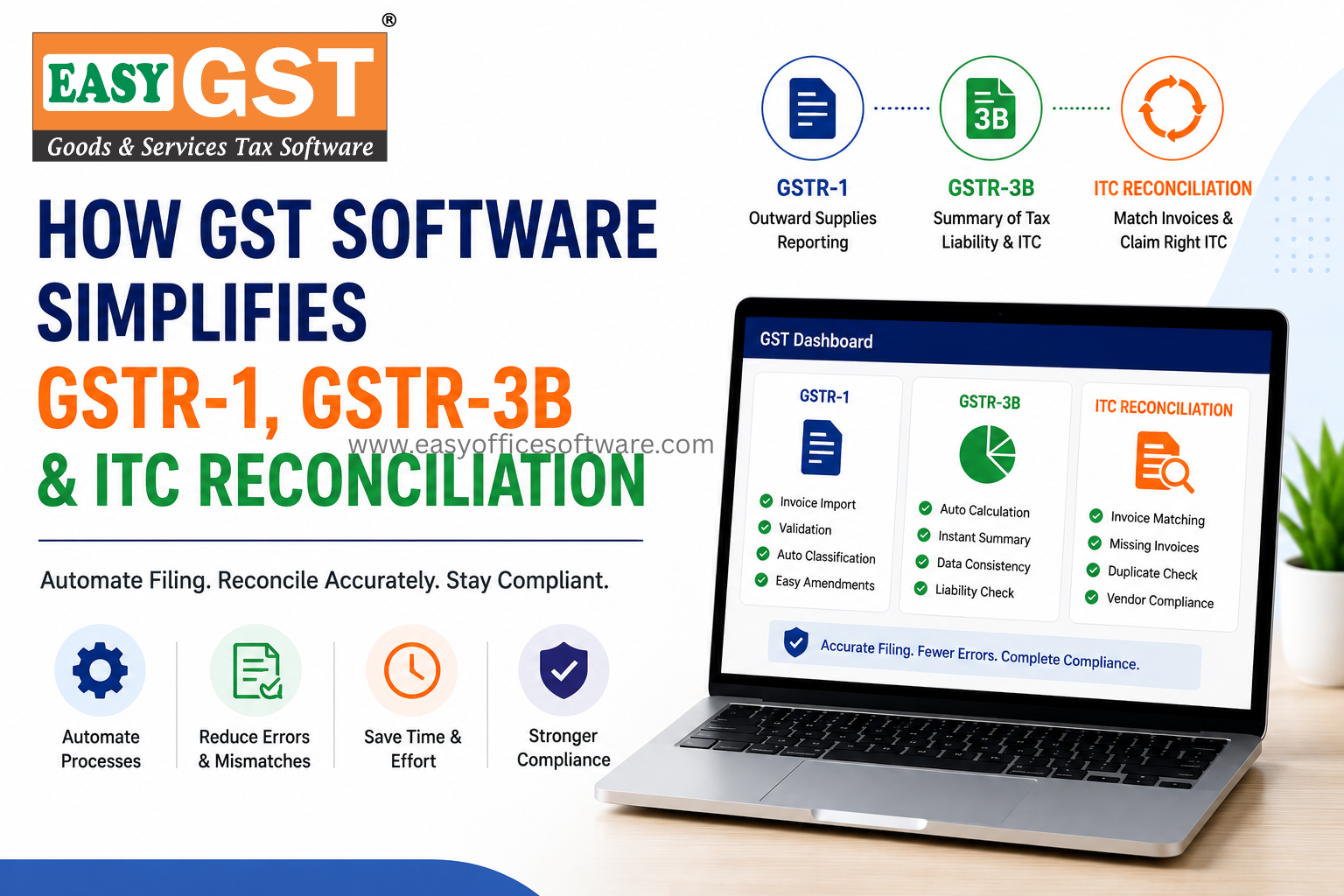
Modern GST compliance tools offer:
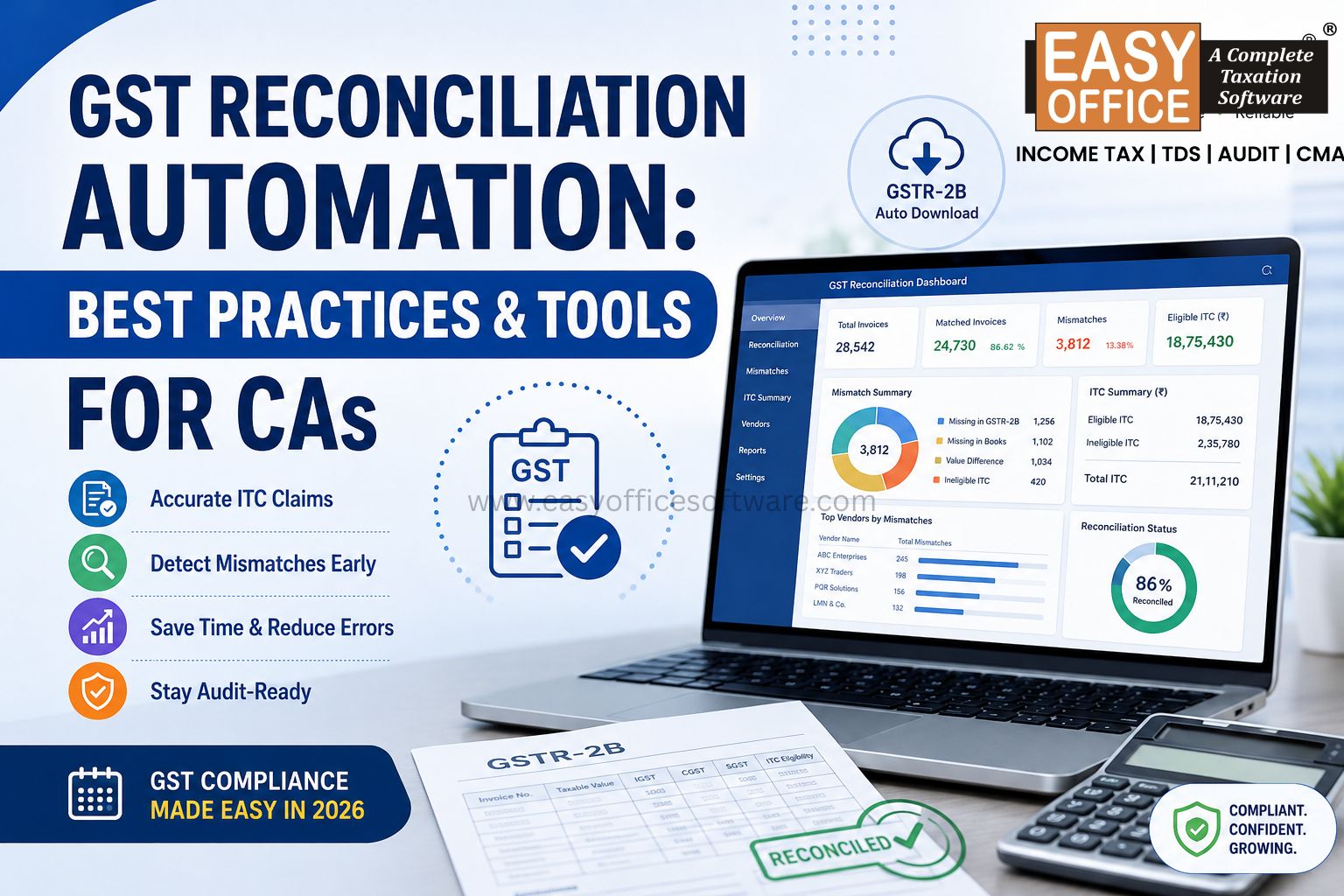
> Automated reconciliation
> Mismatch detection
> Audit-ready reports
> Multi-GSTIN management
This is why many firms are upgrading to the best GST software for professionals instead of relying on manual processes.
Solutions from Electrocom Software Pvt Ltd are designed specifically to address these FY 2024-25 compliance challenges with accuracy and scalability.
Best Practices Before Filing GSTR-9/9C
Early preparation is key. Businesses should validate data monthly, maintain proper documentation, and coordinate closely with consultants. Last-minute filing almost always leads to errors.
Advisory for Businesses and Professionals
The message from GST authorities is clear: annual returns must reflect accurate, reconciled data. Using the top GST return filing software is no longer optional—it is essential for risk-free compliance.
Frequently Asked Questions
1. Is GSTR-9 mandatory for all GST taxpayers?
Most regular taxpayers must file it unless specifically exempted.
2. Who needs to file GSTR-9C from FY 2024-25?
Taxpayers crossing the prescribed turnover limit must file reconciliation statements.
3. Can GSTR-9 or 9C be revised?
No, revisions are not allowed once filed.
4. What happens if mismatches are found?
Mismatches may lead to scrutiny notices or audits.
5. Is GST software useful for small businesses?
Yes. It reduces errors and simplifies compliance.
Final Takeaway
With tighter controls, advanced analytics, and data-driven scrutiny, GST annual returns have become high-risk compliance areas. Businesses and professionals who prepare early and adopt technology will stay ahead.
Choosing the top GST return filing software is the smartest move for FY 2024-25 and beyond.
GSTR-9, GSTR-9C, GST annual return, top gst return filing software, best gst software for ca, gst filing software for tax consultants, best gst software for professional, GST reconciliation
Related Blogs



All in one Software
- Income Tax Software
- TDS & TCS Software
- Audit e-filing Software
- CMA Data Software















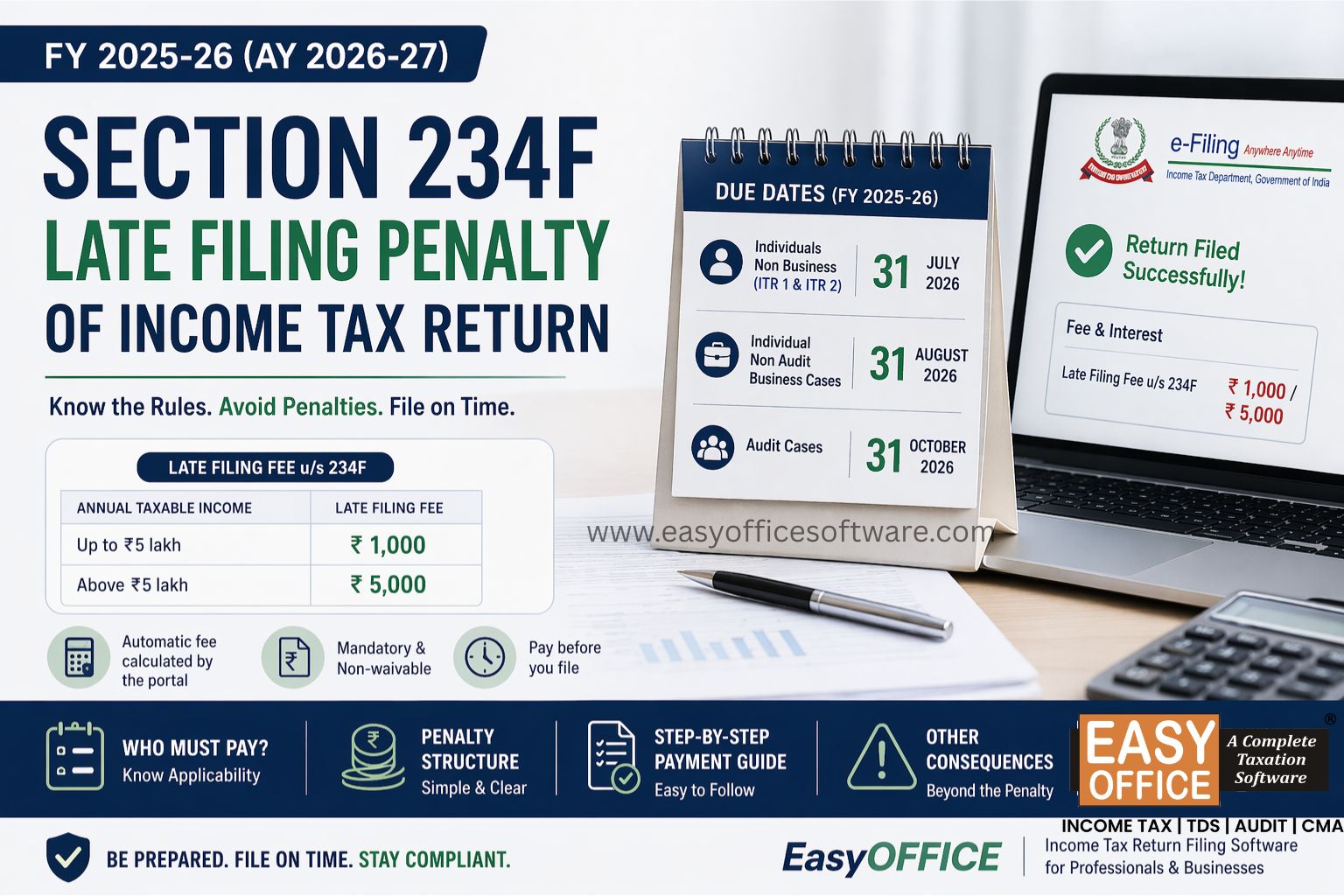
Penalty for Late Filing of Income Tax Return for FY 2025-26 – Section 234F of Income Tax Act 1961
#ITR