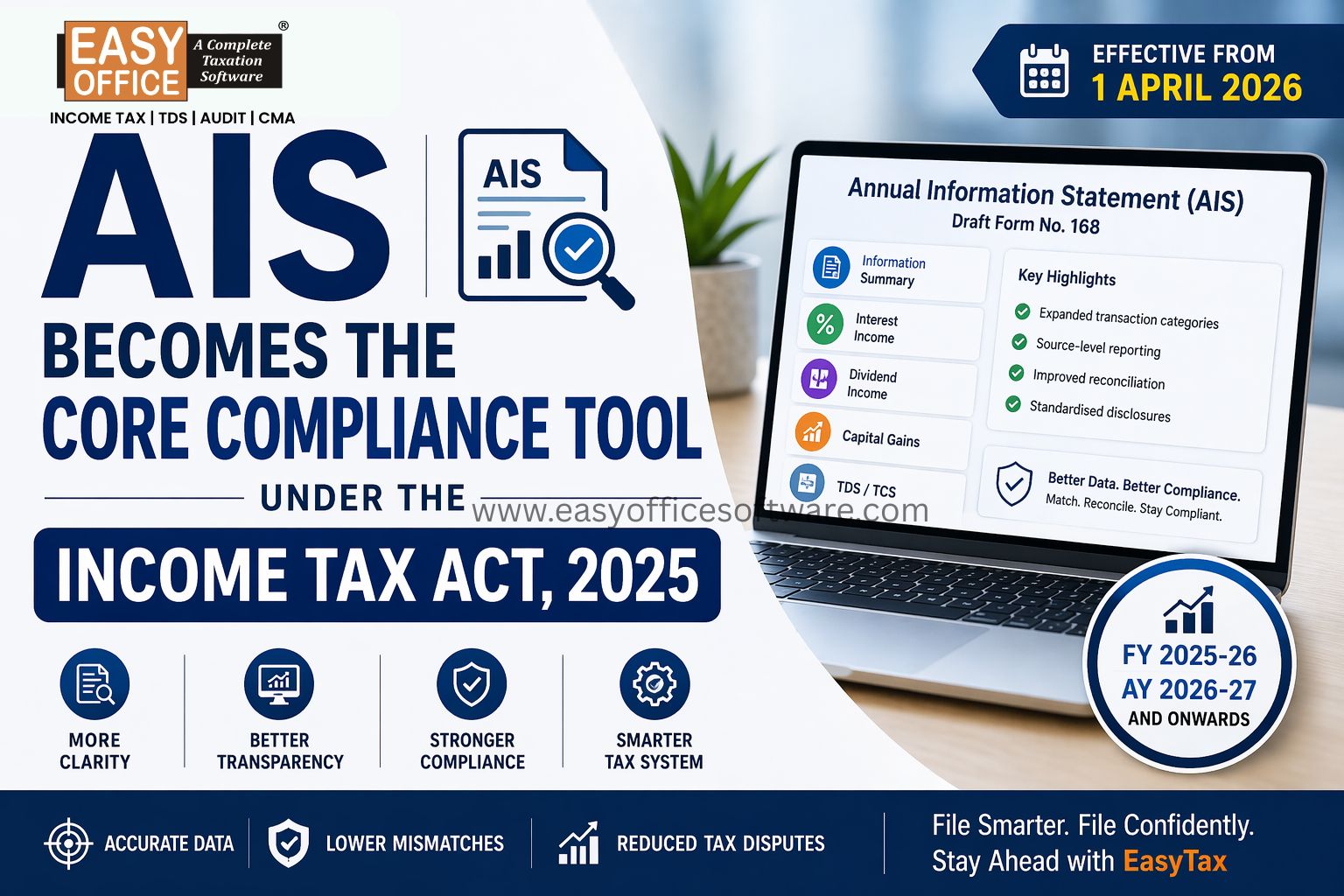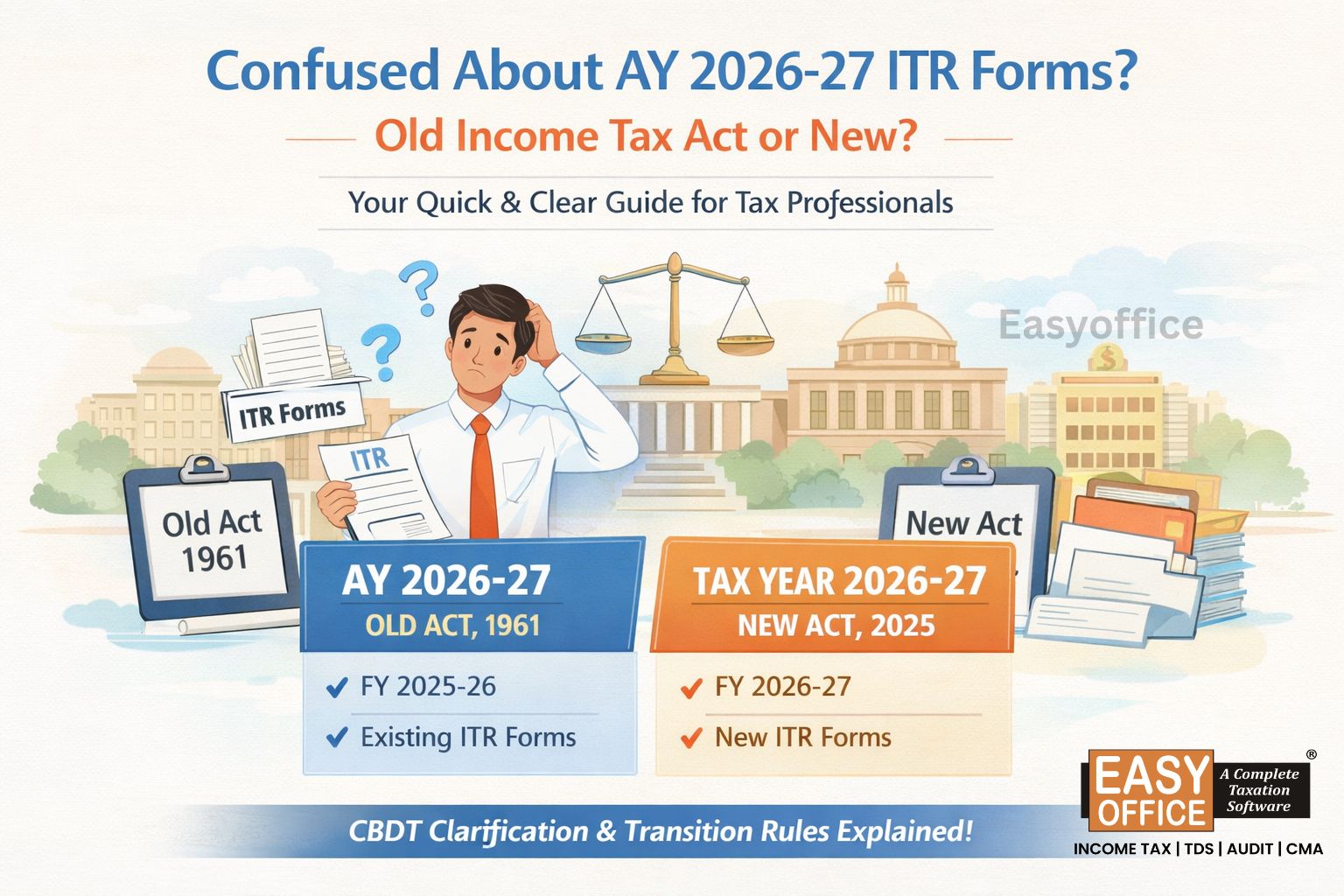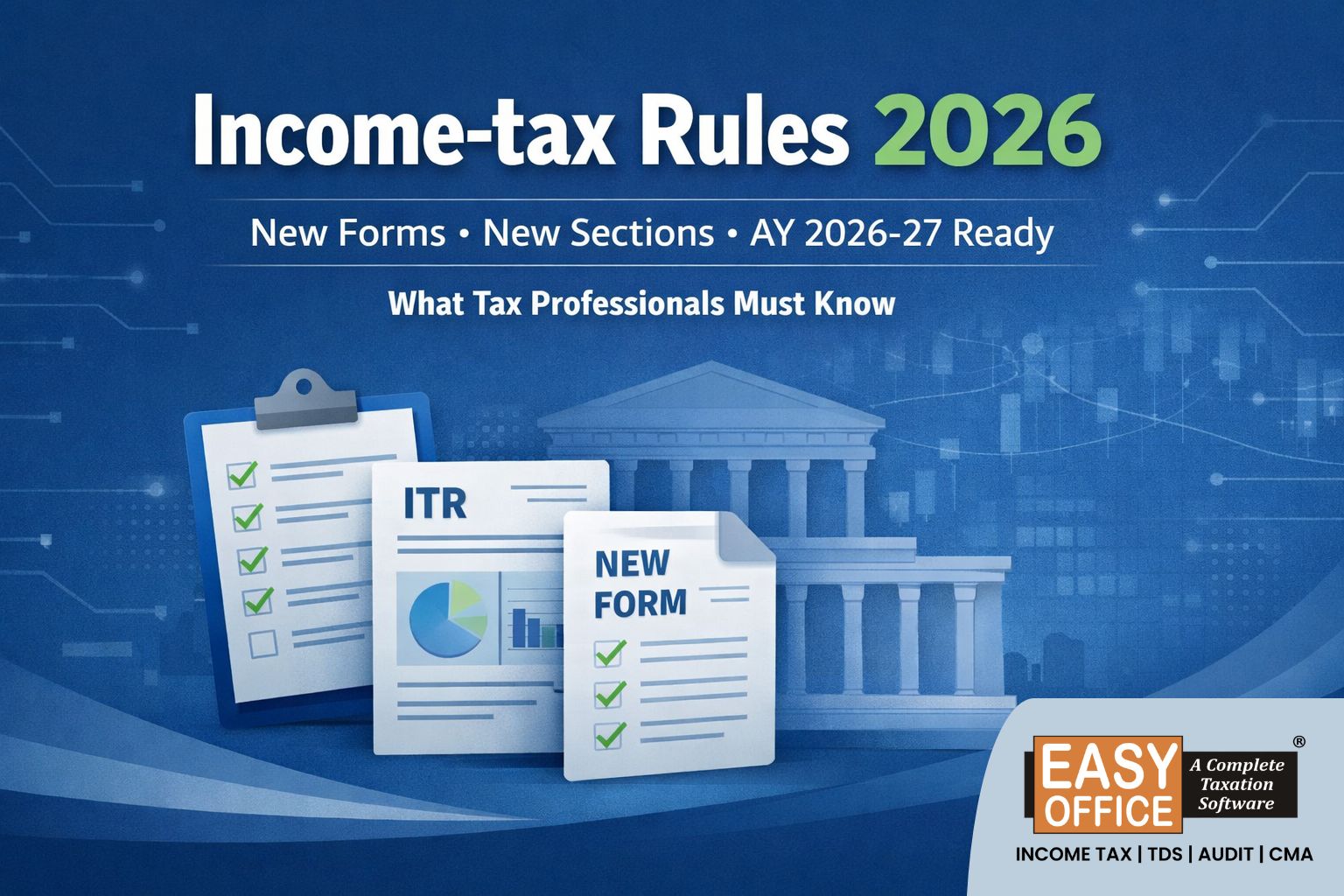
You wake up to a major compliance update. The Income tax Act, 2025, will take into effect from April 1, 2026. The Central Board of Direct Taxes (CBDT) has released the draft Income tax Rules, 2026, along with updated and new compliance forms. If you’re a professional or run a business and you’re gearing up for ITR filing for 2026-27, this is going to affect you directly.
The draft rules went public on February 4, 2026. Stakeholders can submit feedback until 22 February 2026. The government even rolled out an online utility on the e-filing portal, so you can submit your suggestions for each rule and form.
|
What’s Major changes under the Income tax Rules, 2026
The new rules replace the Income tax Rules, 1962. The scale of rationalisation is significant.
Here’s the snapshot:
| Particulars | Old Rules 1962 | Draft Rules 2026 |
|---|---|---|
| Total Rules | 511 | 333 |
| Total Forms | 399 | 190 |
🔍 That’s a major cut: fewer rules, fewer forms. It’s all about avoiding the clutter and making things simpler. The new drafts use tables and clear layouts instead of those long, blocky paragraphs. Section references now match up with the Income tax Act 2025.
The aim is simple. Make compliance easier. Remove confusion. Push for more tech-driven processing.
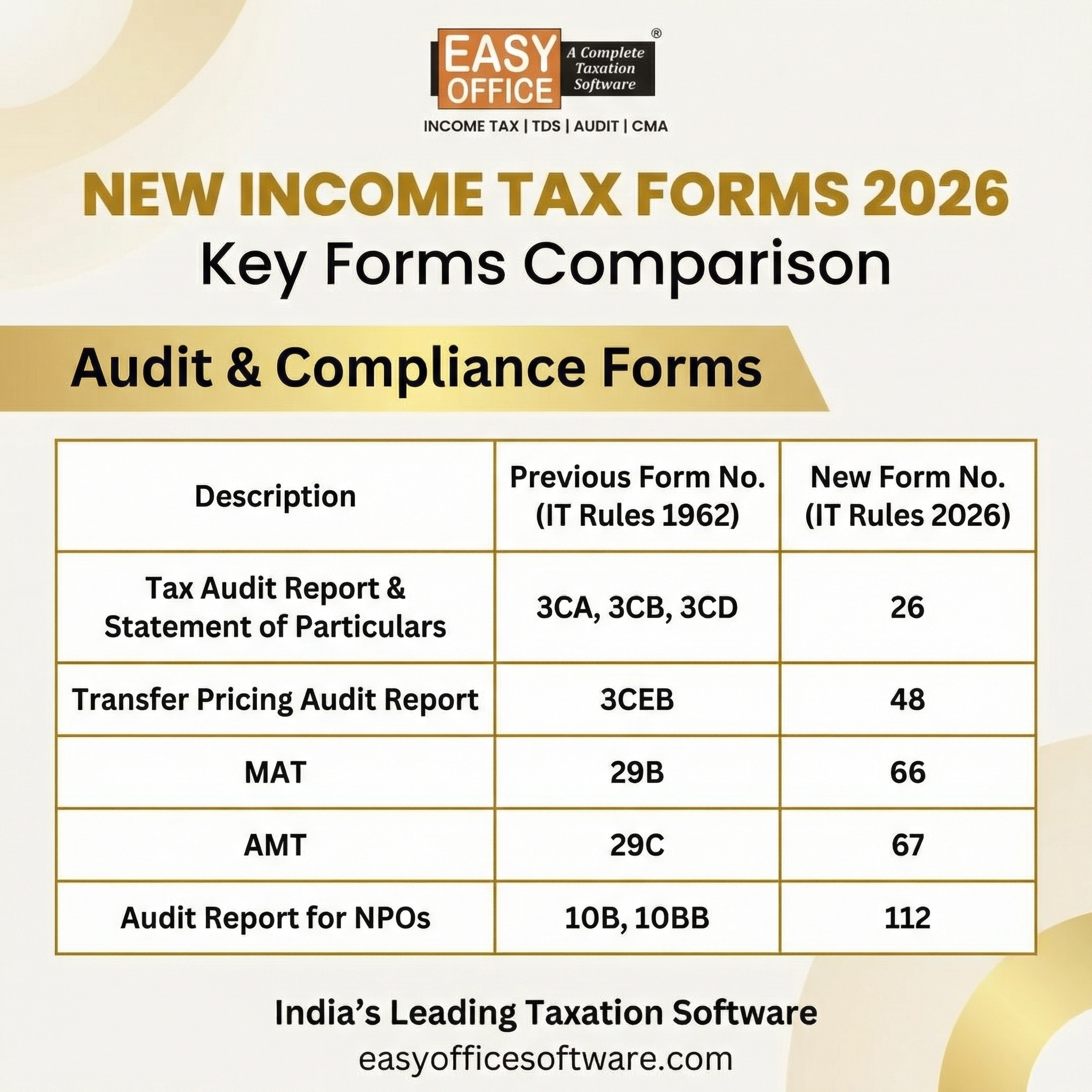
Tax Audit forms continue with a section change
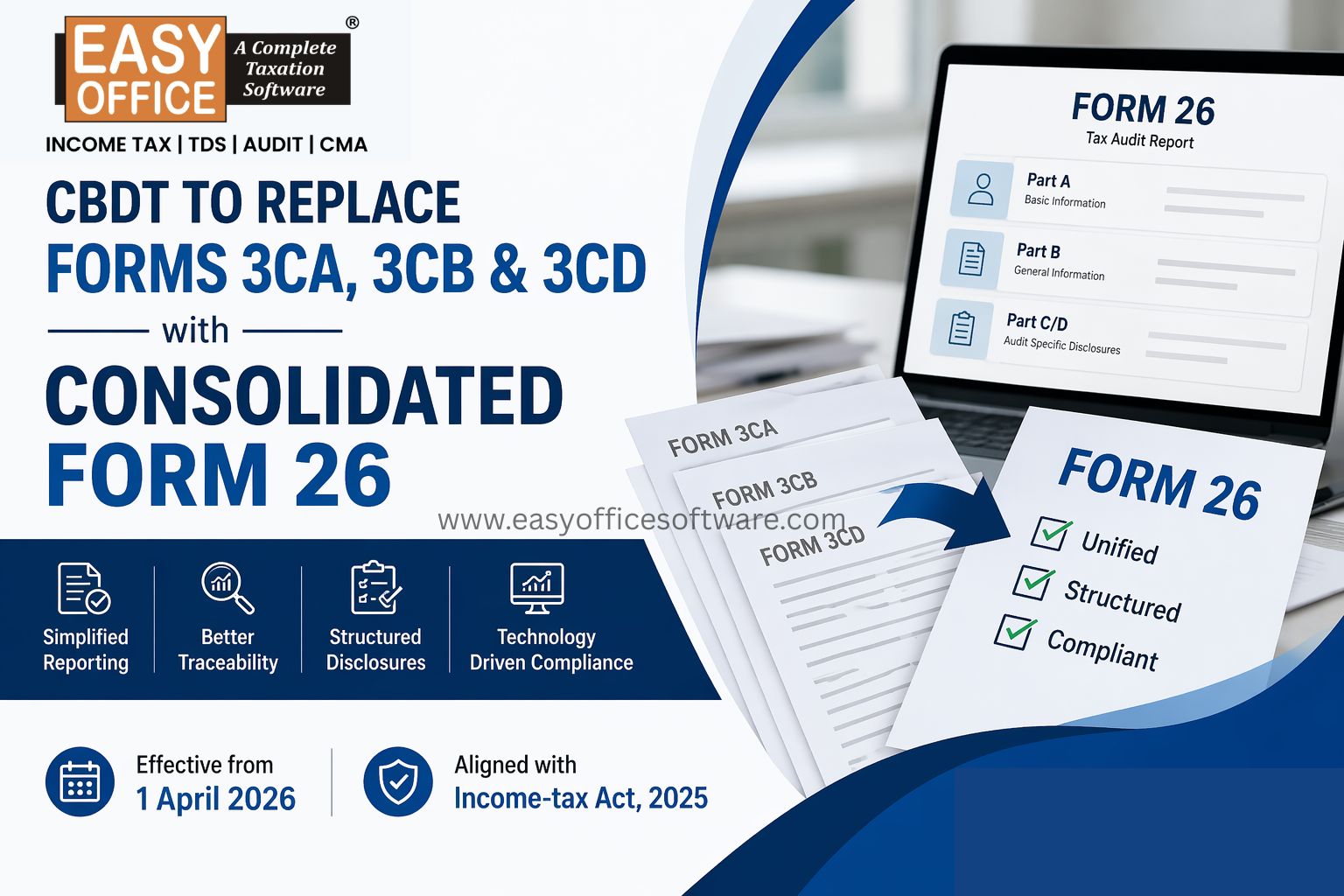
Form 3CA, 3CB, and 3CD continue as the tax audit report and statement of particulars. In Income tax Act 1961 these forms were connected to Section 44AB.
Under the new Act, audit reporting shifts to Section 63 of the Income tax Act, 2025. The reporting structure remains the same, but legal references change.
Professionals must ensure audit reports map correctly to the new sections and as per Rule 2026.
TDS return forms remain, but with new references & Forms
Form 24Q sticks around for salary TDS reporting and Form 26Q continues for non-salary TDS reporting with New Forms.
Earlier, these used to be governed under Section 200(3)of Old Act. Now the Provision shifts to Section 397(3)(b) in the new Income Tax Act 2025. The formats haven’t changed much, but taxpayer need to follow the new compliance and reporting structure.
📌 Action point: Payroll and TDS utilities must be updated to reflect Section 397(3)(b) of Income tax Act, 2025 along with the New Forms.
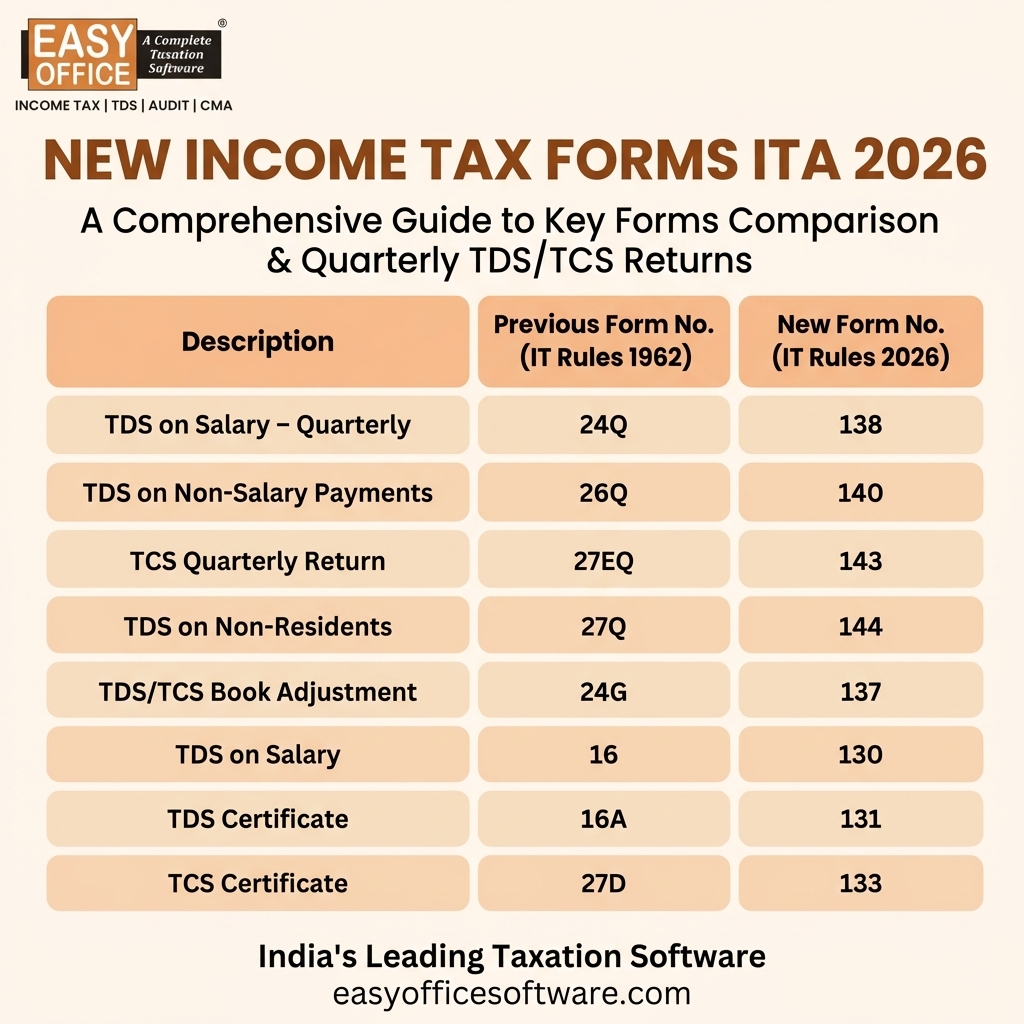
Foreign remittance and foreign tax credit
Form 15CA and 15CB still handle payments to non-residents with New Form No. 145 & 145 (IT Rules 2026); no surprises there. The reporting mechanism continues under the proposed rules.
Form 67 continues for claiming foreign tax credits with New Form No. 44 (IT Rules 2026).
Here’s what’s new: a new form has been introduced for the intimation of settlement of foreign tax disputes where credit was not claimed earlier (Form No. 45 - IT Rules 2026).
Donation reporting and PAN applications
Form 10BD and Form 10BE are still in use for reporting donations with New Forms 113 & 114 (IT Rules 2026). Now, they referred to Section 354 under the new Act.
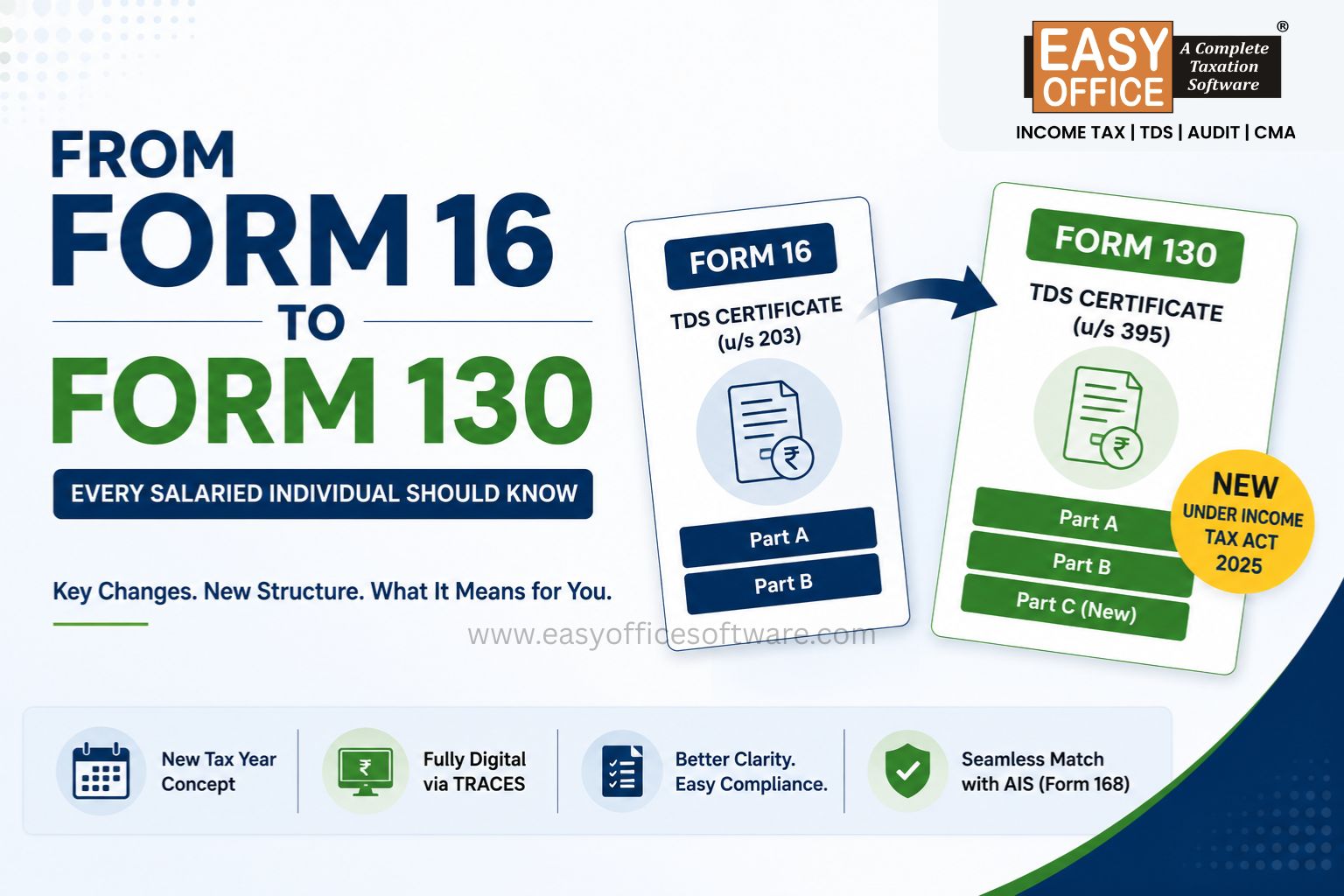
PAN application Forms 49A and 49AA replaced by New Forms 93 & 94.
New forms introduced for valuation
There are two new forms now:
- Application for registration as a Valuer
- Report of valuation of Asset
These didn’t exist under the 1962 Rules. So, the 2025 Act is clearly pushing for broader compliance in this area.
Smarter and simplified forms for 2026-27
CBDT has rolled out redesigned forms to support:
- Pre-filled data
- Automated reconciliation
- Centralized processing
- Standardized disclosures
They’ve merged common information fields, so you won’t have to repeat the same details over and over. This streamlines ITR filing for individuals and taxpayers in 2026-27. Along with this, the CBDT has shared mapping guides to help professionals navigate from the old rules to the new ones, making the transition smoother.
📌 Quick Link :
Navigator Income Tax Rules 2025
Navigator Income Tax Forms 2025
Policy intent behind the reform
The reform reflects three clear policy objectives:
1. Reduce litigation through clarity
2. Leverage technology for compliance
3. Lower compliance burden
The new rules show how participatory governance functions. The early release allows industry partners submit their organized feedback before the final announcement.
The consultation period ends on 22 February 2026.
What’s changing for professionals filing ITR in 2026-27
Professionals must prepare for:
- Updated section references across New Forms
- New valuation reporting requirements
- Modified audit mapping
- TDS compliance under revised sections
- Higher system-driven validations
Manual tracking will increase error risk. The current situation requires organizations to implement structured digital systems. The new regime requires validation and reconciliation to be performed through system-based methods.
The selection of trustworthy ITR filing software guarantees compliance with the latest regulations and required documentation.
Advanced ITR filing software helps map disclosures to the correct sections and eliminates the possibility of submitting incorrect information. ITR filing software becomes essential for enterprises that conduct audits, handle TDS, foreign remittances, and valuation activities.
Key compliance dates
- Income tax Act 2025, effective from 1 April 2026
- Draft rules consultation closes: 22 February 2026
- Online feedback utility live from: 4 February 2026
Professionals should prepare before the AY/FY 2026-27 filing season begins to avoid last-minute system and validation challenges.
Early preparation will help avoid last-minute system and validation challenges during AY 2026-27 filings
Conclusion
The draft Income tax Rules 2026 create a major structural change that enables tax compliance through new requirements. Rules are fewer. Forms are fewer. Language is clearer. Technology integration is stronger.
The 2026-27 return process needs professionals to begin their work through proper preparation. The current form requires users to understand new document sections and updated form structures.
Ready to file smart?
EasyTax by EasyOFFICE Software stands as the top ITR filing software, which handles new regulations and simple forms with its advanced capabilities.
Start your filing process today by visiting EasyOFFICE Software. Stay compliant with confidence using reliable ITR filing software.
Income Tax Rules 2026, New Tax Forms, Draft Income Tax Rules, CBDT Updates, Tax Compliance India, Income Tax Act Update, Form Renumbering
Related Blogs

All in one Software
- Income Tax Software
- TDS & TCS Software
- Audit e-filing Software
- CMA Data Software

















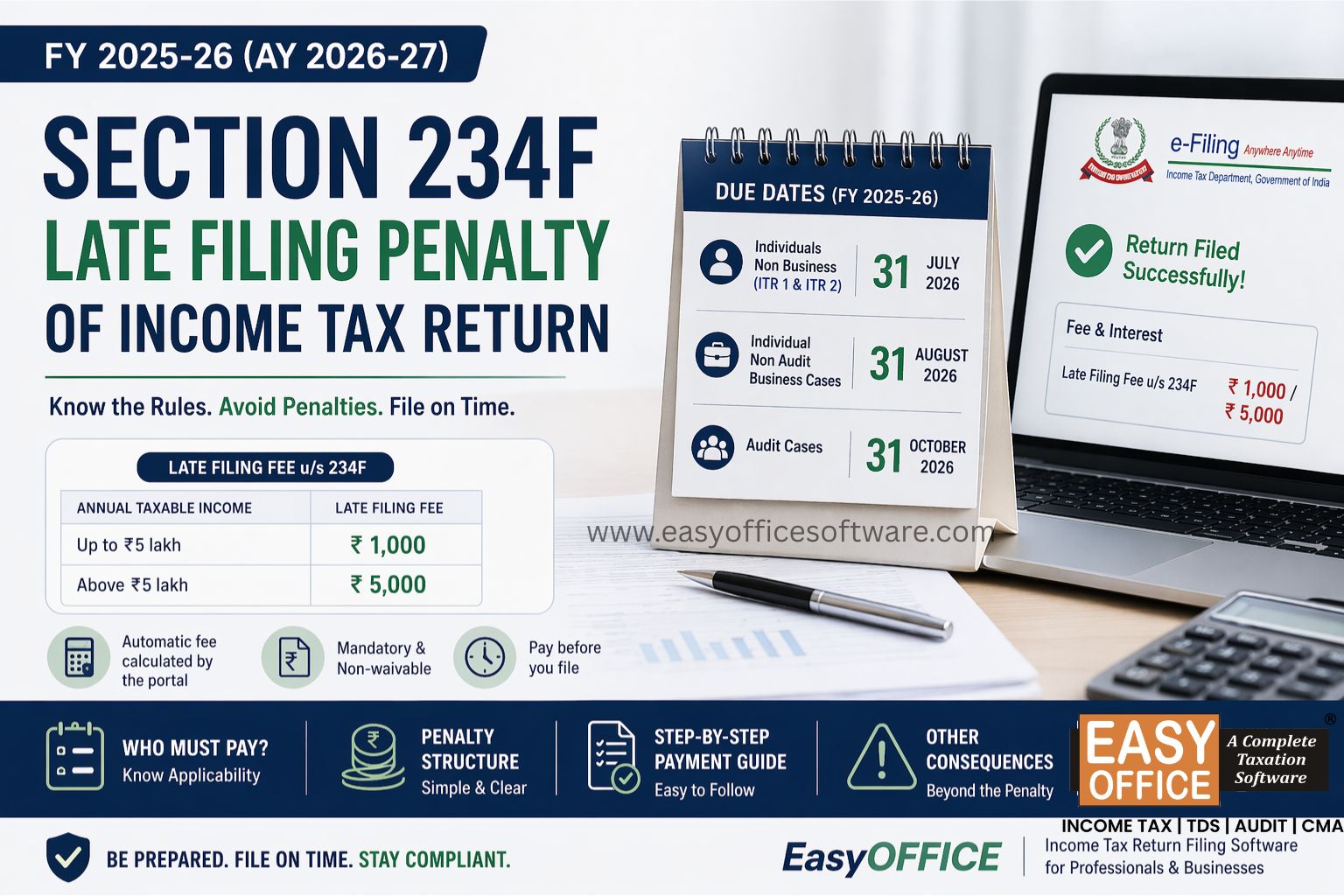
Penalty for Late Filing of Income Tax Return for FY 2025-26 – Section 234F of Income Tax Act 1961
#ITR