You finish your financial year plans, thinking there is plenty of time. July feels far away. The beginning of tax season begins when the first bank statements, AIS data, deductions, and regime choices come together.
Suddenly, the deadline is approaching, and one wrong step can result in future penalties or missed savings. The process of filing Income Tax Returns for FY 2025-26 (AY 2026-27) requires taxpayers to establish their filing requirements through appropriate planning procedures and correct filing methods.
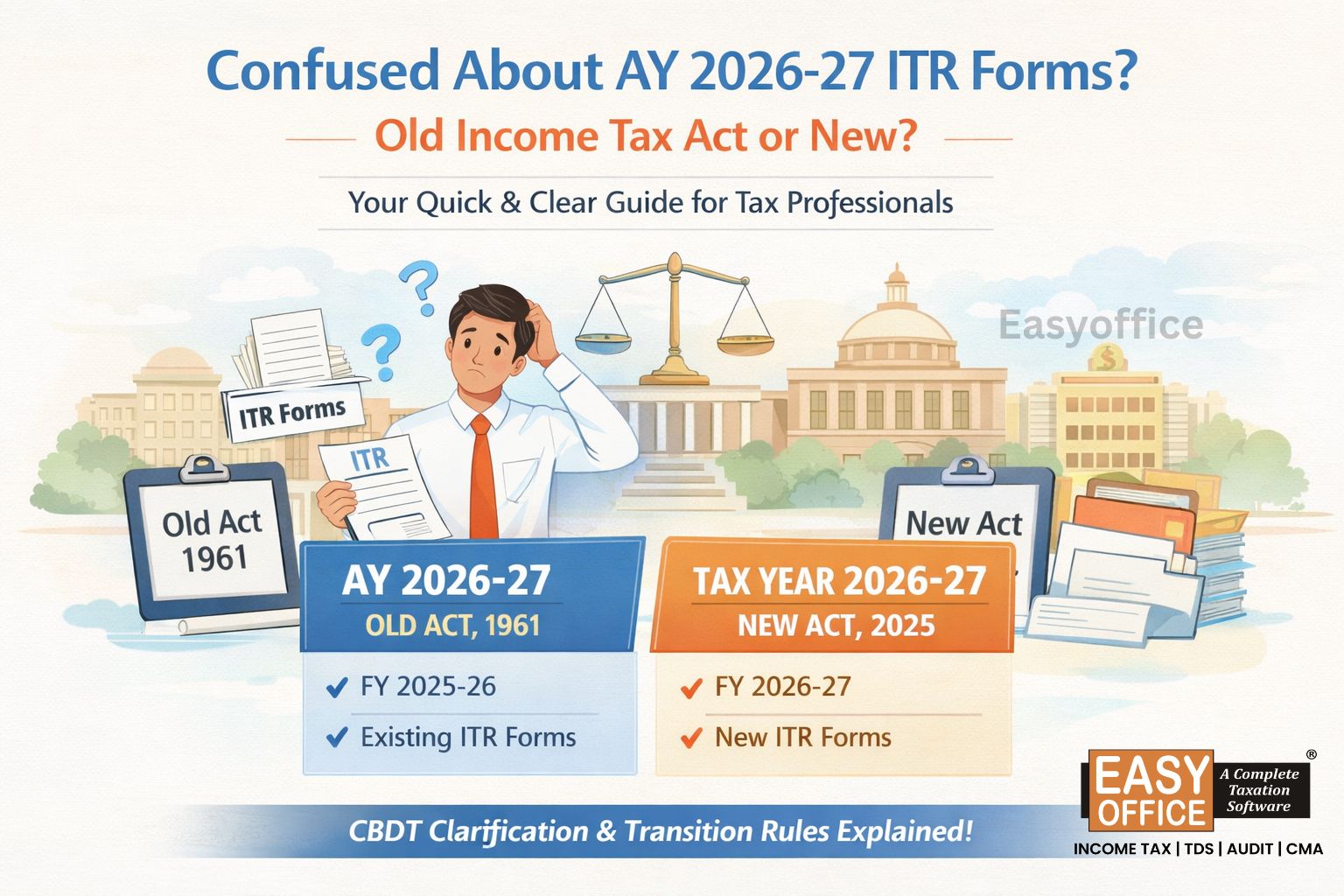
This guide explains the smart & correct way to file ITR in 2026-27, based strictly on Income Tax rules and Budget 2026 updates.
Income Tax filing deadlines you must know
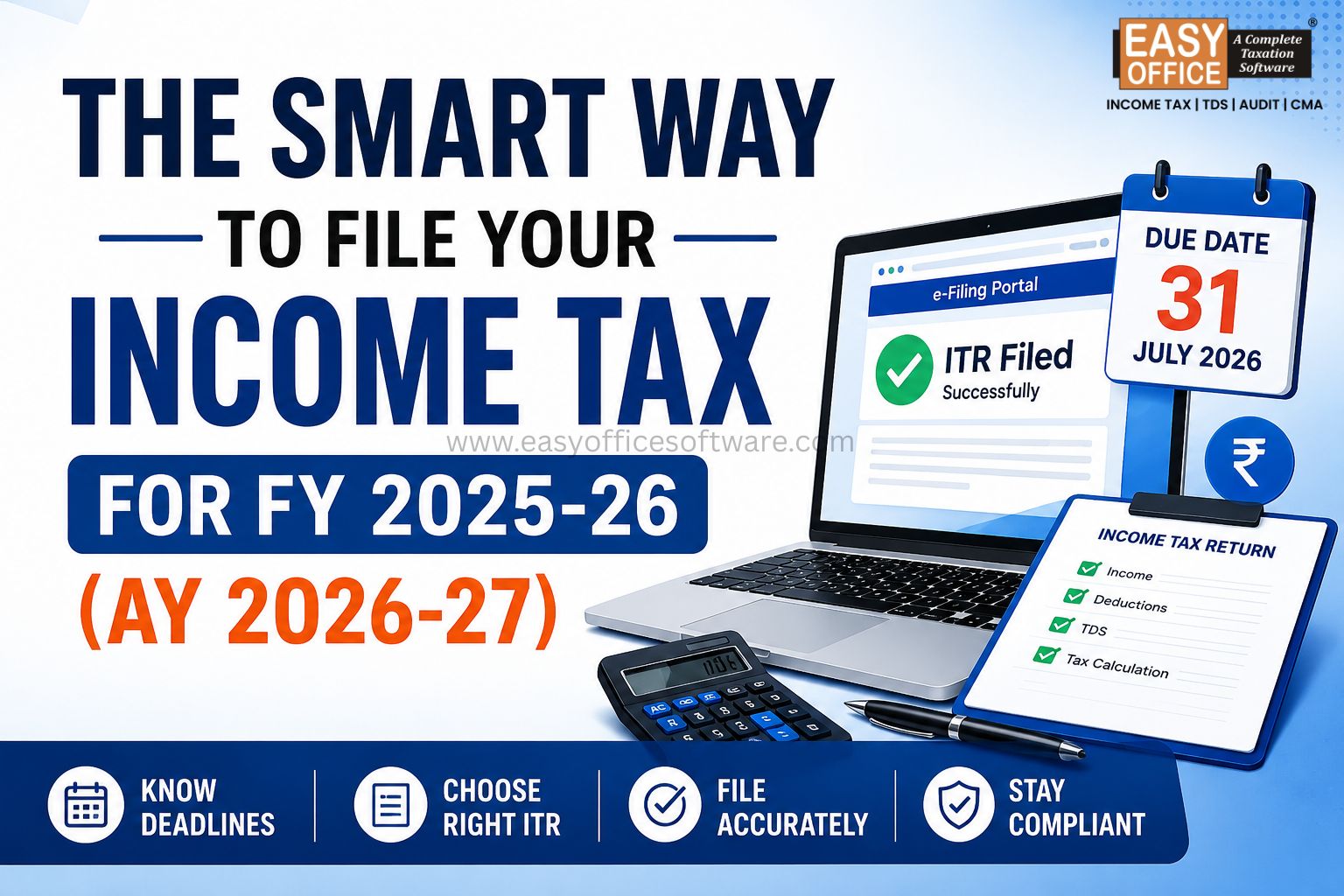
Financial penalties result from missing ITR deadlines. The due dates for FY 2025-26 are clearly defined.
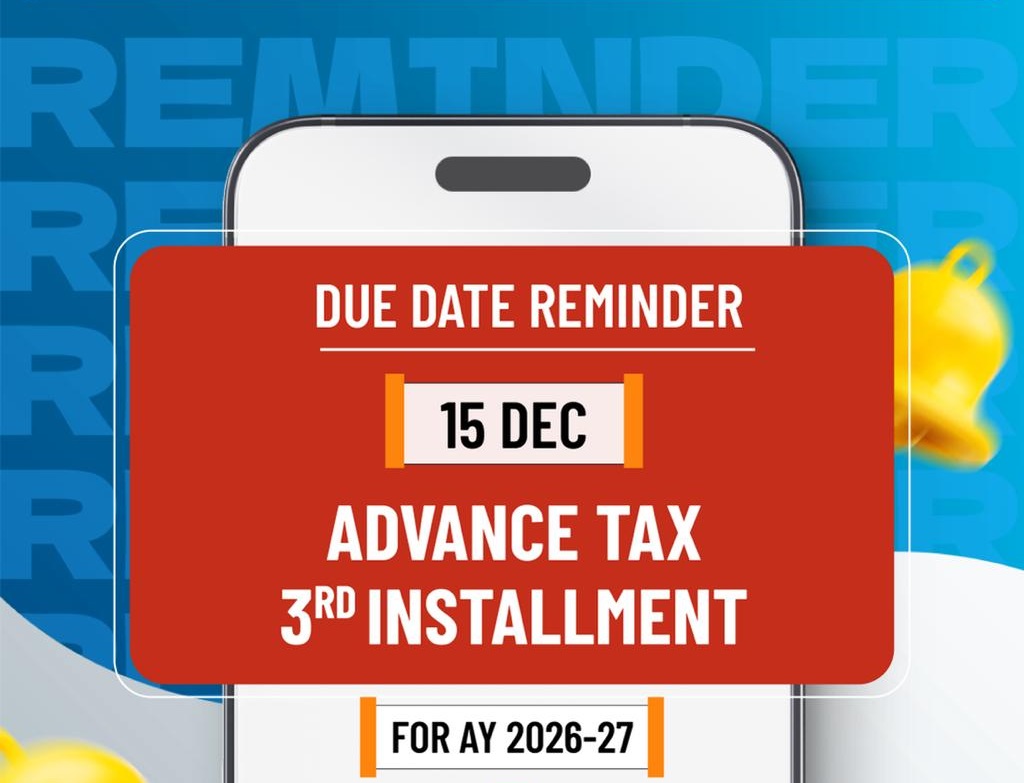
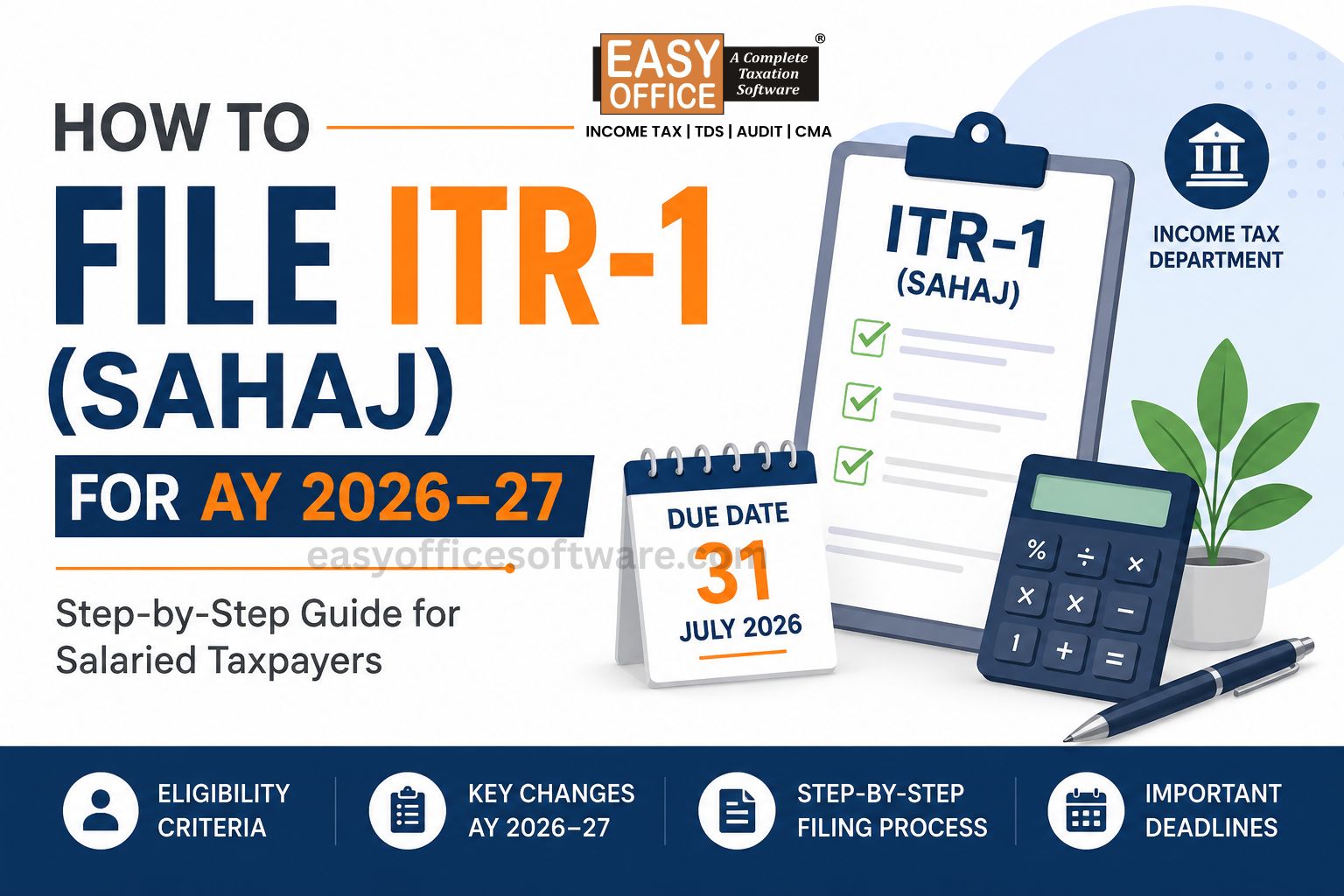
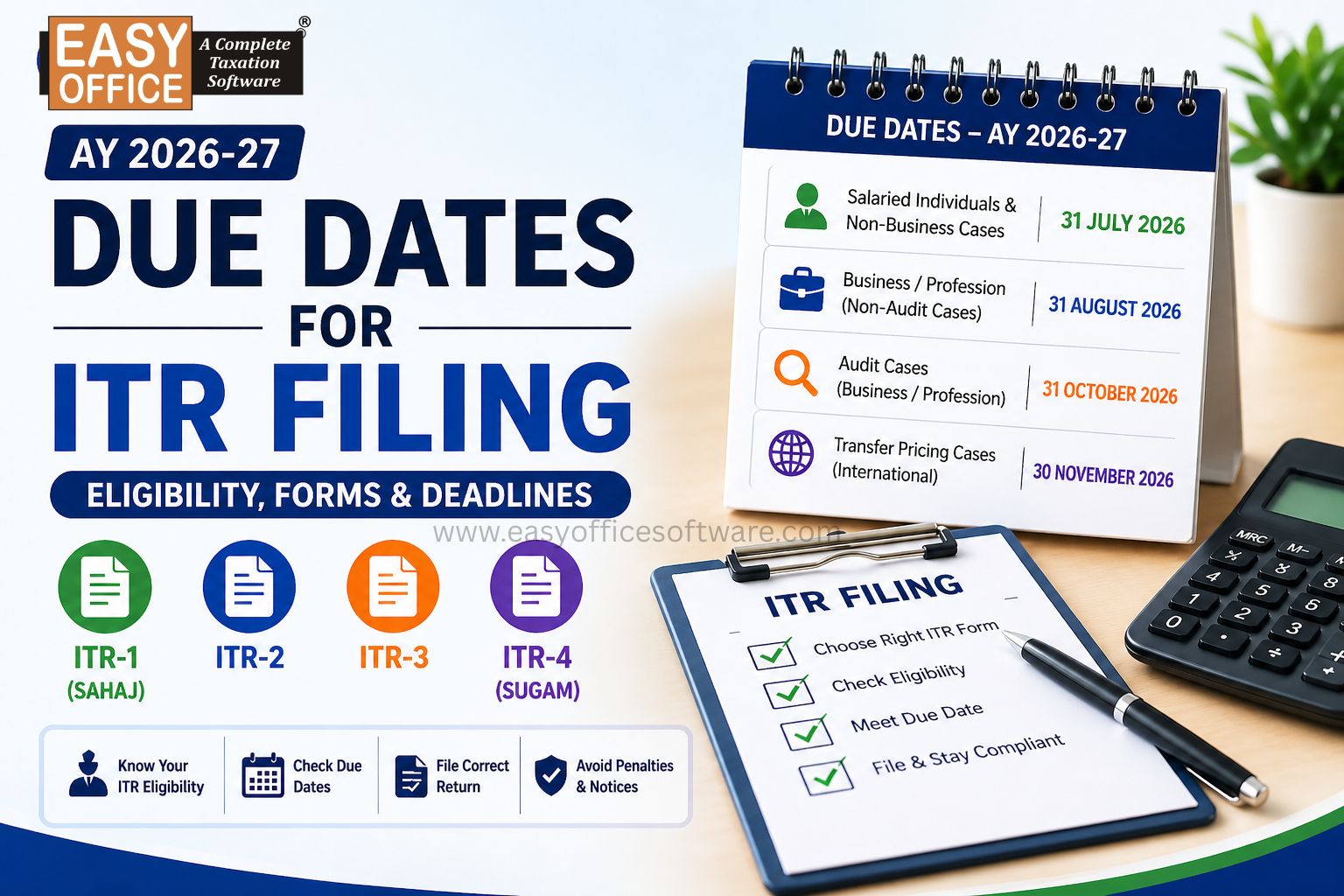
ITR filing due dates for AY 2026–27
| Taxpayer Category | Due Date |
|---|---|
| ITR-1 & ITR-2 (non-audit) | 31 July 2026 |
| ITR-3 & ITR-4 (non-audit) | 31 August 2026 |
| Audit cases | 31 October 2026 |
| Transfer pricing cases | 30 November 2026 |
| Belated return | 31 December 2026 |
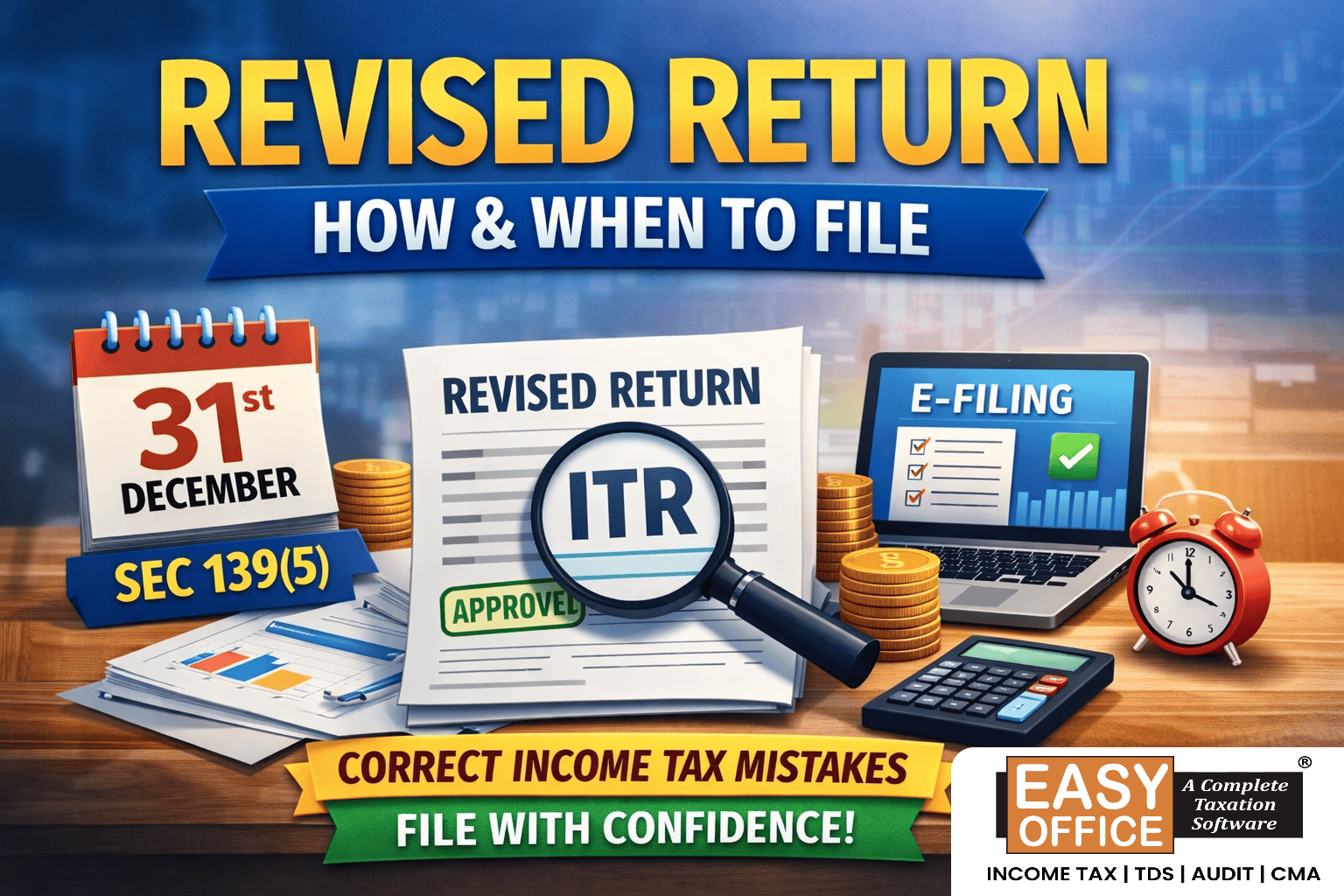
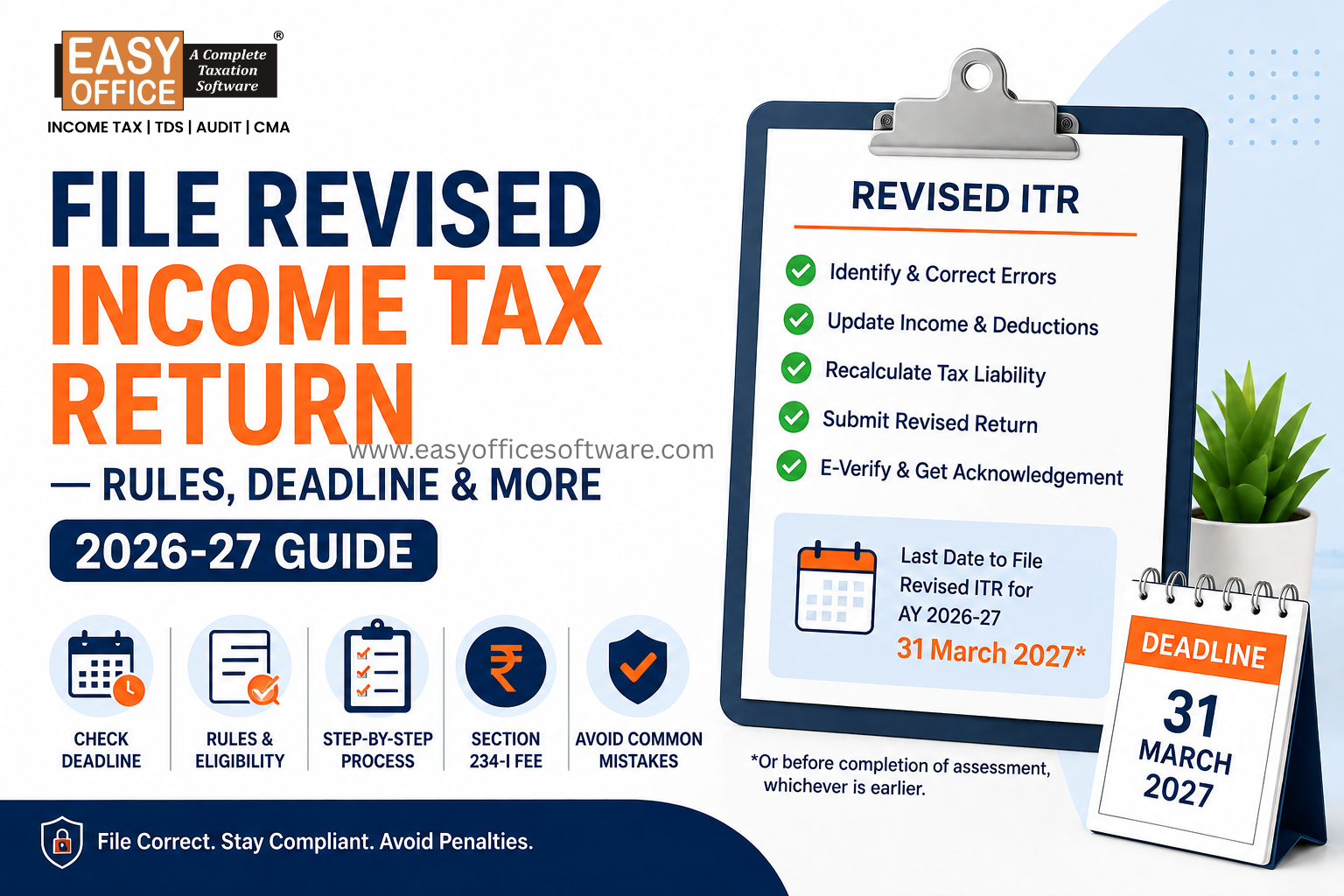
| Revised return | 31 March 2027 |
| Updated return | 31 March 2031 |
Budget 2026 extended the revised return deadline to 31 March, providing taxpayers with more time to correct any mistakes.
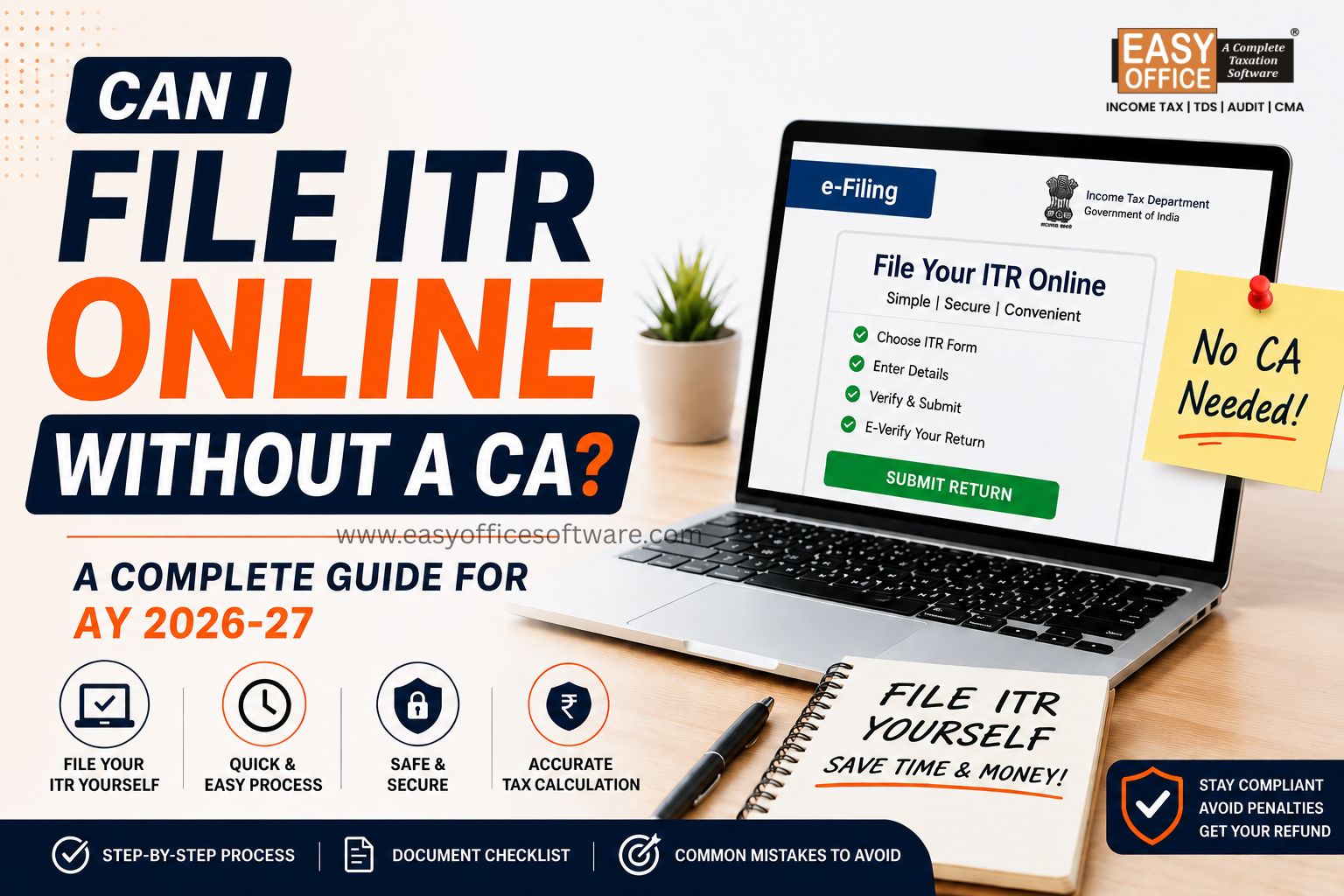
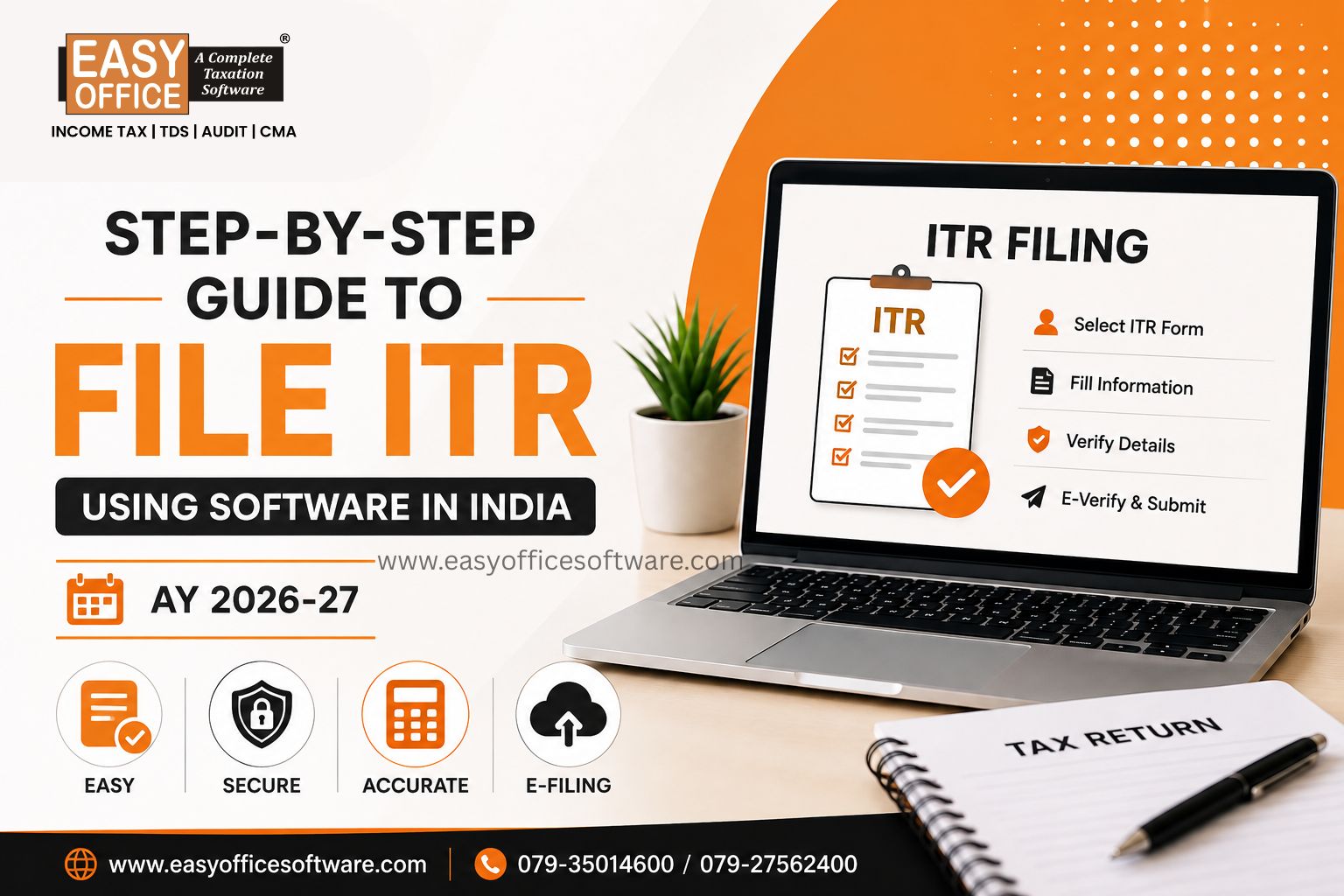
8 Easy Steps to E-File Your ITR Online
Here’s how to file your return smartly for FY 2025-26 using the Income Tax e-filing portal:
1. Log in to the e-Portal
Visit incometax.gov.in and log in using your PAN as User ID and your password.
2. Start ITR Filing
Go to: e-File > Income Tax Returns > File Income Tax Return.
3. Choose the Correct Assessment Year
Select AY 2026-27 for income earned in FY 2025-26. Choose between "Original" or "Revised Return."
4. Select Your Status
Options of Assessee Status include Individual, HUF or Others. Most salaried taxpayers will choose Individual.
5. Choose the Right ITR Form
There are seven ITR forms. Choose the appropriate one to file the ITR correctly.
Summary of Income Tax Return Forms and Their Applicability (AY 2026-27)
Knowing which ITR form applies to you is very important to file correctly. Here is a brief guide:
ITR-1 (Sahaj):
For an individual resident with income not exceeding ₹50 lakh by way of salary, income from two house property, Capital gain u/s 112A up to ₹1.25L and income from other sources (like interest or dividend). The same cannot be returned by a director or holder of unlisted equity shares.
ITR-2:
For individuals and HUFs not have income from business or profession.
ITR-3:
For individuals and HUFs having income from a business or profession.
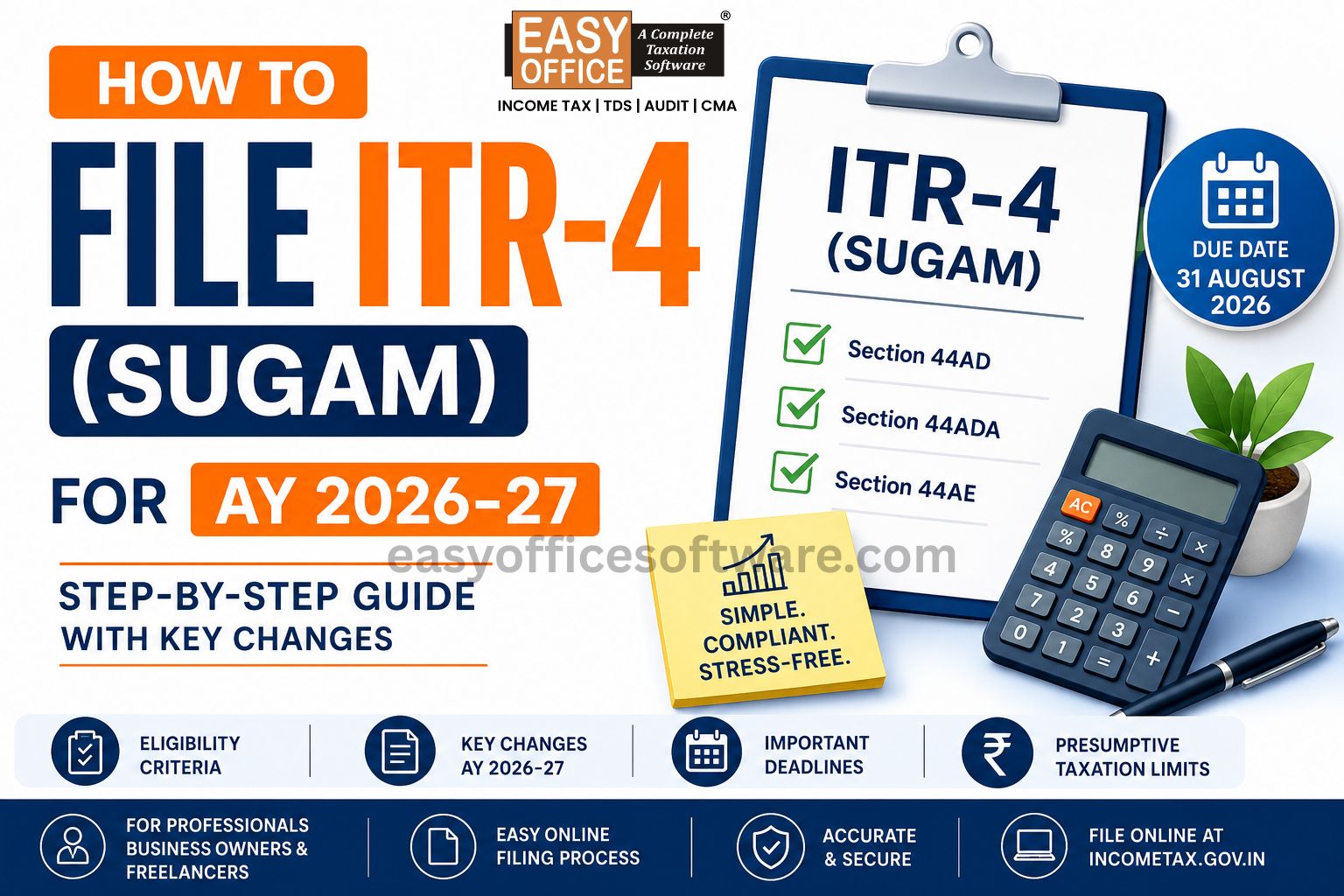
ITR-4 (Sugam):
For resident individuals, HUFs and firms (other than LLPs) whose total income does not exceed ₹50 lakh and income is computed under the tax regimes of sections 44AD, 44ADA, or 44AE & Capital gain u/s 112A up to ₹1.25L. The same cannot be returned by a director or holder of unlisted equity shares.
ITR-5:
For entities other than individuals, HUFs, companies, and persons filing ITR-7.
ITR-6:
For companies other than those claiming exemption under Section 11.
ITR-7:
For persons, including companies, required to file a return under section 139 (4A), 139(4B), 139(4C), or 139(4D).
6. Specify Reason for Filing
Choose one of the following:
- Taxable income exceeds the basic exemption limit
- Other mandatory filing criteria met
- Filing voluntarily for a refund or documentation
7. Review and Validate All Details
Verify pre-filled details:
- Salary income from Form 16
- Interest income
- Deductions (80C, 80D, etc.)
- TDS from Form 26AS/: Make corrections if necessary. Confirm and compute any additional tax payable.
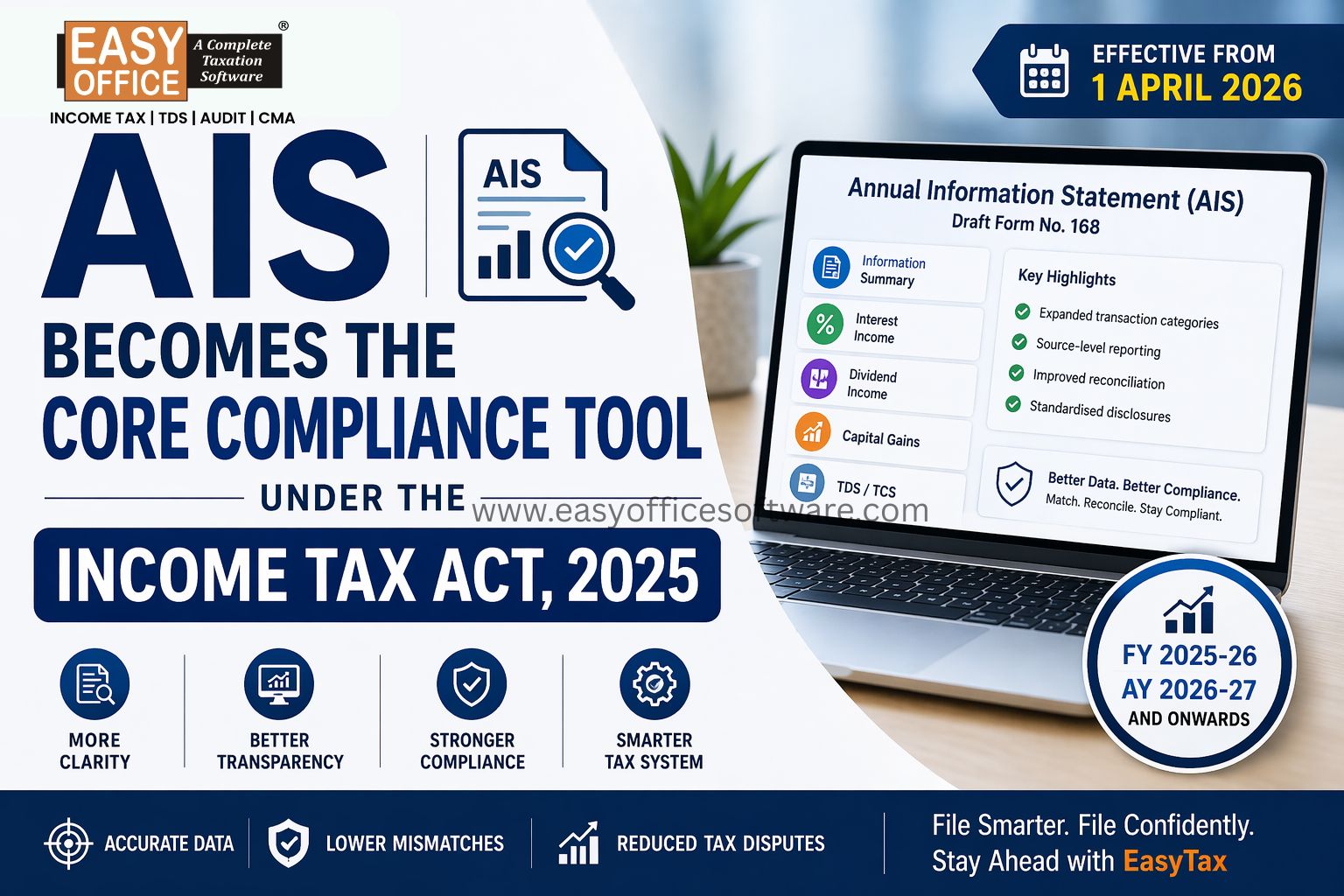
- Income Comparison with AIS/TIS
8. E-Verify Your Return
Must be done within 30 days of submission. Use:
- Aadhaar OTP
- Net Banking
- EVC via bank
- Send a signed ITR-V to CPC Bengaluru (offline option)
Can you file ITR after the due date?
Yes, but with consequences.
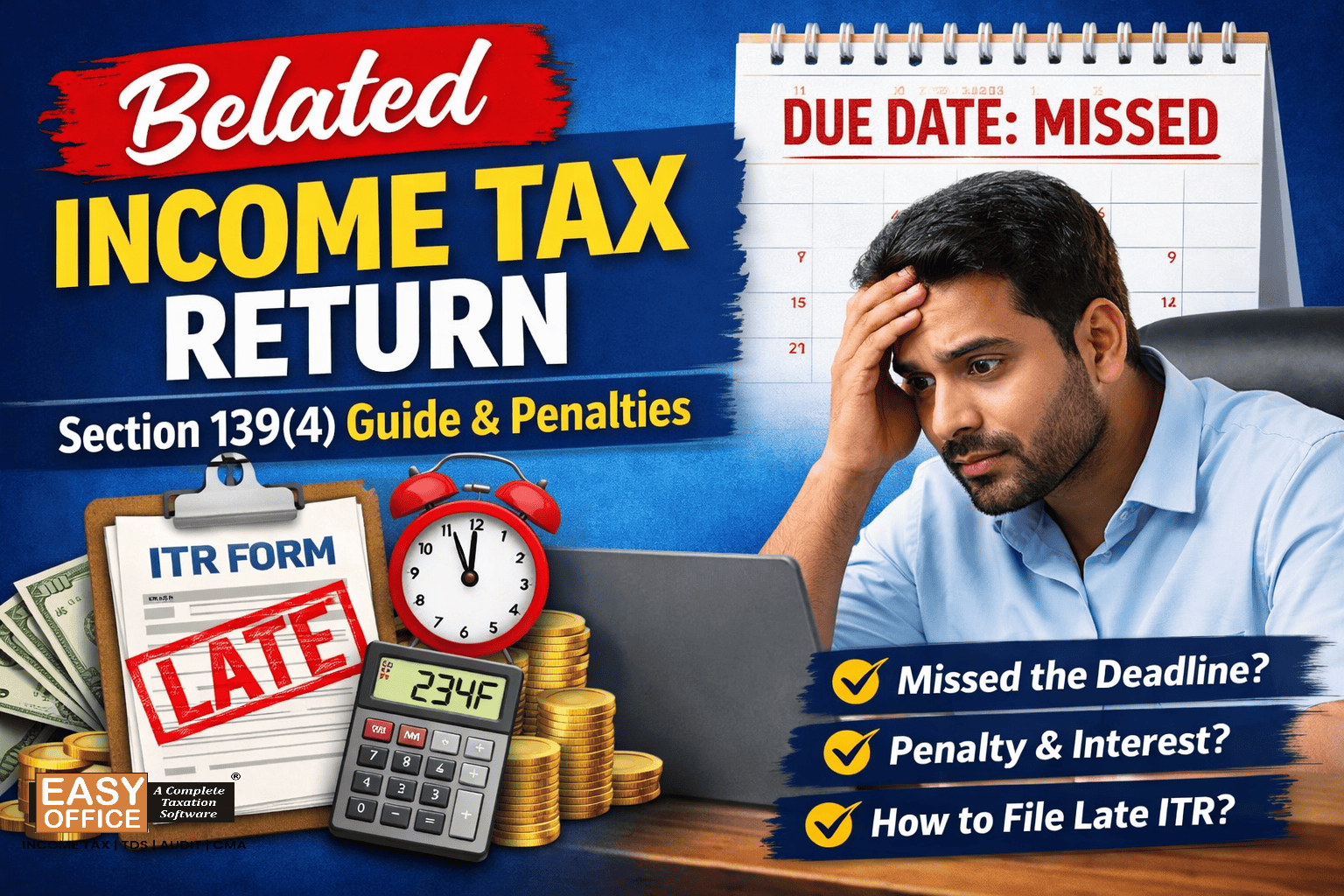
The belated return procedure allows you to file until 31 December 2026 after you miss your first deadline. The situation incurs interest charges together with late payment fees.
The updated return process allows users to submit their return within four years after their original deadline (end of Assessment year).
However, additional taxes and penalties apply, and no extra deductions can be claimed.
What if your ITR has errors?
Mistakes happen. The law allows corrections through a revised return. The revised return process allows you to file corrections when you forget income, claim incorrect deductions, and choose an incorrect tax regime.
For FY 2025–26 (AY 2026-2027), revisions are allowed until 31 March 2027. The process for submitting an revised return differs from an original return.
The process is designed to handle incomplete disclosures, but not to handle additional benefit requests. The document remains unchanged after its initial version.
New tax regimes
For FY 2025-26, no slab changes were announced in Budget 2026.
New tax regime slabs for AY 2026-27 (Individual & HUF)
| Income Slab | Tax Rate |
|---|---|
| Up to ₹4,00,000 | Nil |
| ₹4,00,001 to ₹8,00,000 | 5% |
| ₹8,00,001 to ₹12,00,000 | 10% |
| ₹12,00,001 to ₹16,00,000 | 15% |
| ₹16,00,001 to ₹20,00,000 | 20% |
| ₹20,00,001 to ₹24,00,000 | 25% |
| Above ₹24,00,000 | 30% |
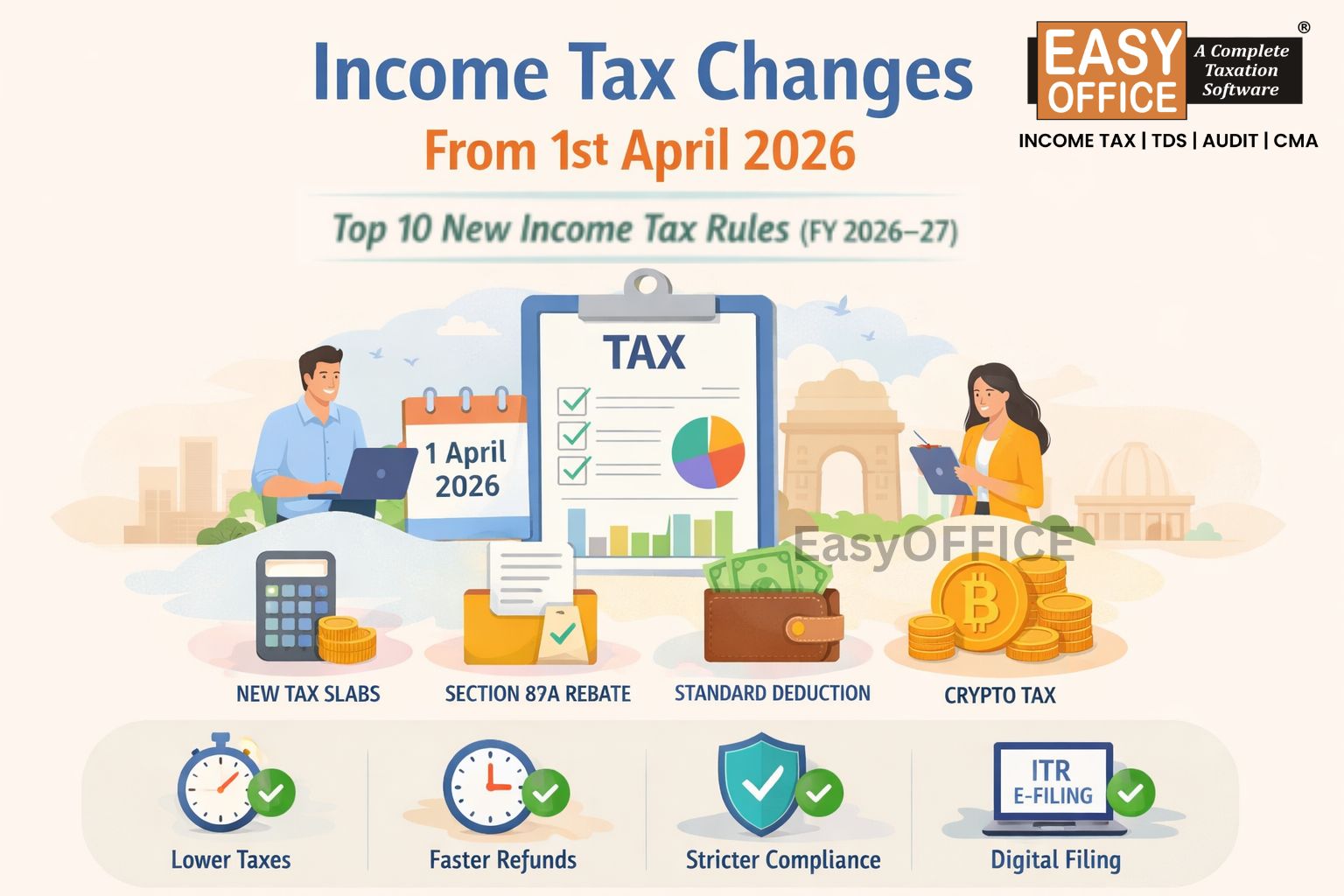
The Section 87A rebate provides a tax exemption for income that reaches ₹12 lakh or below. Standard deduction allows salaried taxpayers to earn tax-free income up to ₹12.75 lakh.
Smart practices for ITR filing in 2026–27
- Reconciliation between AIS and Form 26AS should begin before July.
- The tax regime should be determined before the filing process begins.
- The verification of capital gains, dividend income, and interest requires special attention as these areas frequently lead to mistakes.
- To prevent website traffic problems, taxpayers should submit their returns before the due date.
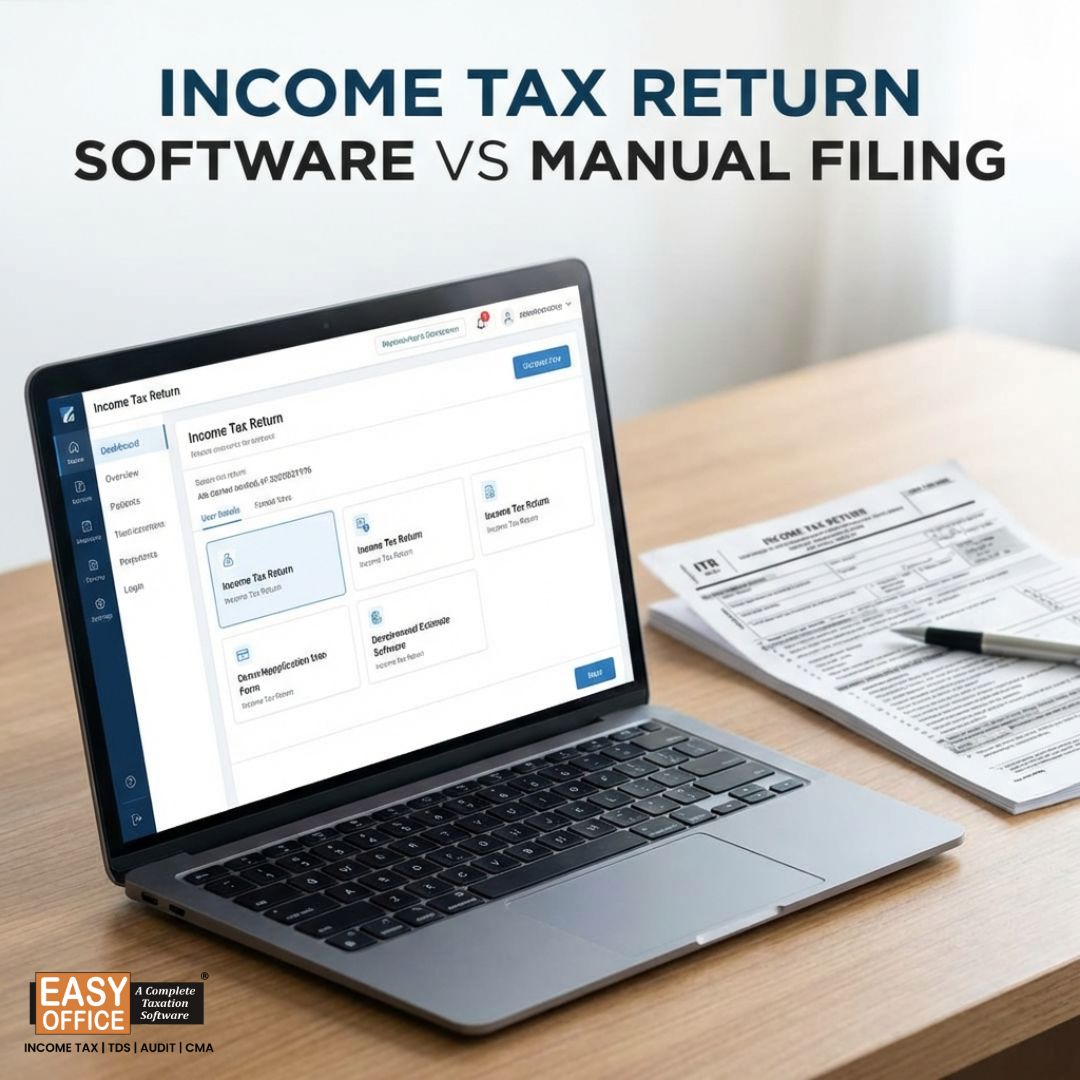
- Use a structured digital filing process, such as income tax filing software, instead of manual calculations.
Final Words
Filing Income Tax Returns in AY 2026-27 is about accuracy, timing, and informed tax options. Deadlines are clear, penalties are strict, and data validation is tighter than before. A systematic approach will lead to financial savings, time efficiency, and reduced operational pressure.
Want to become a smart taxpayer through your upcoming tax filing?
EasyOFFICE – Income Tax Software, enables you to begin your financial year while taking control of your finances through its software. EasyOFFICE offers professionals a straightforward way to handle their tax calculations, validation processes, and submission requirements under evolving rules.
Install NOW to start filing today.

All in one Software
- Income Tax Software
- TDS & TCS Software
- Audit e-filing Software
- CMA Data Software







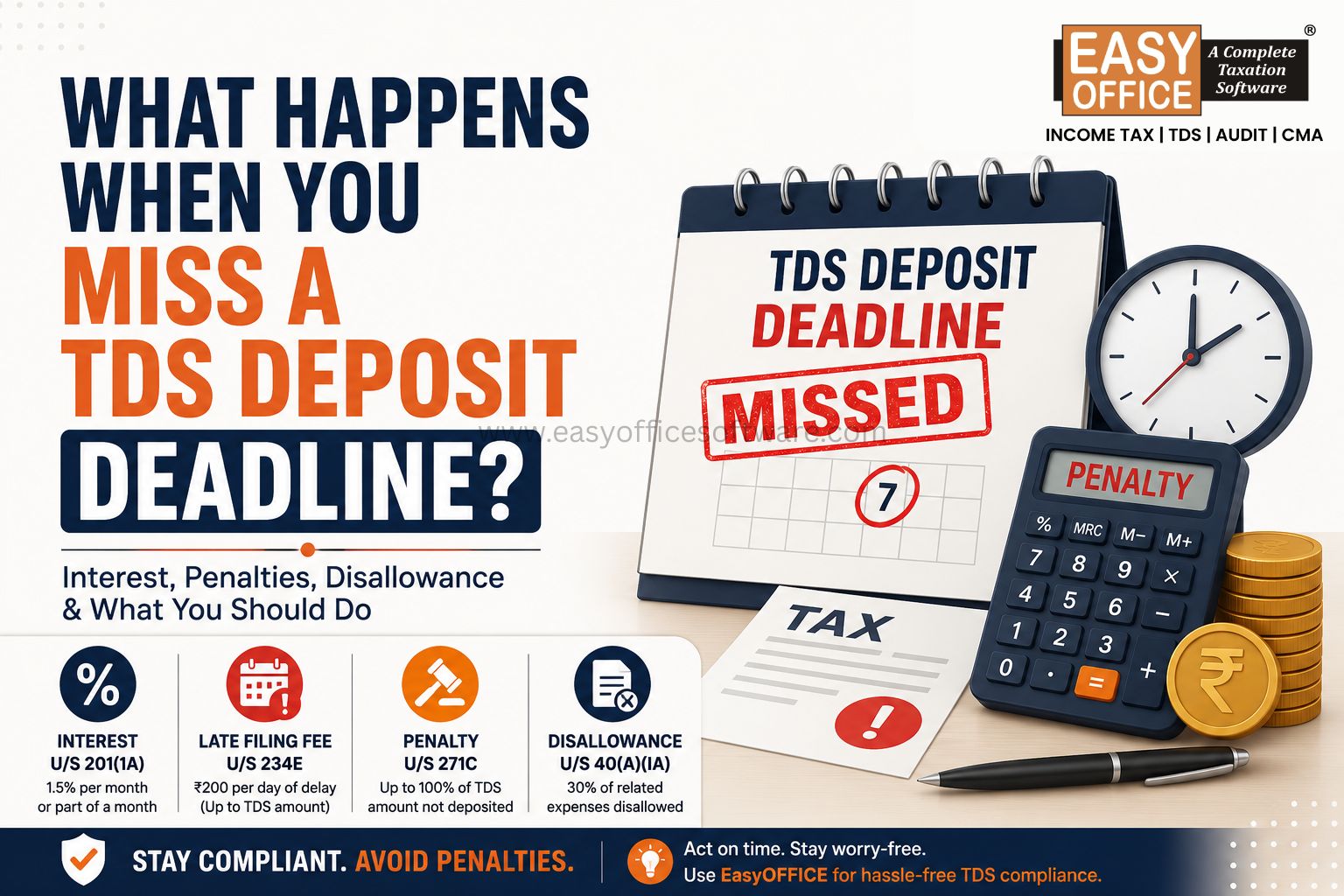

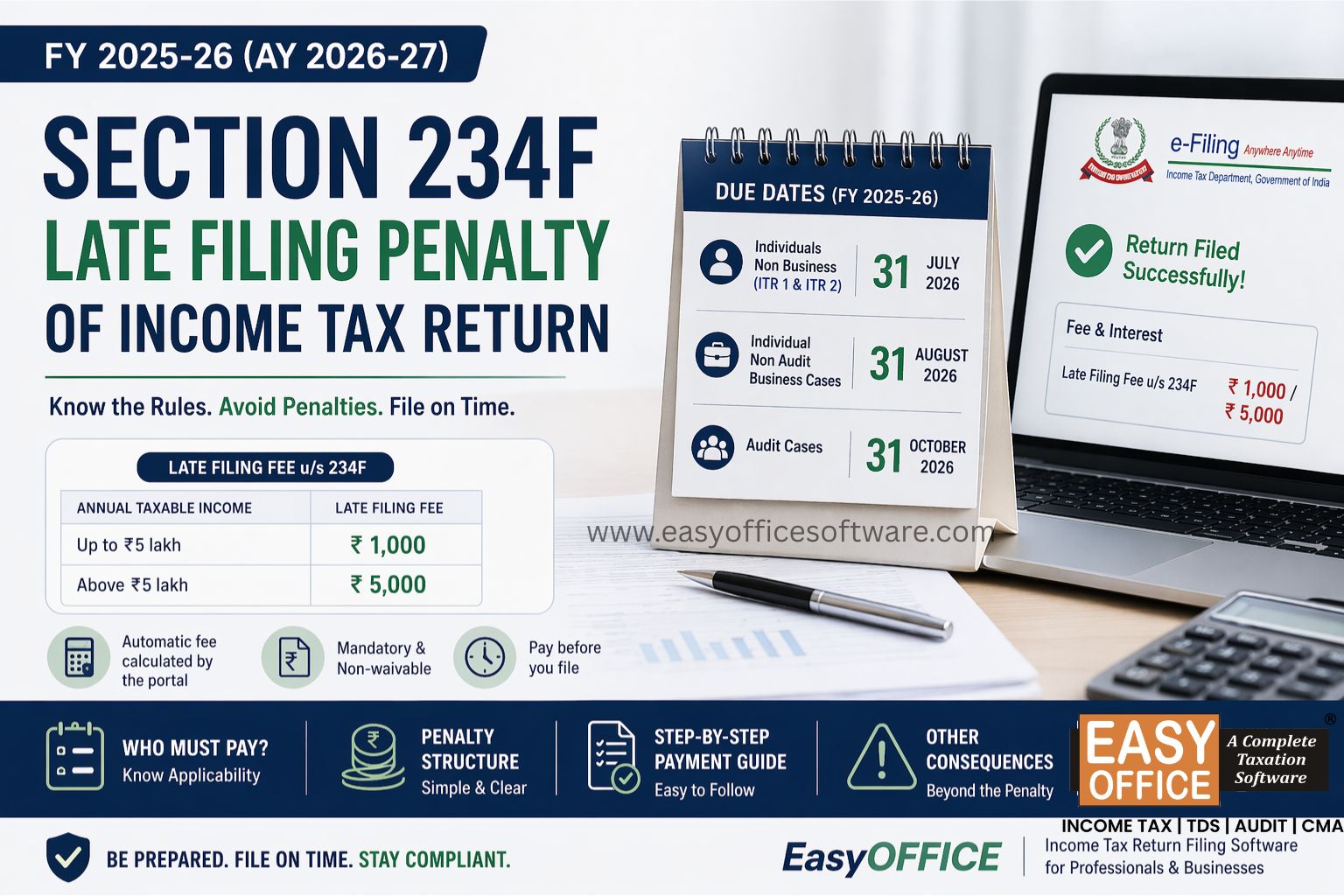
Penalty for Late Filing of Income Tax Return for FY 2025-26 – Section 234F of Income Tax Act 1961
#ITR