You log in to the income tax portal, ready to check your AIS before filing your return. But something’s different. The layout’s changed. There are new reporting fields, more transaction categories, and everything looks bigger and sharper. More clarity. More responsibility on you.
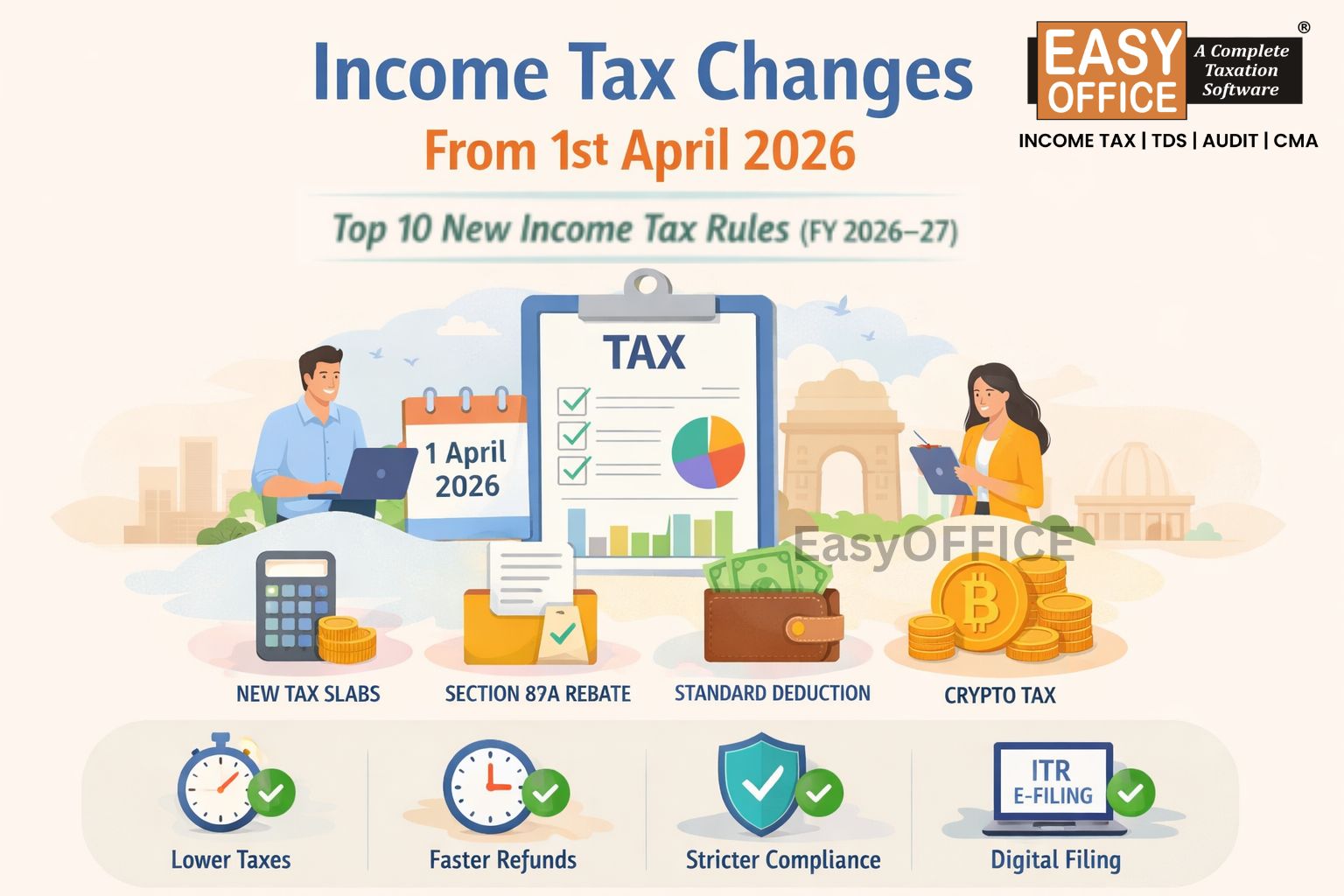
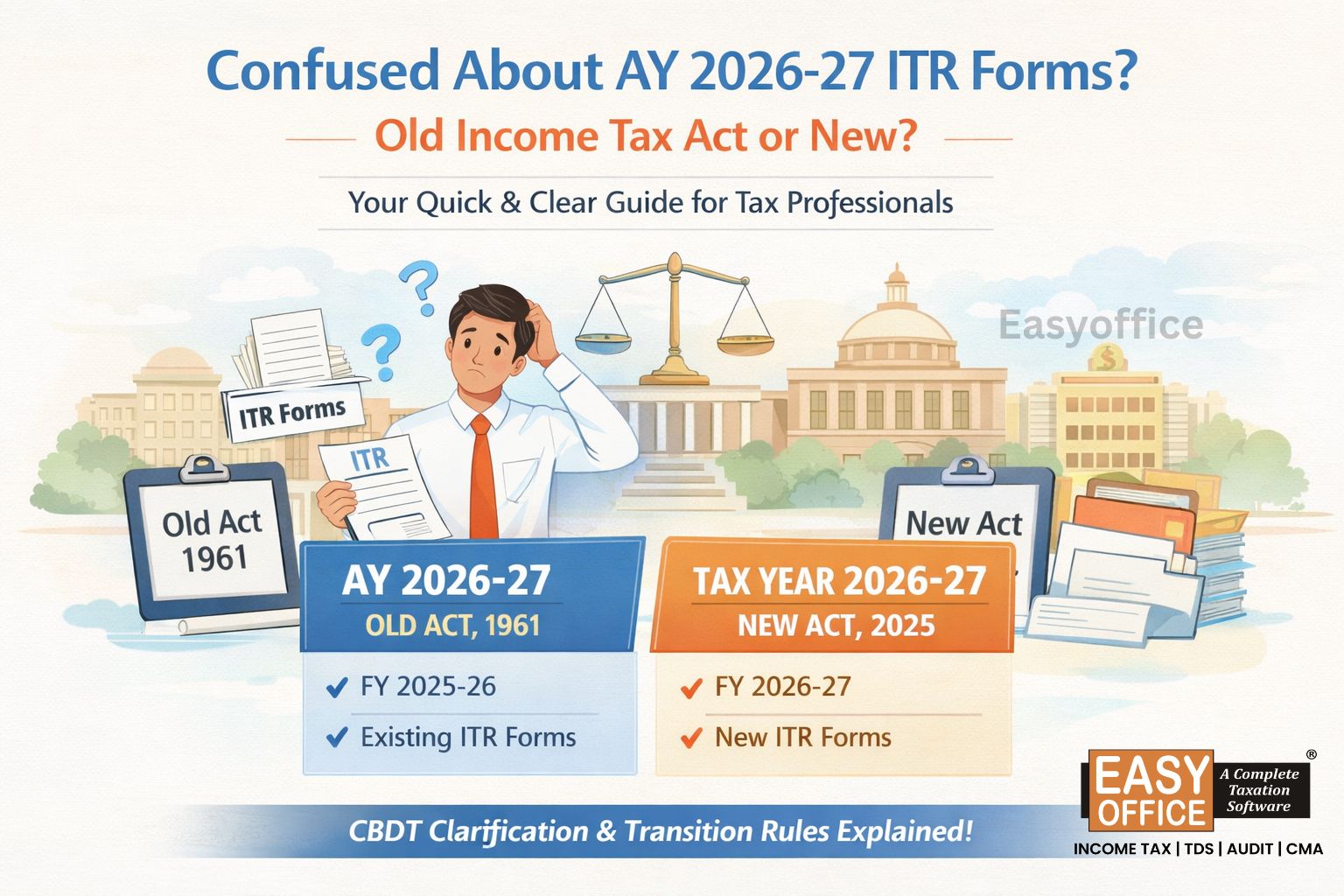
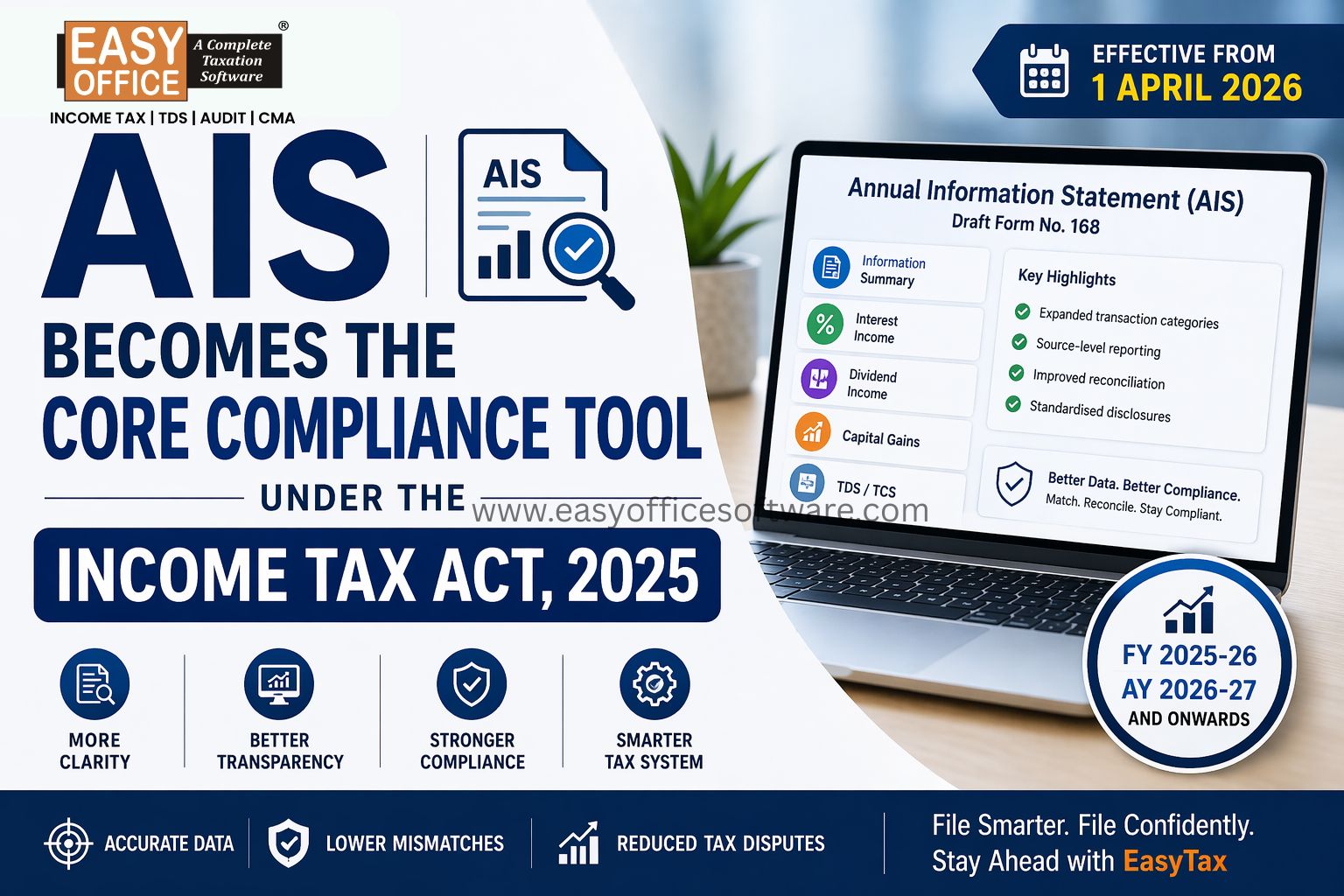
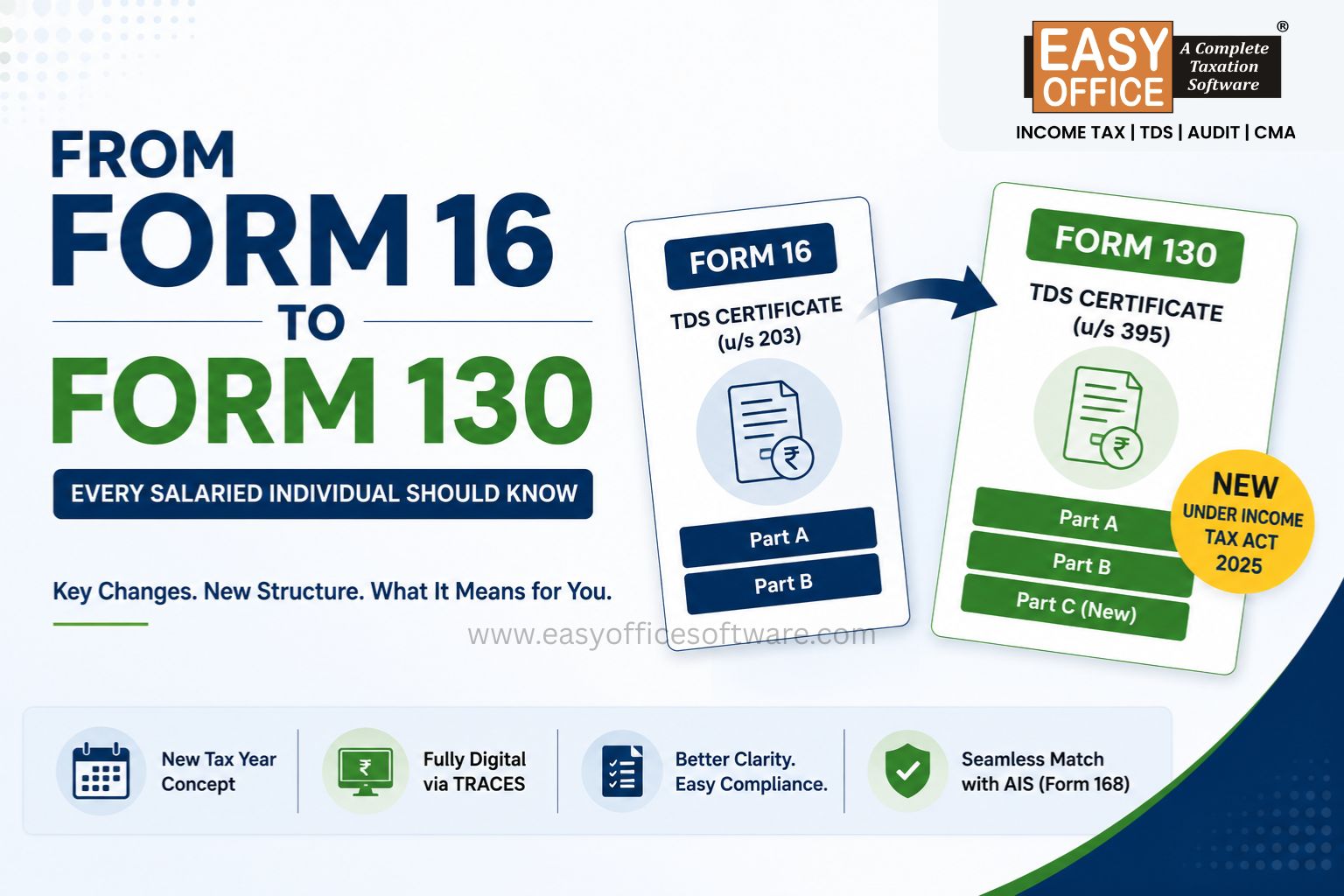
This isn’t a glitch. It’s the start of a new era under the Income Tax Act, 2025, which kicks in from April 1, 2026. The Central Board of Direct Taxes (CBDT) has rolled out a draft of the new Annual Information Statement (AIS), now called Draft Form No. 168.
The goal? Make reporting more organized, more transparent, and easier to trace for FY 2026-27 (Tax Year 26-27) and onwards.
What is changing in AIS under Draft Form No. 168?
The AIS already gives you a clear summary of your financial transactions, like interest, dividends, trades, and TDS, all in one place. With this new draft, things get even stricter. The format has become more standardized and disclosure-driven.
Now, the AIS goes deep. It classify income in detail, tracks income sources, and builds a clearer audit trail. Here’s what changes:
• Fewer mismatches between your return and reported data
• More clarity, especially for big-ticket transactions
• Better compliance checks
AIS will be a major player in scrutiny and automated tax assessments in 2026-27.
Why did the government revised AIS format
The Income Tax Act, 2025, is all about structured disclosures. The revised format forces all reporting entities to provide data uniformly.
It also means:
• Automated cross-checks
• Smarter risk profiling
• Faster processing
• Fewer tax disputes
AIS isn’t just an information summary anymore; it’s your main compliance dashboard.
Key structural features of the new AIS format
The final details are still being ironed out, but Draft Form No. 168 indicates better data segmentation and clearer categories.
Likely structural improvements
| Section | Purpose |
|---|---|
| Expanded transaction categories | Clear separation of capital gains, interest, and dividends |
| Source-level reporting | Identifies the exact reporting entity |
| Improved reconciliation layout | Easier matching with ITR schedules |
| Standardised disclosure format | Aligns with Income Tax Act, 2025 |
The big idea? Cut out the confusion.
Impact on income tax filing in 2026-27
If you’re a professional or business taxpayer, you’ll need to prepare for deeper data matching.
For FY 2026-27 (TY 2026-27), your tax return will hinge on how accurate your AIS is. Any mismatch between what you declare and what’s in the AIS? That’ll set off automatic alerts.
This matters most if you have:
• Capital gains from securities
• Dividend income
• Interest from lots of accounts
• High-value transactions
The new format puts system-driven validation. So, you’ll need to be sharp with your numbers. You can use our EasyOFFICE Income tax filing software that helps you in verifying your filing form with the AIS.
What must professionals and businesses do?
1. Check your AIS early, before you start filing.
2. Match up your Form 26AS and AIS—don’t just skim it, look for differences.
3. Go through your capital gains and TDS entries. Make sure they’re right.
4. If you spot any mistakes, fix them right away using the feedback tools.
5. Maintain reconciliation working papers for future scrutiny or assessment proceedings.
Ignoring mismatches in your AIS will increase your scrutiny risk.
Link with audit reporting reforms
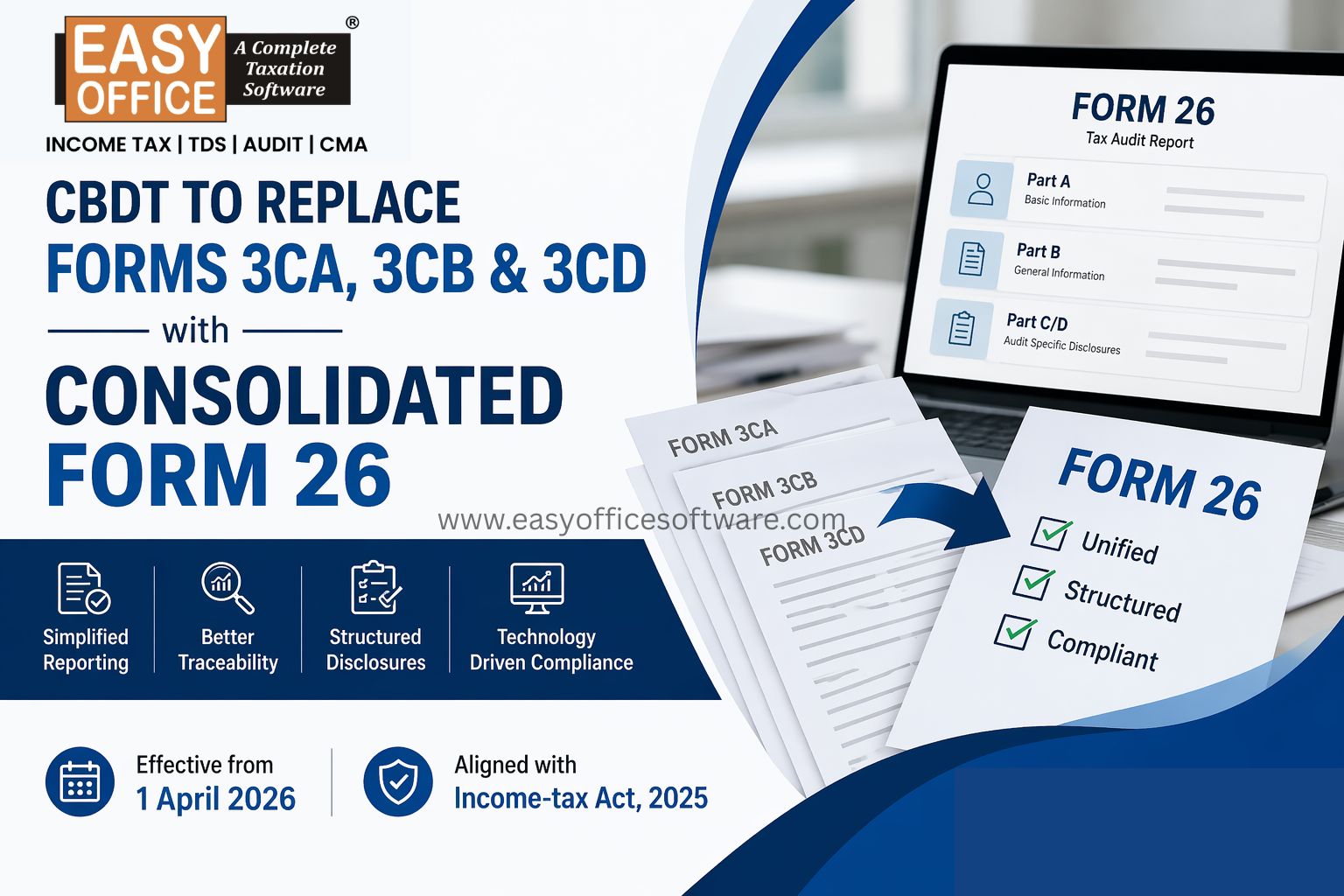
There’s also Draft Form No. 26 rolling out for audit reporting under the Income Tax Act, 2025. It’s not just paperwork; this goes hand in hand with the new AIS setup.
Form 26 focuses on structured audit disclosures. AIS puts all your transactions in order. Together, they’re building a compliance system that’s all about data matching and traceability.
Challenges taxpayers may face
i. Increased data volume
ii. Greater scrutiny on what you report as income
iii. You’ll have to stay consistent across every income head
iv. Higher compliance accuracy standards
Trying to keep up with all this manually in 2026-27? Honestly, that’s risky.
Why does tax filing software become important?
AIS is now a core part of validation, and automated reconciliation becomes important. Good tax filing software does the heavy lifting:
> Pulls in AIS data for you
> Checks your reported income against AIS
> Flags anything that doesn’t match
> Calculates your tax liability automatically
> Maps your income to the right schedules
With professional tax filing software like EasyOFFICE Income Tax Filing Software, you cut down on errors and lower your audit risk. In 2026-27, filing by hand or without reliable software can lead to omissions or inaccurate reporting.
Bottom Line
The revised AIS format under Draft Form No. 168 signals a strategic move for more transparency and compliance through tech. Taxpayers and professionals can’t just react at the last minute anymore. Proactive checks and reconciliation are the new normal.
If you want a smooth assessment in 2026-27, accuracy is everything. Manual tracking just won’t cut it.
Ready to file smarter with a trusted tax filing software? Use EasyTax, the best Income tax module of EasyOFFICE Software. It is the top choice among professionals who want accuracy and control. Head to EasyTax and get started.
Don’t leave compliance to chance. File the smart way with reliable tax filing software.
FAQs
1. What is AIS under Income Tax?
AIS is a report showing your financial transactions reported to the Income Tax Department.
2. Do you have to file AIS with your ITR?
No, you don’t file it separately. But you have to reconcile your return with AIS before filing.
3. Does AIS ever have errors?
Yes, it can. You can send feedback and corrections through the income tax portal.
4. Will the new AIS format mean more scrutiny?
The automated checks get tighter, but if reconciled properly, you can achieve accuracy.
5. When does the new structure start?
The revised structure aligns with the Income Tax Act, 2025. It will be effective from 1 April 2026.
Annual Information Statement, Draft Form 168, AIS format 2026, Income Tax compliance India, taxpayer transparency, Form 26AS renumbering, GST & Income Tax updates
Related Blogs




All in one Software
- Income Tax Software
- TDS & TCS Software
- Audit e-filing Software
- CMA Data Software




















Penalty for Late Filing of Income Tax Return for FY 2025-26 – Section 234F of Income Tax Act 1961
#ITR