What is an Income Tax Notice?
An Income Tax Notice is an official communication between the Income Tax Department and the taxpayer. ITD asking taxpayers for explanation/response of any discrepancies, missing information, overdue filings or unreported income - it requires a documented and timely response.
Note: October 1, 2019, the Central Board of Direct Taxes (CBDT) circular announces that every notice will have a unique Document Identification Number (DIN); if any notice is without a DIN, it will be considered invalid and can be challenged legally.
Why does the Income Tax Department send a Notice?
Several factors can trigger a notice from the Income Tax Department. The most common triggers are:
i. Late filing/Non filing of Income Tax Return (ITR)
ii. Mismatch between the TDS claimed in the Income Tax Return and the Form AIS/TIS
iii. Unreported Income
iv. Large financial transactions that cannot be justified by reported earnings
v, Filing an incorrect ITR form
vi. To verify deductions claimed
vii. No proper disclosure of Long-Term Capital gain from stock investment
viii. Missing legal documents
ix. Demand for Outstanding tax due
Major Types of Income Tax Notice according to
the Income Tax Act 1961:
1. Notice under section 139(9) for Defective Return:
This type of notice is issued when the Income Tax Department finds the return to be defective/invalid. This can happen due to missing information, incorrect tax calculation or mismatches found. 15 days are given by the department to rectify the defect.
2. Notice under section 142(1) for Inquiry before Assessment:
Section 142(1) notice is issued under two circumstances
i. When the assessing officer wants some additional information or documents (If return is filed)
ii. Or you have not filed your return
This additional information helps officer to make a fair judgment.
3. Notice under section 143(1) for Intimation:
Notice under section 143(1) is most common received notice; it is not a notice but an intimation. It is sent after the ITR is filed, to inform the taxpayer of any adjustments, refund or additional tax demand. Sction 143(1) notice is issued within 9 months from the end of the financial year in which return is filed.
4. Notice under section 143(2) for Scrutiny Assessment:
Notice under section 143(2) is issued when the assessing officer wants a detailed inspection of your return against earlier intimation issued u/s 143(1), so that the he can be assured that you have not understated your income, claimed heavy losses or paid less tax. Notice is issued within 3 months from the end of the financial year in which return was filed.
5. Notice under section 148 for Income Escaping Assessment:
When the assessing officer believes that the assessee has unreported income or not filed return even required, then a notice under section 148 is issued subject to Section 148A procedure. Notice can be issued up to 3 years from the end of the relevant assessment year in specified cases.
6. Notice under section 156 for Demand Notice:
After determining that an assessee has outstanding tax, interest or penalty, the Income Tax Department issues a demand notice and the assessee has to pay a specified amount within 30 days of receiving notice. Assessee has the option to file rectification or appeal against it.
7. Notice under section 245 for Adjustment of Refund against Demand:
If there is an outstanding demand from the previous year and also eligible for the current year refund then notice under section 245 is issued before adjusting your refund against old demand.
How to Verify Income Tax Notice Authenticity:
It is important for every assessee who received an income tax notice to verify the authenticity of the notice.
1. Login to the income tax e-filing portal
2. Under ‘quick links’, click on ‘Authentic Notice Issued by ITD’ or you can login and check e-proceedings section
3. Authenticate using Document Identification Number (DIN)
4. An OTP will be received. Enter the OTP
5. Once OTP is validated, it will display the notice along with the date of issue
6. If no notice is issued, then ‘No record found’ will be displayed
🔔 Continue Reading: Income Tax Notice – A Complete Guide (Part-2)
Understanding the types of income tax notices is only the first step. The real challenge begins when you need to respond correctly and within the prescribed deadlines.
In Part-2 of this complete guide, you’ll learn:
✅ How to reply to each income tax notice online
⏰ Notice-wise response deadlines
⚠️ Penalties and consequences of late or incorrect responses
🧾 Best practices to avoid repeat notices in future
👉 Read next: Income Tax Notice – A Complete Guide (Part-2): Reply Process, Deadlines & Penalties
Related Blogs


All in one Software
- Income Tax Software
- TDS & TCS Software
- Audit e-filing Software
- CMA Data Software








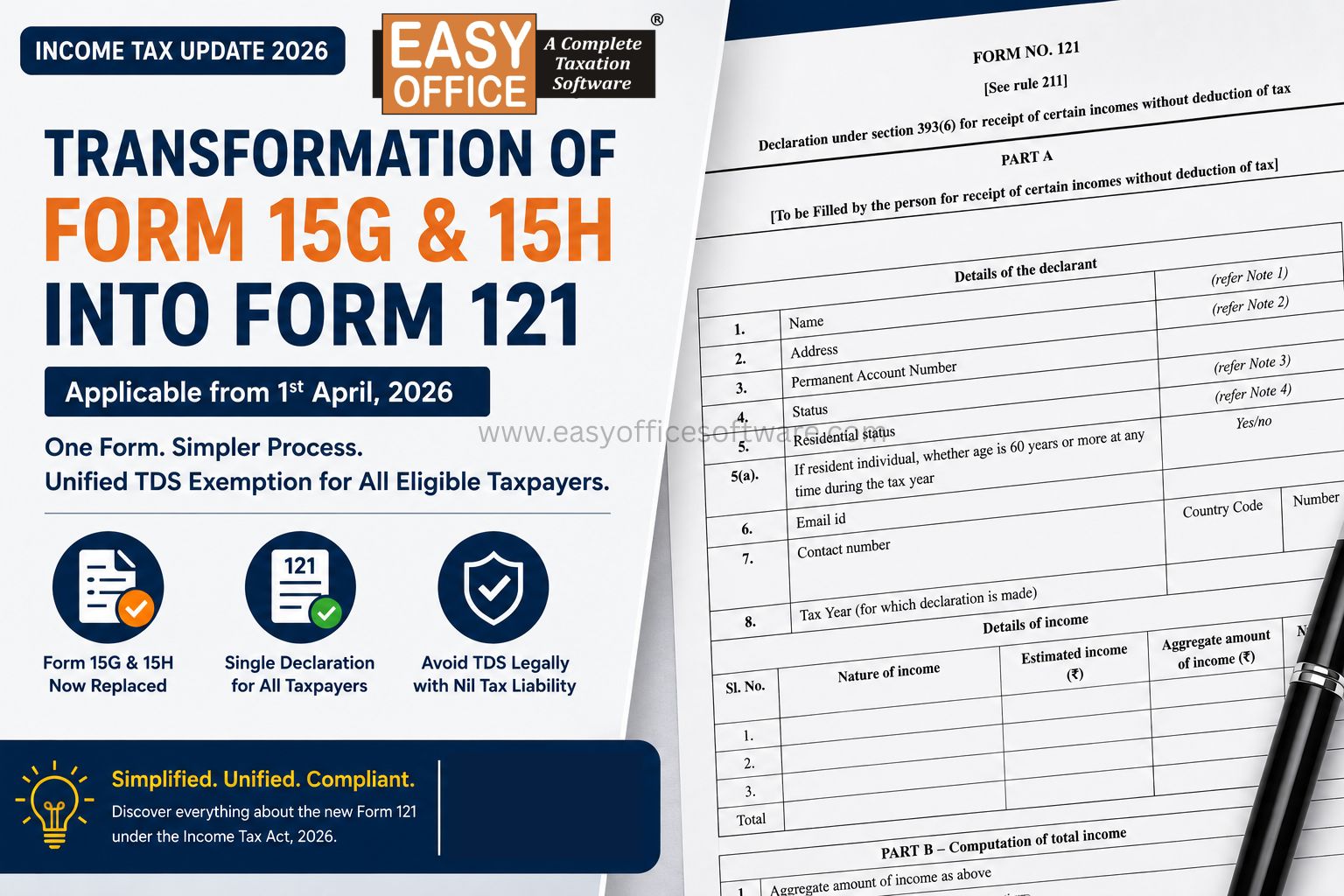
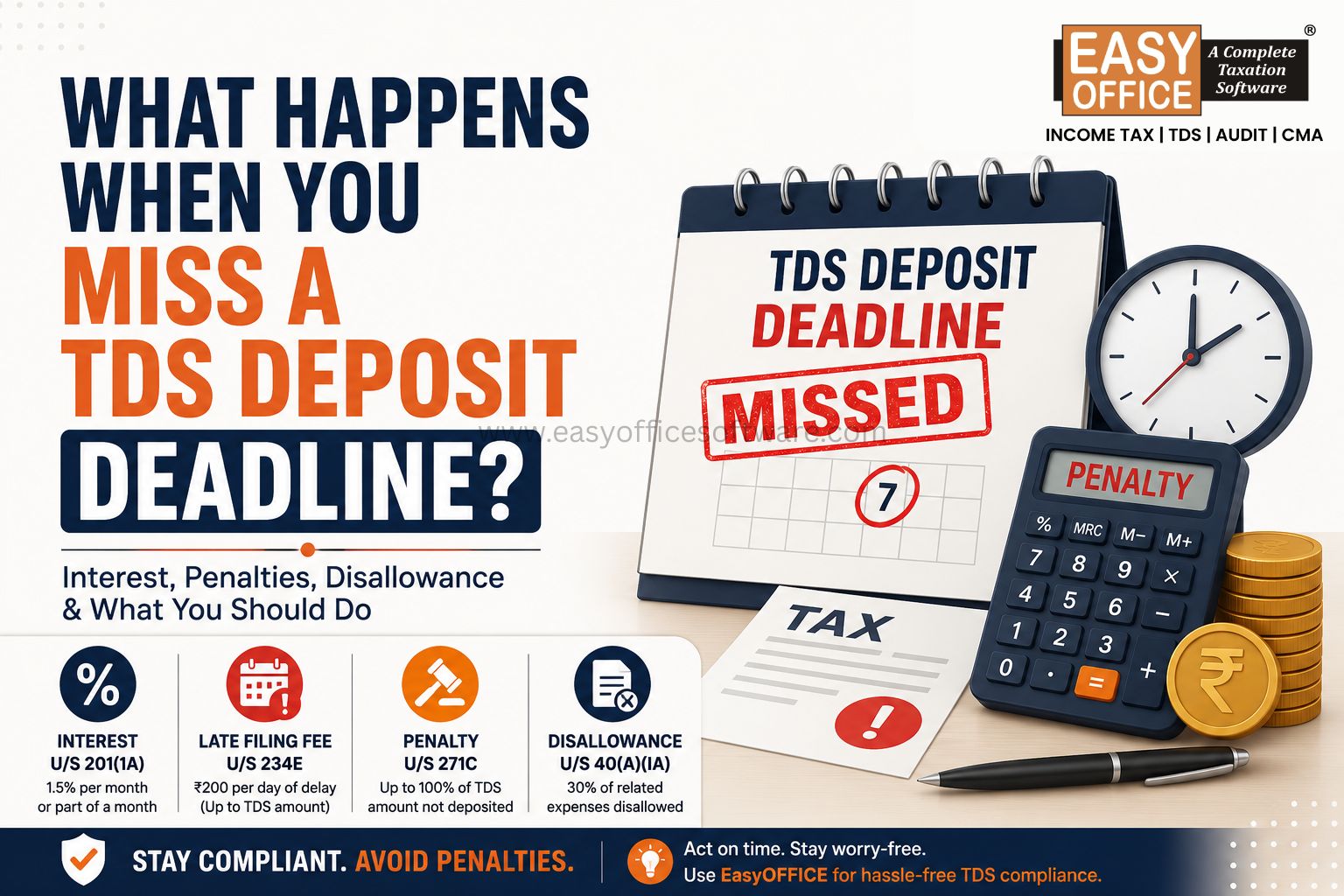

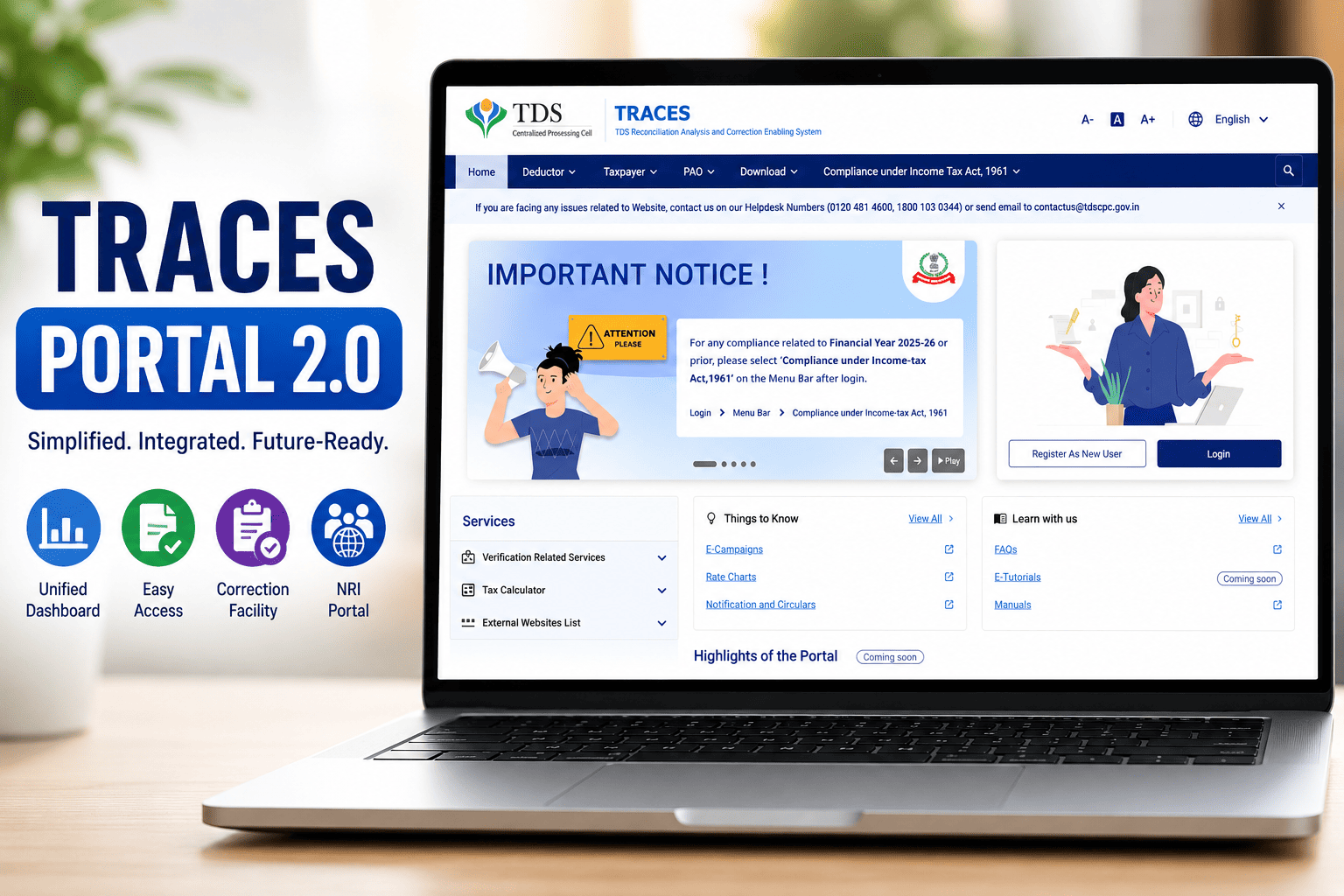
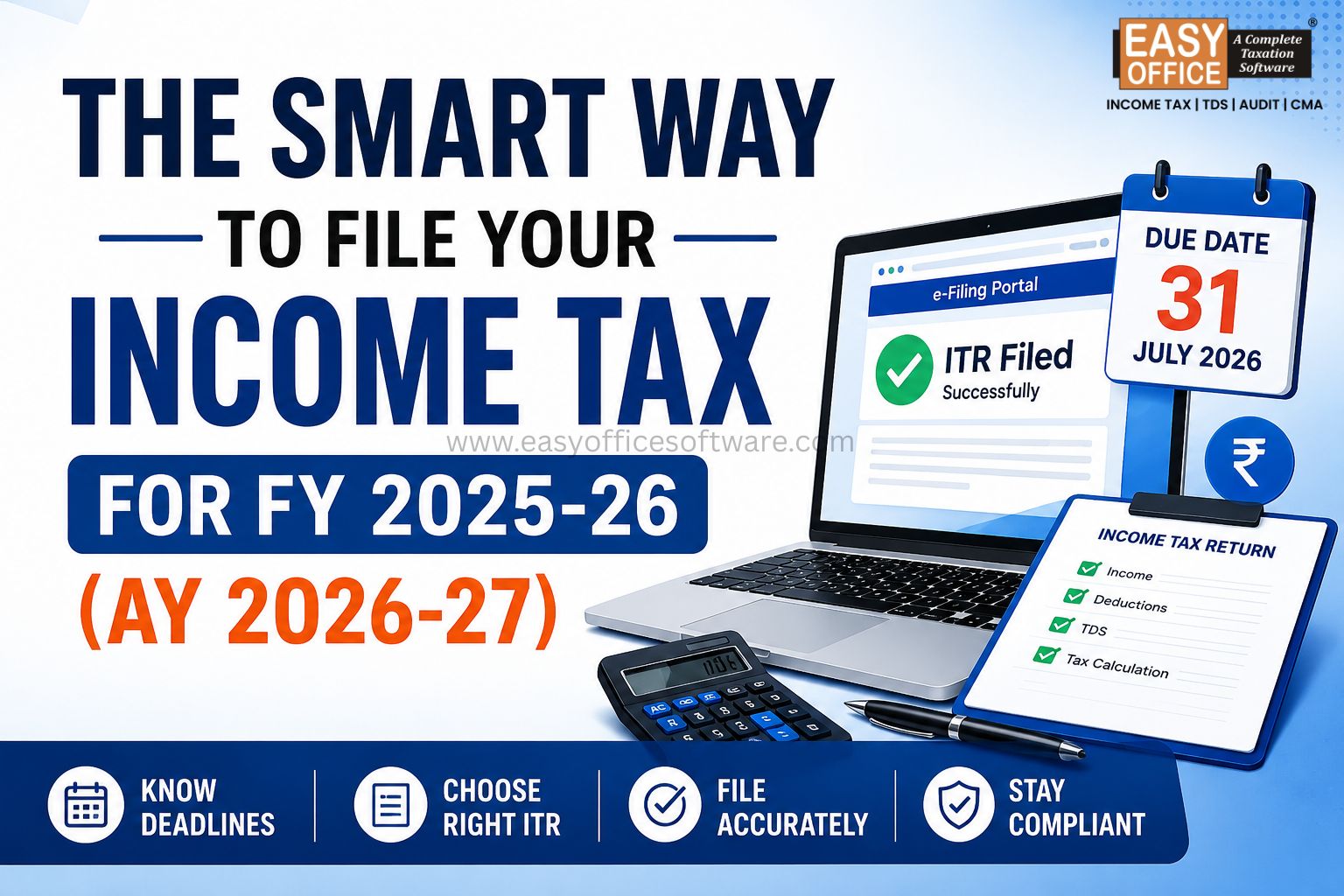
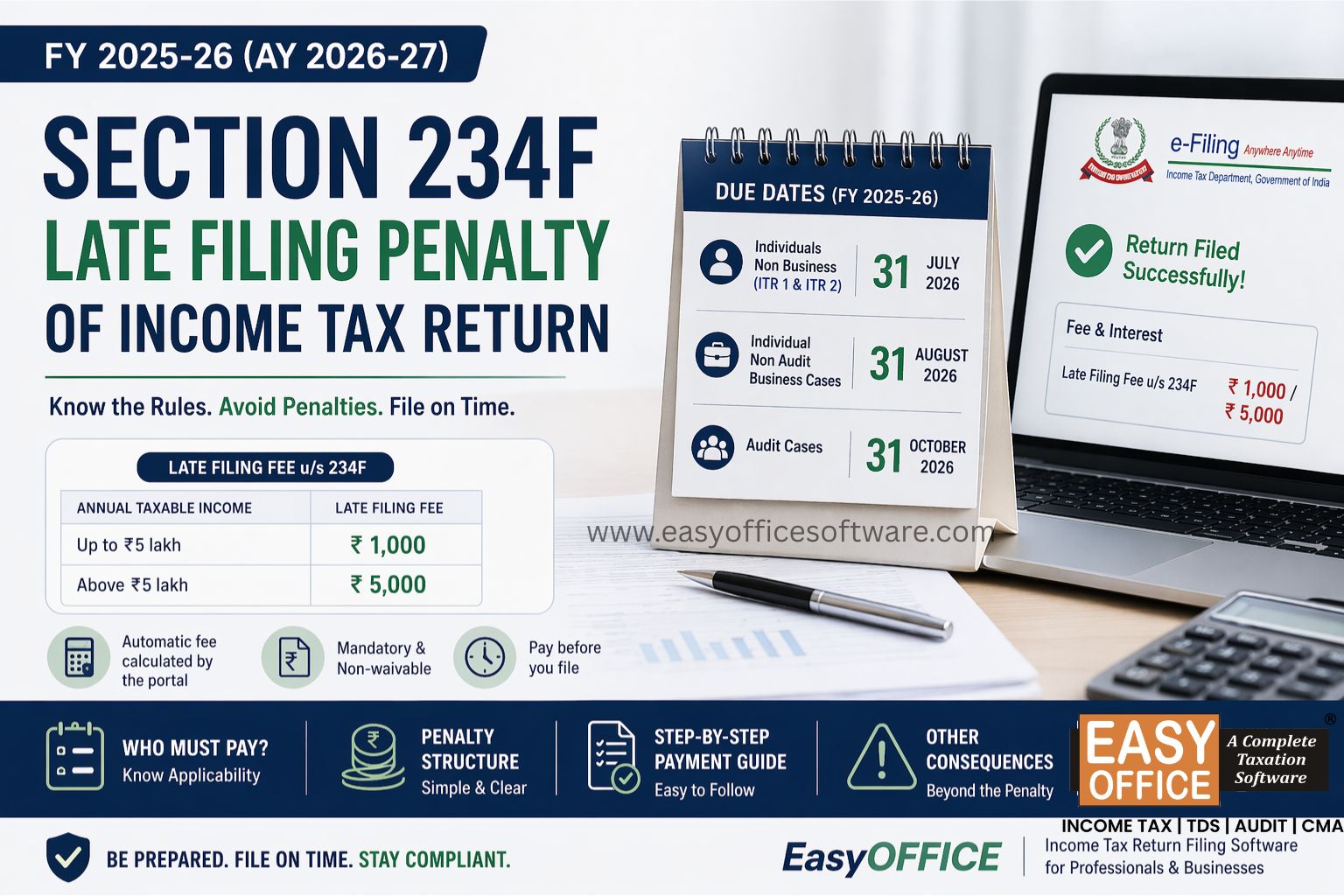
Penalty for Late Filing of Income Tax Return for FY 2025-26 – Section 234F of Income Tax Act 1961
#ITR