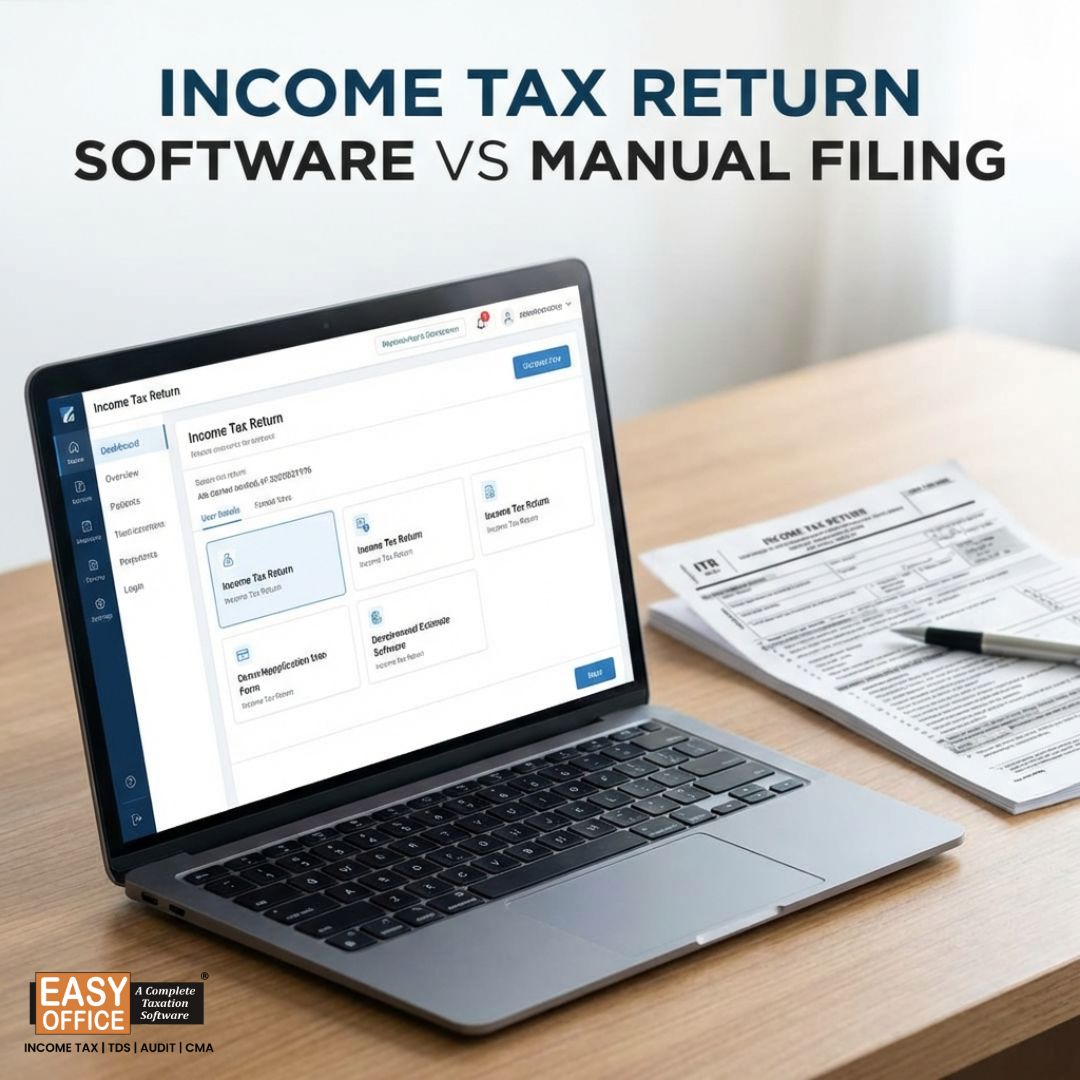
Tax rules in India don't remain unchanged for so long. A budget announcement here, a revised form there and suddenly the process you followed last year no longer works.
For salaried employees, freelancers, and small business owners, keeping track of every change is genuinely hard. Most people have jobs to do and businesses to run, not tax notifications to read.
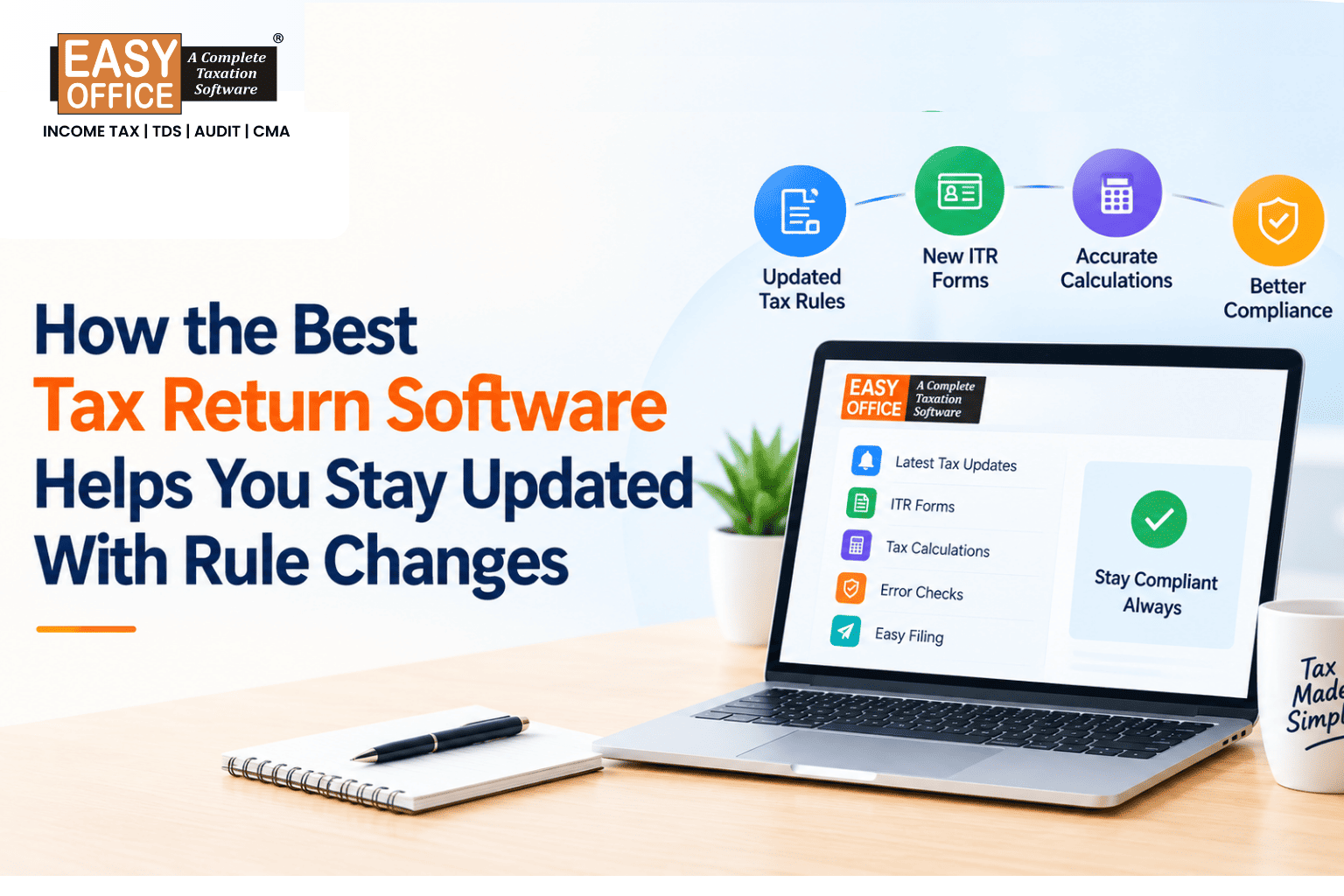
This is where the best tax return software earns its place. Regular software updates can incorporate changes in tax rates, forms, calculations and filing requirements, reducing the need to manually track every change.
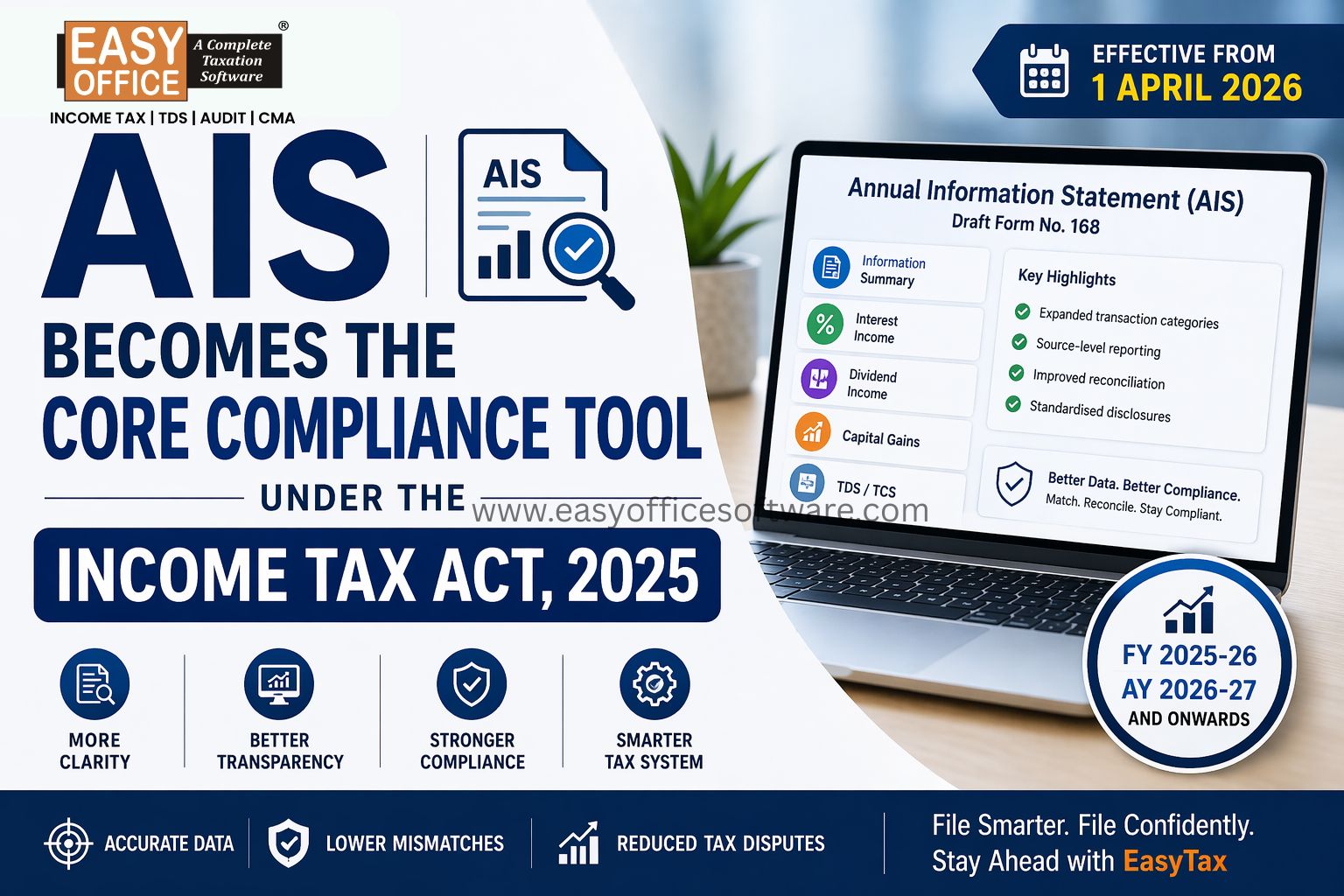
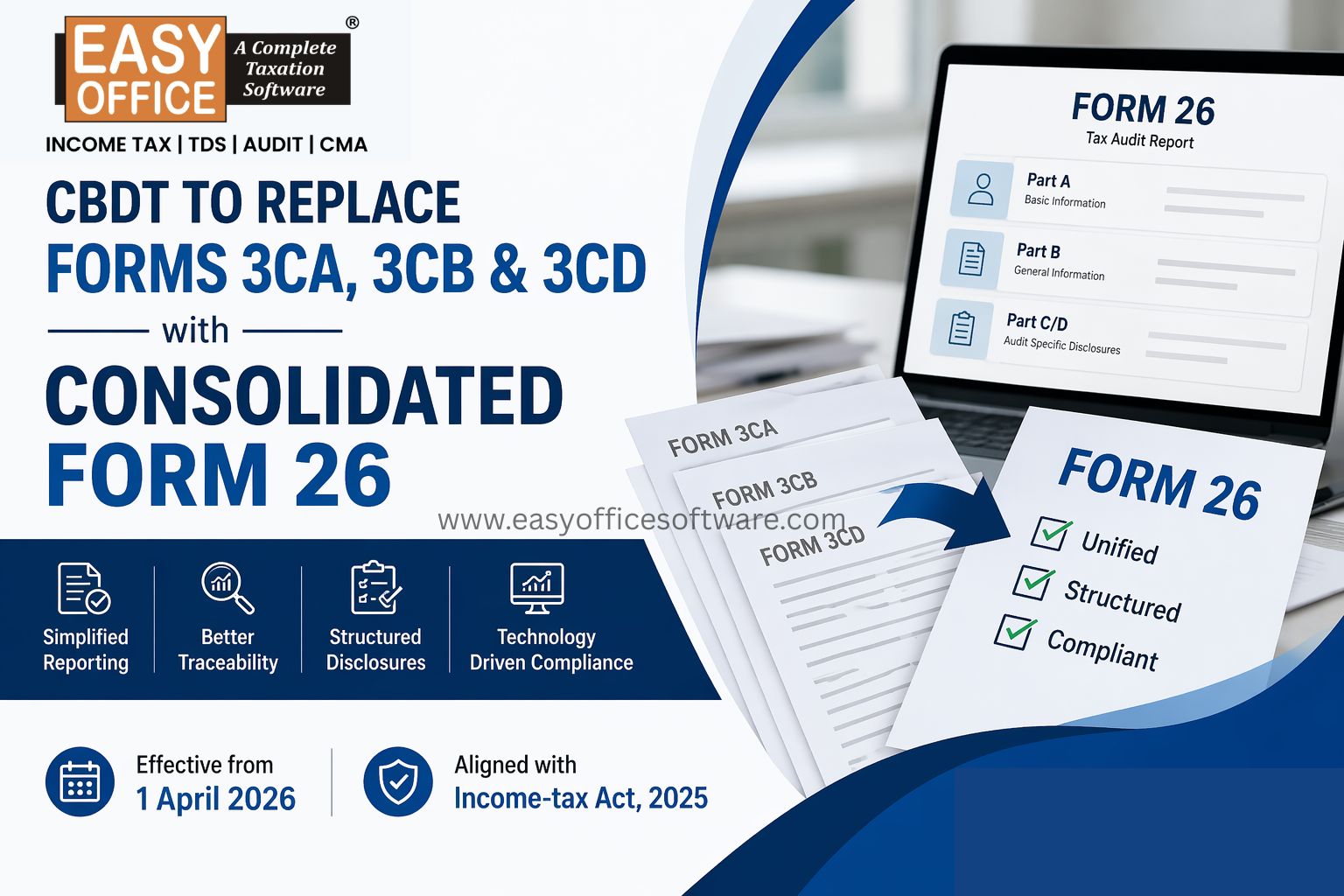
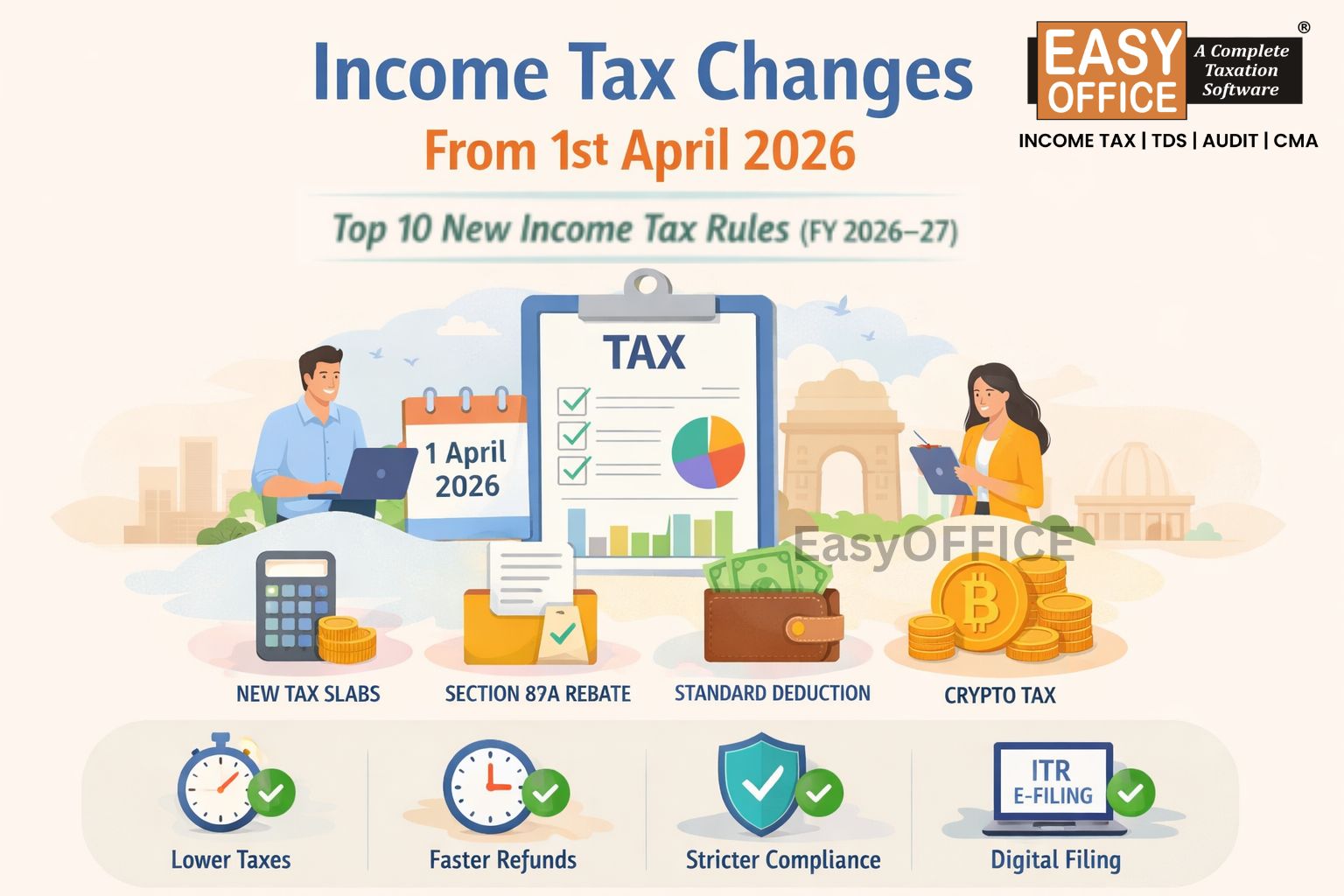
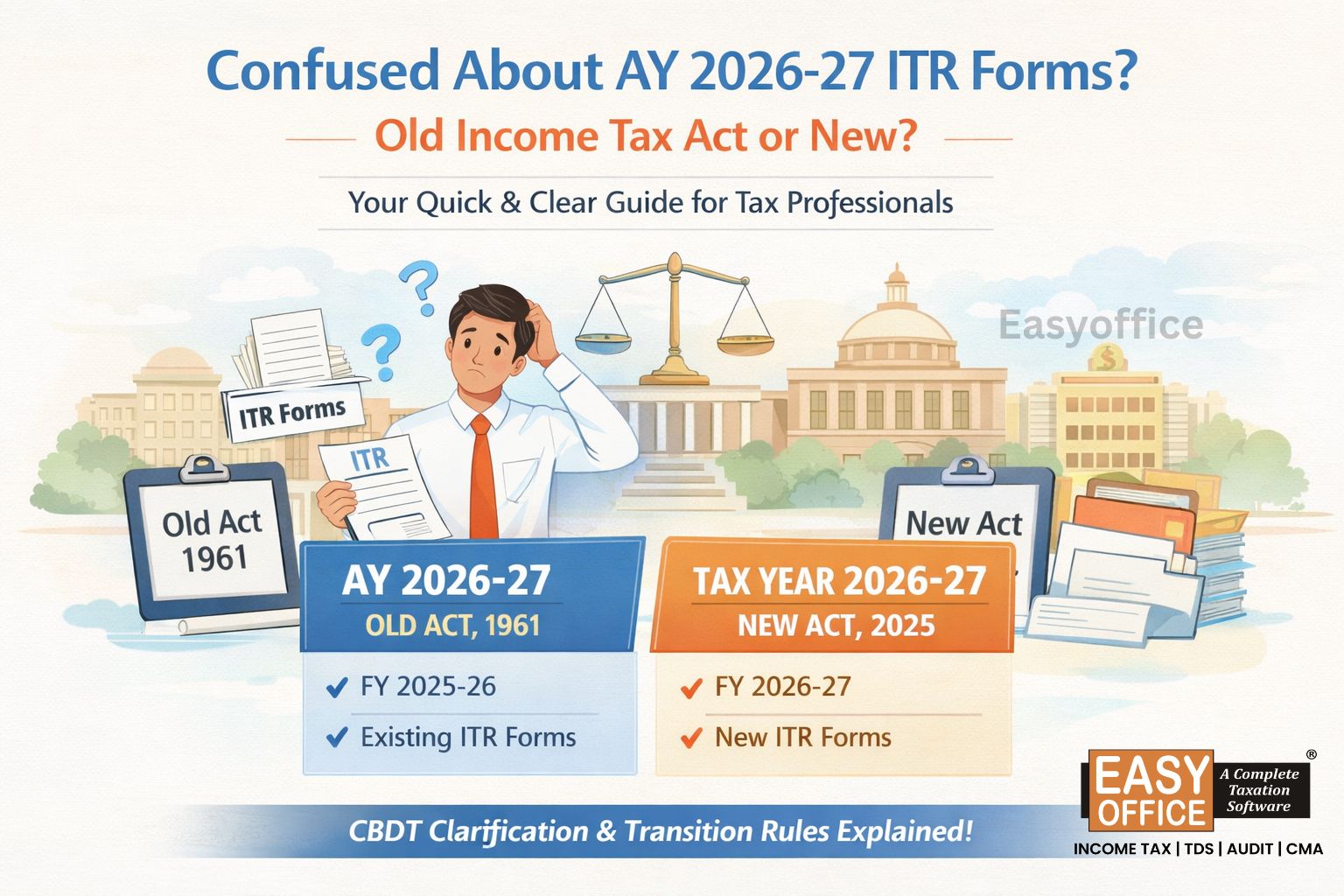
2026 is particularly important for taxpayers in India because the Income-tax Act, 2025 applies to Tax Years beginning from 1 April 2026, while returns for FY 2025-26 continue to be filed for AY 2026-27 under the Income-tax Act, 1961. This transition makes it especially important to use software that clearly supports the applicable tax framework.
Let's look at how this actually works in practice.
Why Tax Rules Keep Changing in India
Every year brings some kind of shift, whether small or significant. Some typical examples of these include:
Union Budget announcement
Changes in Income Tax Act
Revised tax slabs
New deduction limits
ITR forms update
Updated ITR forms and schemas
Digital verification updates
Fail to keep track of any one of these, can increase the risk of incorrect reporting, filing errors, processing issues or the need for later corrections.
How the Best Tax Return Software Keeps You Updated
Regular Updates for Current Tax Rules
Good tax software should be regularly updated to reflect applicable changes in tax rates, rebates, deductions, forms, calculations and filing requirements
This usually covers:
a. Tax slab changes
b. Surcharge and cess rates
c. Deduction limits
d. Capital gains rules
e. TDS reporting formats
f. Filing deadlines
g. Tax regime changes
h. ITR form and schema changes
So when you sit down to file, the calculations are already based on what's current, not what applied two years ago.
A Quick Example
For example, for AY 2026-27, the Section 87A rebate under the new tax regime has increased to ₹60,000 for eligible resident individuals with taxable income up to ₹12 lakh. Tax software updated for the applicable year should incorporate such changes into its calculations.
Built-In Checks That Catch Mistakes Early
Even people who've filed taxes for years can slip up when rules shift.
The software will check for items such as:
a. Incomplete information
b. Invalid PAN numbers
c. Inconsistent income or deduction data
d. Arithmetic discrepancies
e. Errors in TDS entries
f. Incorrect bank details
g. Missing mandatory information
These validations can identify potential issues before filing, helping users correct common errors before submission.
Easy Compliance with New Requirements
Correct ITR Forms, Every Time
Each assessment year can bring a slightly different ITR form. Filing with the wrong one can delay processing or get your return rejected outright.
The best tax return software picks the right ITR form based on the taxpayer's income sources, status and applicable filing conditions, such as:
a. Salary income
b.Business income
c. Capital gains
d. Freelance work
e. Rental income
You don't have to figure this part out yourself.
Comparing Old vs New Tax Regime
With the new tax regime continuing as the default regime for AY 2026-27, taxpayers may need to compare the applicable old and new regime options based on their circumstances.
Good software compares both options using your actual numbers, looking at:
a. Taxable income
b. Deductions
c. Exemptions
d. Applicable tax rates
e. Rebate
f. Final tax liability
You get a clear answer instead of a rough guess.
Less Manual Research, More Accuracy
Plenty of people spend hours reading tax blogs and government circulars every filing season, trying to answer questions like:
Has the deadline moved?
Which deductions apply this year?
Which form fits my income?
With regularly updated software, these answers are already built into the filing process. You review, you confirm, you move on.
Suitable for Different Taxpayer and Professional Needs
Not everyone's tax situation looks the same, and good software accounts for that.
Salaried employees get Form 16 import, salary breakdowns and HRA support.
Freelancers get help with professional income and advance tax.
Small business owners get support for business income and presumptive taxation.
Tax consultants get multi-client management and bulk filing tools.
Saves Real Time During Filing Season
Manual filing usually means spreadsheets, calculators and a lot of back-and-forth.
Software takes over the repetitive parts:
Tax computation
Deduction calculations
TDS reconciliation
Interest calculations
Data checks
By automating repetitive calculations, validations and data preparation, software can reduce the amount of manual work involved in return preparation.
Common Mistakes Without Updated Software
Sticking with old habits can quietly cause problems. Some frequent ones:
Using outdated forms
Claiming old deductions
Ignoring regime changes
Wrong TDS calculations
Missing deadlines
Manual calculation slips
Skipping return verification
Updated software can help reduce the likelihood of these errors, although users still need to review the information and ensure that the return is complete and correct.
What to Look for While Choosing Software
When making comparisons between platforms, look for:
1. Regular Software Updates
2. Automated calculation
3. AIS/TIS and tax-data import support
4. Direct Form 26AS collect
5. Direct E-filing on portal
6. Excellent data protection
7. User-friendly dashboard
8. Multi-user capability
9. Error checking and validation
10. Reliable customer support
Conclusion
India's tax rules will keep changing; that part isn't going away. What makes a real difference is having software that keeps up with those changes for you.
That's exactly why the best tax return software has become such a practical choice for salaried employees, freelancers, and business owners alike.
If you'd rather file with confidence than second-guess every rule change, Easy Office Software is built to keep you current, accurate, and stress-free, filing season after filing season.
Frequently Asked Questions
1. Why should I use the best tax return software rather than filing manually?
The best tax return software will be regularly updated with the latest tax regulations, verify your inputs for accuracy, and file quicker than manual processing.
2. Does tax software automatically update itself after the budget announcement?
Yes, the top tax-return software automatically release updates when applicable tax rules, forms, rates or filing requirements change. Users should ensure that they are working with the latest version before preparing a return.
3. Can this kind of software be useful for both salaried employees and entrepreneurs?
Yes, the program is designed to deal with salaries, freelance incomes, businesses and all that lies between.
4. Is it worth using software if tax rules change every year?
Definitely. That's actually the main reason to use it, so you're not left tracking every change on your own.
5. How does tax software help with accuracy?
The software runs your numbers and checks them for you according to the current laws and regulations.
6. What is the difference between AY 2026-27 and Tax Year 2026-27?
AY 2026-27 covers income earned in FY 2025-26 under the Income-tax Act, 1961. Tax Year 2026-27 covers income earned in FY 2026-27 under the Income-tax Act, 2025.
Tax Return Software, Income Tax Software, Tax Compliance, Tax Filing Software, CA Software, Tax Automation, Financial Software, Tax Technology
Related Blogs

All in one Software
- Income Tax Software
- TDS & TCS Software
- Audit e-filing Software
- CMA Data Software






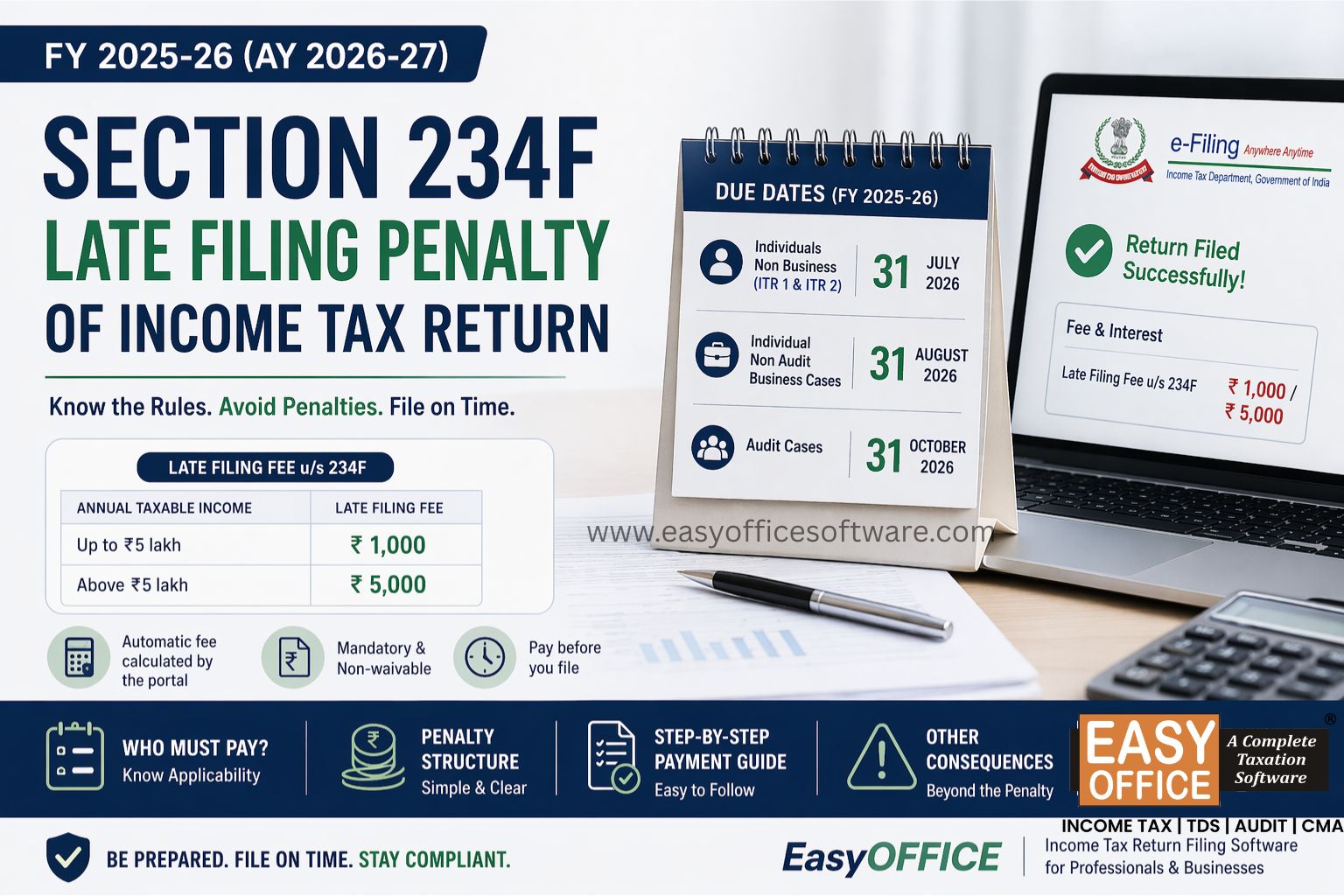
Penalty for Late Filing of Income Tax Return for FY 2025-26 – Section 234F of Income Tax Act 1961
#ITR