Finding a mistake in your return after filing is a stressful feeling. It gets worse when you realise you paid more tax than you needed to, and you start wondering if a quick correction will get that money back.
If you use income tax return filing software, it helps to know the difference between a revised return and an updated return before you change anything. Mixing them up can cost you time and money.
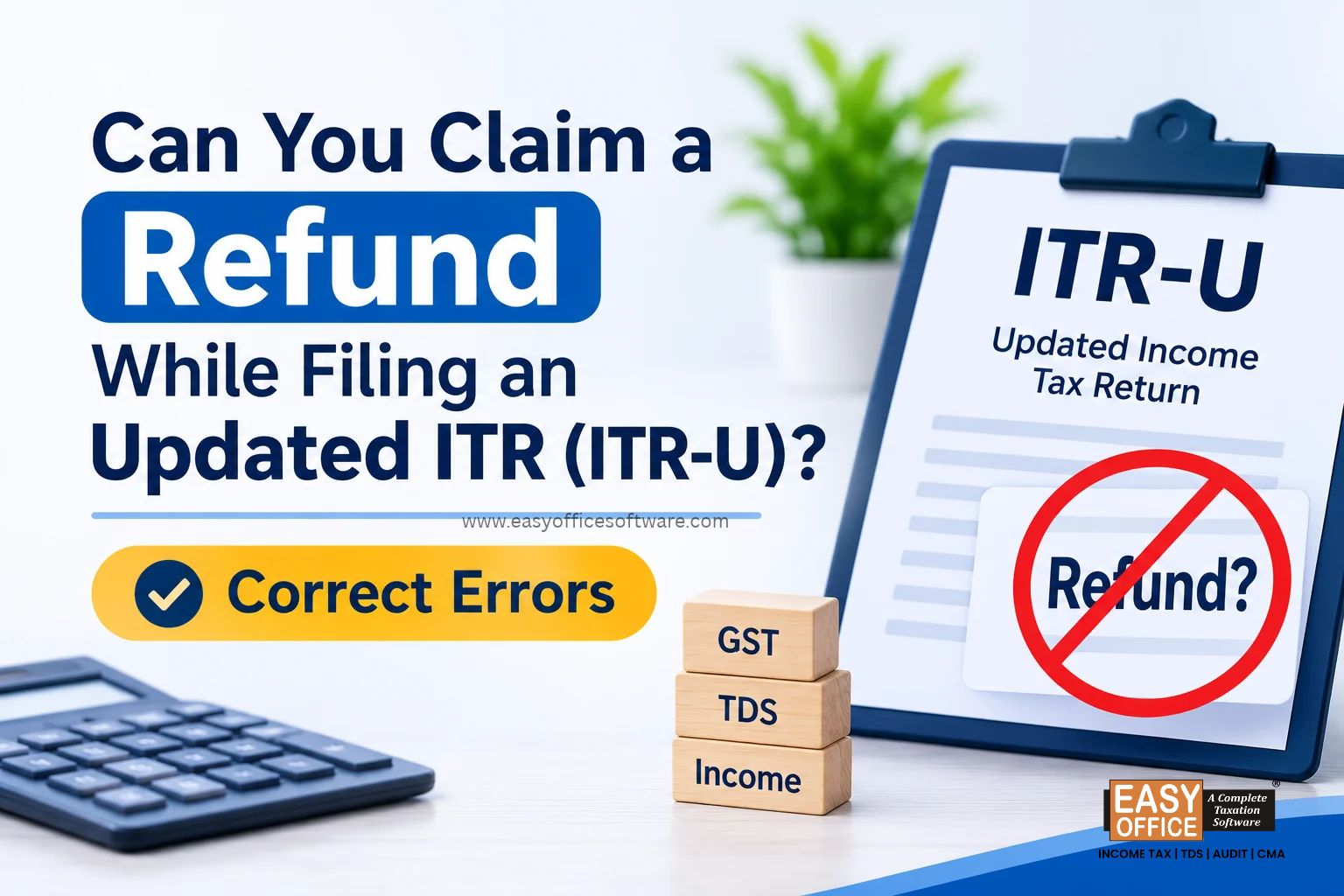
An updated return, or ITR-U, allows you fix certain errors or report income previously omitted or inaccurately reported. But it has one big catch: you cannot claim a new refund or increase an existing one through it.
Let’s look at how the rules work, and can you claim a refund while filing an updated ITR or not?
What Is an Updated Income Tax Return (ITR-U)?
An ITR-U is a voluntary way to correct your tax record. You use it to report income you left out earlier, and you pay the extra tax that comes with it.
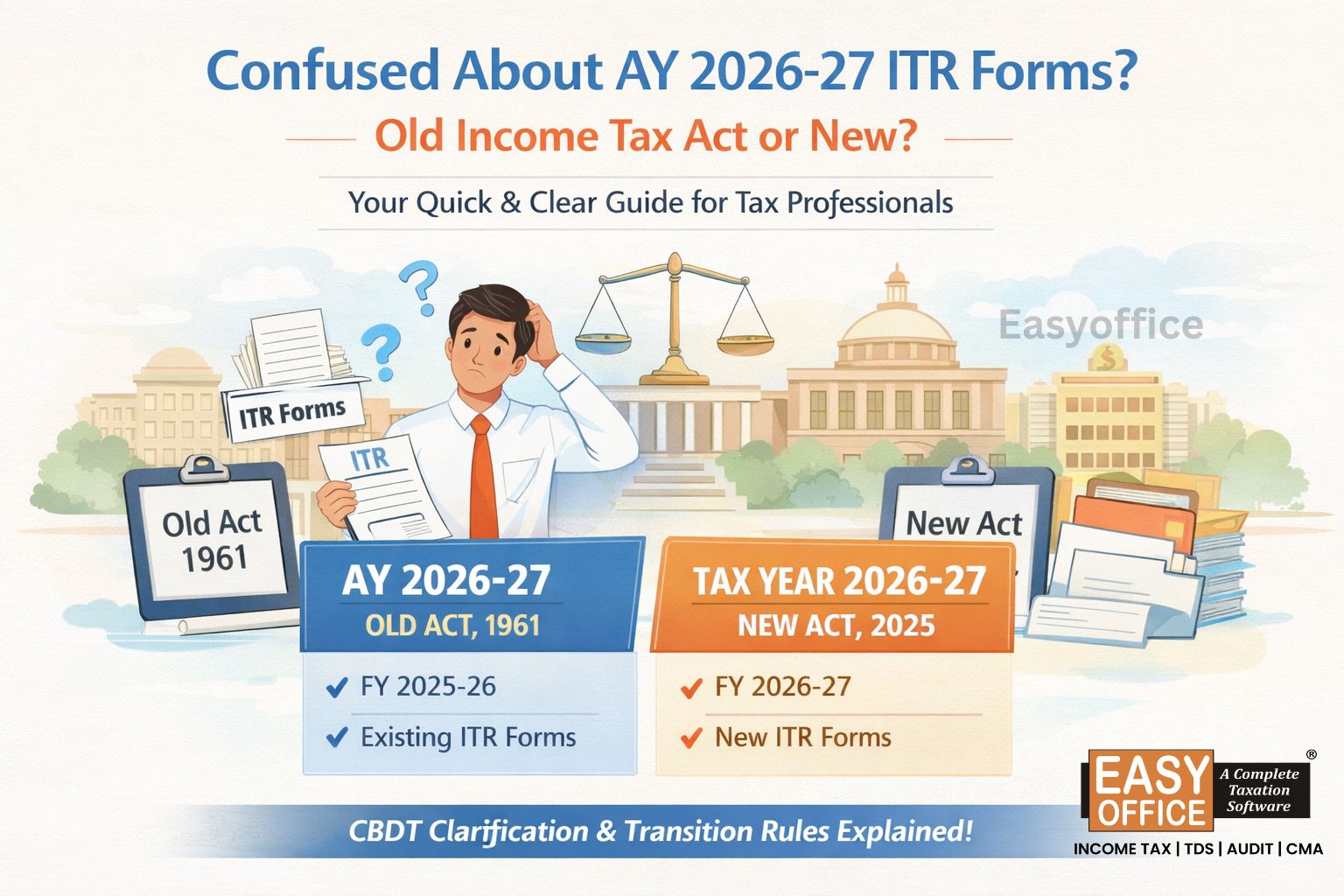
Under Section 139(8A) of the Income-tax Act, 1961, you can file one even if you never filed an original, belated or revised return for that year. You still need to meet the eligibility conditions.
From 1 April 2026, the Income-tax Act, 2025 applies to tax years starting on or after 01/04/2026. The matching provision there is Section 263(6).
People usually file an updated return when they:
1. Forgot savings interest
2. Missed rental income
3. Skipped freelance earnings
4. Left out capital gains
5. Misreported taxable income
Put simply, ITR-U is for owning up to under-reported income. It is not for getting money back.
Can You Claim a Refund Through an Updated ITR?
No. An updated return cannot create a new refund or raise one you already claimed.
According to law, the updated return should not:
1. Provide a new refund
2. Increase an already filed refund
3. Decrease tax liability
For example, consider that you have paid a tax of ₹30,000, but after filing returns, you realize that there was a ₹20,000 deduction which you missed. If claiming the missed deduction reduces your tax liability or increases your refund, ITR-U cannot be used for that purpose.
Or say your original return showed a ₹5,000 refund. You cannot file an updated return to push it up to ₹12,000.
The idea is to stop people from lowering their tax liablty after the regular deadlines have passed.
What Should You Do If You Have Paid Excess Tax?
Before you think about ITR-U at all, look at the options that actually allow refunds. There are three main ones.
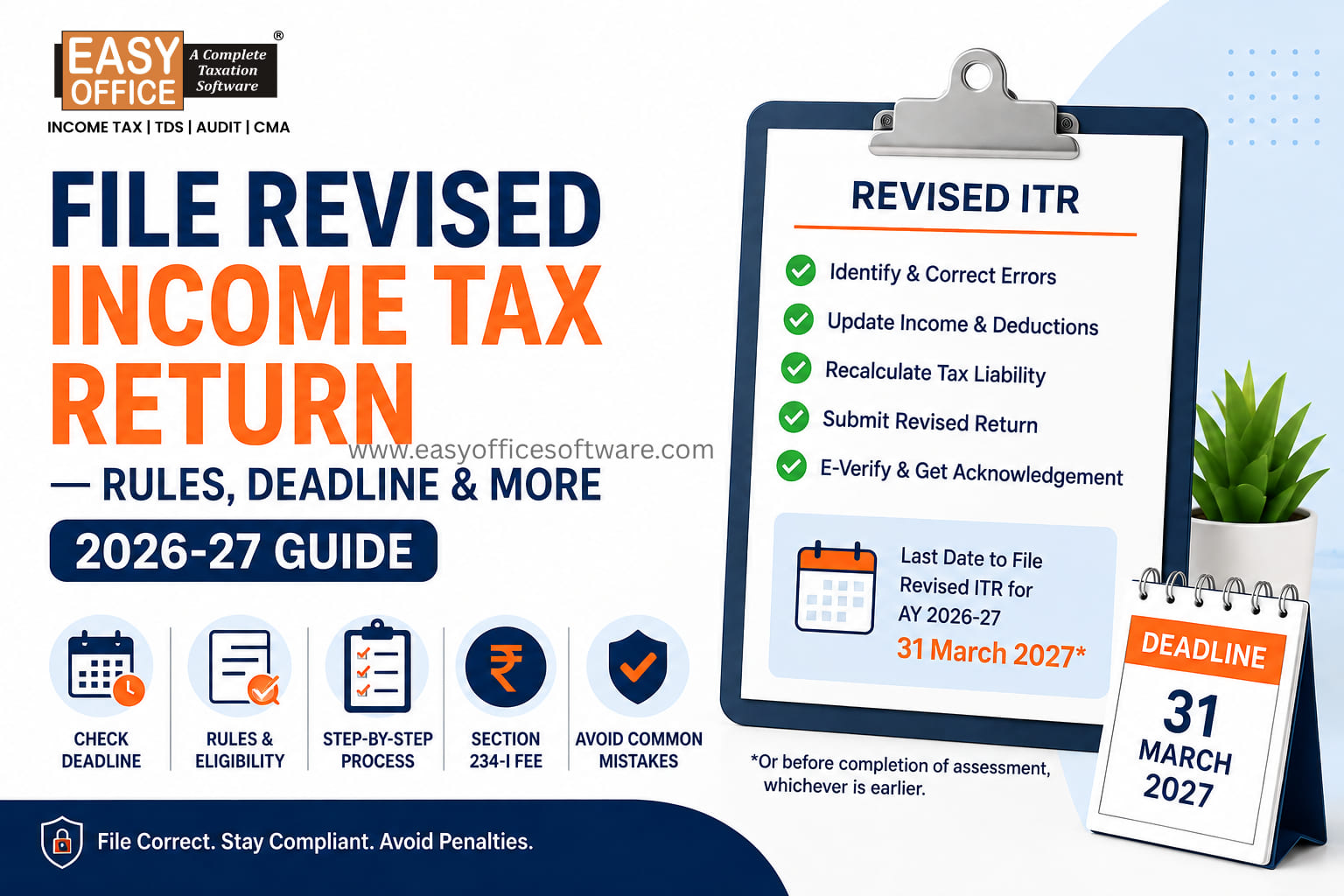
1. File a Revised ITR Within the Deadline
A revised return is usually the best fix when you find an error in the original. Section 139(5) refers to returns for the old Act, and Section 263(5) relates to Tax Year 2026-27 onwards.
This will enable you to:
Apply for deductions not claimed
Rectify income amounts
Apply for TDS credits
Correct refund errors
Check the applicable revised-return deadline before you do this, and also ensure that your assessment is not completed.
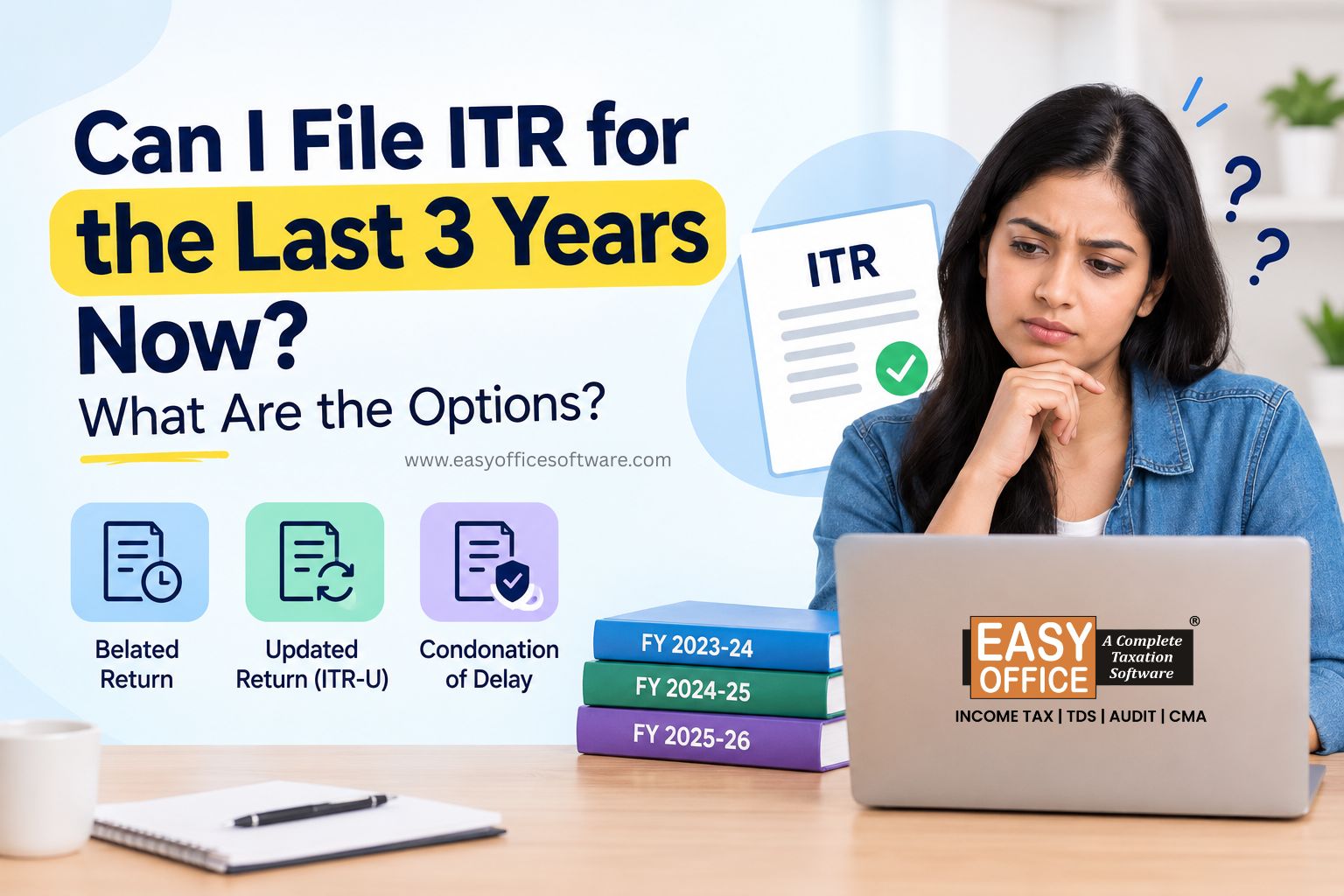
2. Apply for Condonation of Delay
What if the return revision window has expired? For genuine circumstances, one may request the concerned department to accept a late claim as per Section 119(2)(b).
This provision allows the competent income-tax authority to consider certain delayed refund claims arising from genuine hardship, subject to prescribed conditions and CBDT guidelines.
For Example: a salaried taxpayer may discover that additional TDS was deducted but was not claimed in the return. Depending on the circumstances, the taxpayer may request condonation and submit supporting documents.
However, there is no guarantee of acceptance as officers consider various factors such as your cause, period, etc. The application is examined by the competent authority based on the applicable conditions, genuine hardship and supporting evidence.
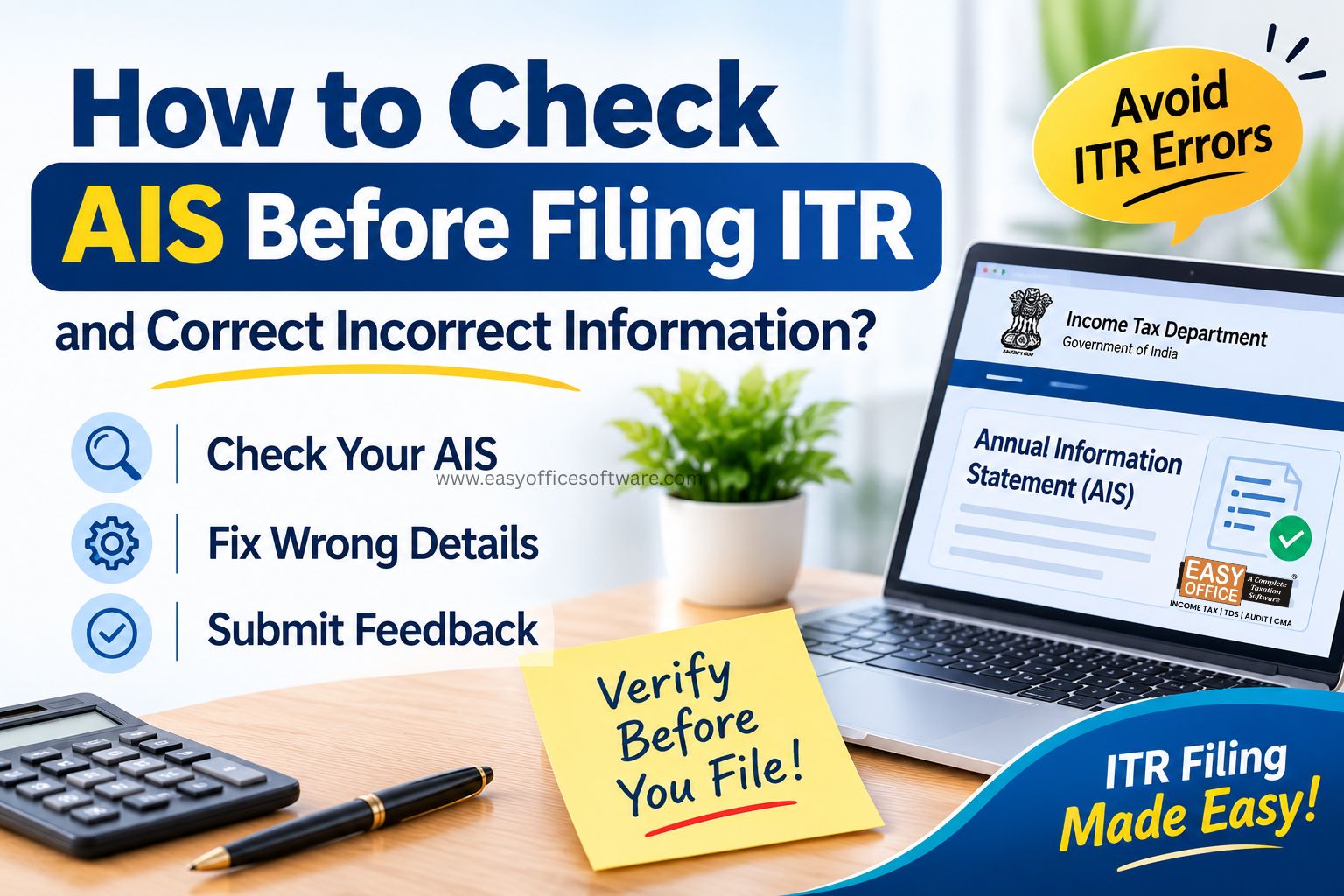
3. Check Form 26AS and AIS
Before you apply for anything, verify your records. Many “missing refund” problems turn out to be simple mismatches.
Look at:
1. Form 26AS for tax credits
2. AIS for reported income
3. TIS for the summary view
4. Form 16 / Form 16A to verify salary and other TDS details.
5. Bank statements to check interest and other receipts.
Reviewing these records can help identify missing tax credits, duplicate entries and discrepancies in reported income before deciding how to correct the return.
When Can You File an Updated ITR in India?
The Finance Act 2025 stretched the ITR-U window from 24 months to 48 months from the end of the relevant assessment year. The new Act’s Section 263(6) also gives 48 months from the end of the financial year succeeding the relevant Tax Year.
A longer window does not mean anyone can file anytime. Some situations block it:
1. Fresh or higher refunds
2. Lower tax liability
3. Search or survey cases
4. Reassessment proceedings (with limited exceptions)
5. Existing ITR-U for that year
There is a price for filing late. Additional tax is charged at 25%, 50%, 60% or 70% of the tax and interest, depending on how late you file. Work out the full amount before you hit submit.
| When ITR-U is filed | Additional tax |
| Within the first 12-month period | 25% |
| After 12 months and within 24 months | 50% |
| After 24 months and within 36 months | 60% |
| After 36 months and within 48 months | 70% |
These percentages are calculated on the prescribed aggregate of tax and interest, not on the income disclosed.
How Can Income Tax Return Filing Software Help?
Updated returns need careful checking. You have to compare old and new figures and calculate extra tax properly. Good software takes some of that load off.
When choosing software, look for features such as:
1. Income and deduction verification
2. Tax and interest calculation
3. AIS and Form 26AS review
4. Comparison of previously filed and updated return details
5. Support for applicable ITR forms and updated-return preparation
6. Document storage
It can organise Form 16, bank statements, AIS data and investment proofs in one place. That makes spotting errors much easier.
But software cannot override the law. Even if the numbers show you are owed money, ITR-U will not let you claim it. Always confirm your assessment year and eligibility yourself.
Common Mistakes to Avoid While Filing ITR-U
A few slips come up again and again:
1. Chasing a refund: ITR-U cannot create one.
2. Skipping additional tax: Leaving out extra tax and interest makes the filing wrong.
3. Ignoring AIS: Mismatched income invites questions.
4. Wrong year: Always match the correct assessment year.
5. No eligibility check: Notices and proceedings can block you.
6. Assuming every error can be corrected through ITR-U: Some errors may require a revised return, rectification request or condonation application, depending on the circumstances.
A few minutes of review before submitting can save weeks of back and forth.
Frequently Asked Questions
1. Can I claim a refund by filing ITR-U?
No, An updated return does not help in getting a new refund or raising the existing refund. Other options like revised return or condonation may be considered.
2. Am I eligible for filing ITR-U if I did not file the original ITR?
Yes, an eligible taxpayers can file updated return regardless of whether they filed an original ITR, belated or revised one.
3. How long do I have to file an updated ITR?
Generally, up to 48 months. The way it is counted differs slightly between the old and new Acts.
4. Do I pay extra tax on an updated return?
Yes. You pay the tax due, interest and additional tax. Additional tax is charged at 25%, 50%, 60% or 70% of the tax and interest, depending on how late you file.
5. Can I fix a missed deduction through ITR-U?
Not if it lowers your tax or creates a refund. Use a revised return within the deadline, or ask for condonation if that has passed.
6. Can I file ITR-U more than once for the same financial or tax year?
Generally, only one updated return can be filed for the relevant assessment year or tax year. Therefore, review all omitted income and relevant details carefully before submitting ITR-U.
Conclusion
An updated return is the right tool for reporting missed income. It is the wrong tool for getting extra money back.
Before filing anything, check your earlier return, Form 26AS and AIS. If you overpaid, go for a revised return first, and keep condonation as a backup.
A reliable ITR software can make this process less stressful by keeping your records tidy. Explore the filing tools at EasyOfficeSoftware, pick the right route and submit your return with confidence.
Updated ITR, ITR-U, Income Tax Refund, ITR Filing
Related Blogs

All in one Software
- Income Tax Software
- TDS & TCS Software
- Audit e-filing Software
- CMA Data Software






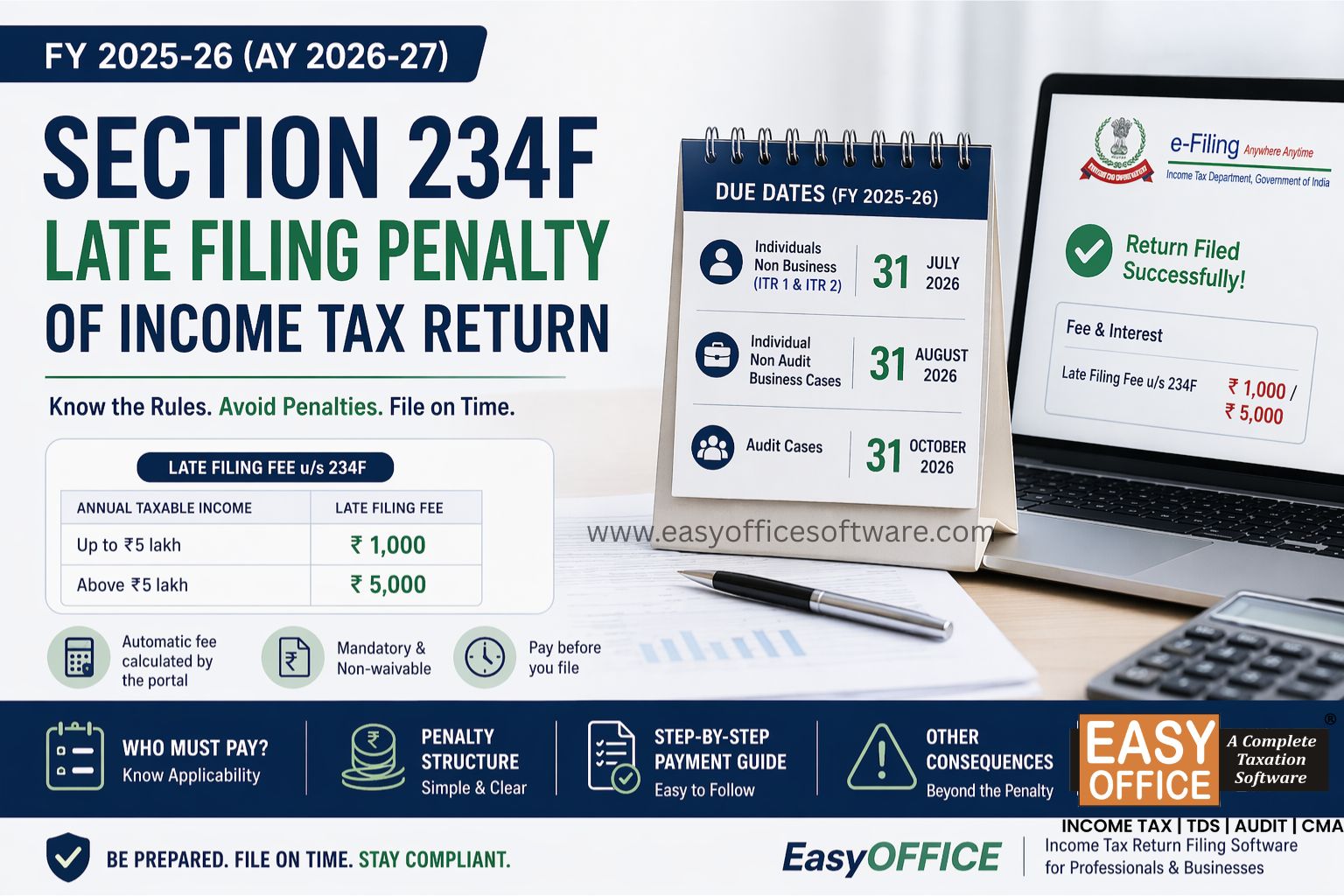
Penalty for Late Filing of Income Tax Return for FY 2025-26 – Section 234F of Income Tax Act 1961
#ITR